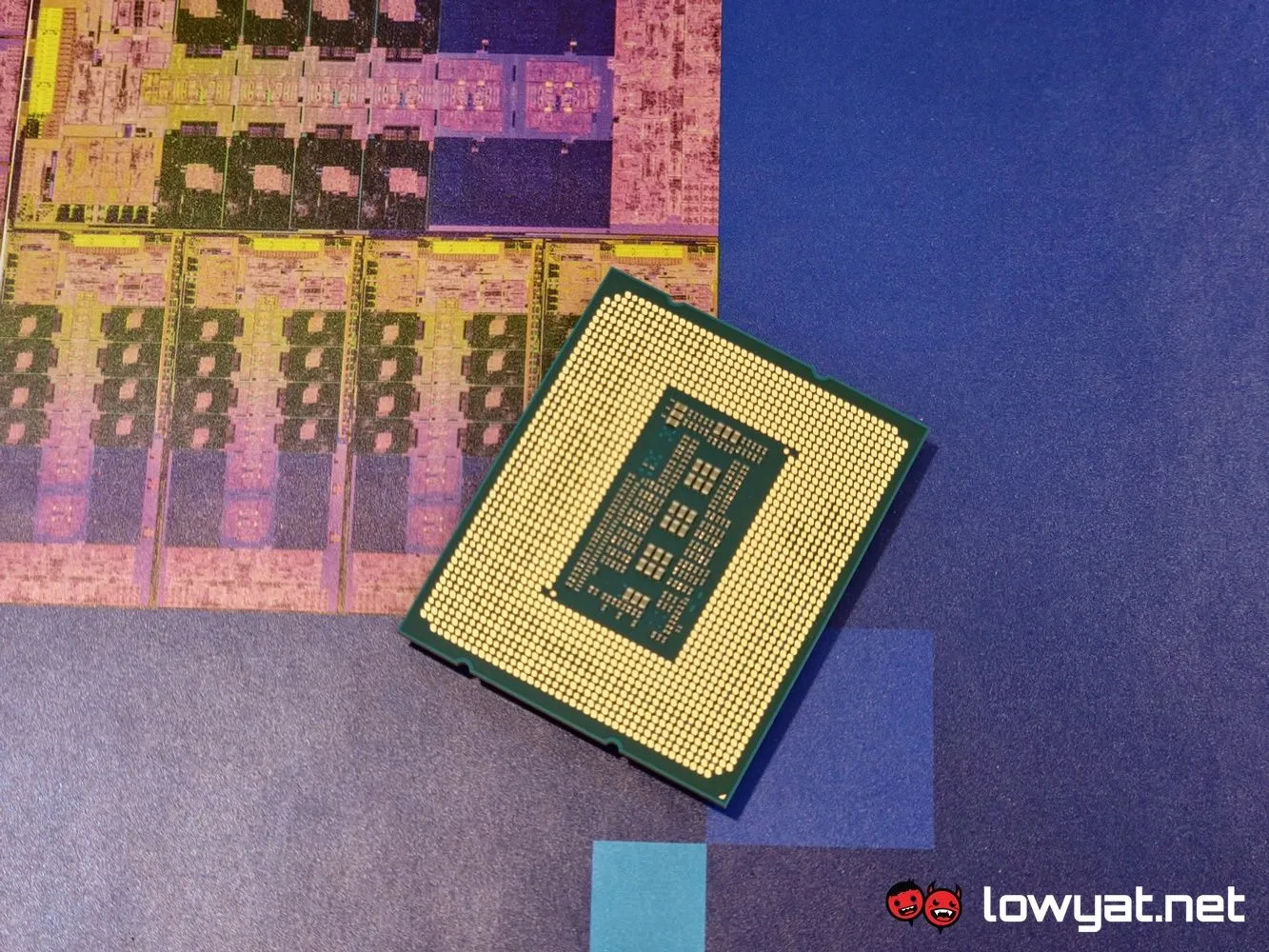
In addition to quietly raising the SRP for its Core Ultra 200S Plus Series, Intel has reportedly restarted production of its older Raptor Lake desktop CPU lineup. The list includes both its 13th and 14th Gen CPUs.
The news stems from the China-based Channel Gate forums, with the original post (removed now) that the blue chipmaker’s factories in the country have restarted production of the 13th and 14th Gen Core CPUs, along with a broader increase in supply for 10th, 11th, and 12th Gen Core series CPUs. Those new CPUs, by the way, will be primarily for the Chinese DIY PC market, and not so much for the global market.
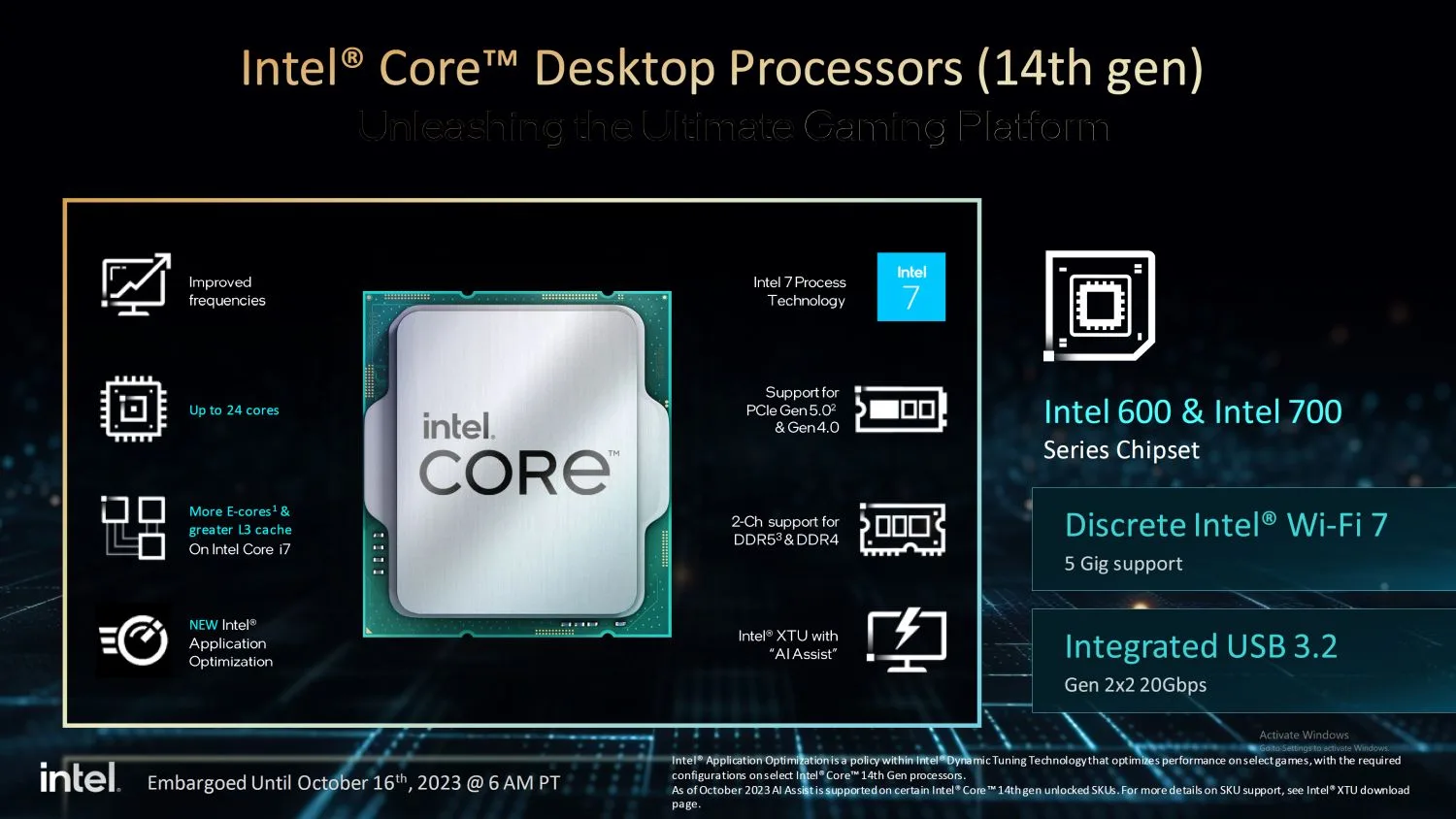
We’re guessing that you’re wondering why Intel is reportedly doing this, but you likely already know the answer to this: soaring memory and storage prices. And in relation to that point, both the Intel 13th and 14th Gen Core Series processors still have motherboards that are made to support the older DDR4 memory modules. In China, many DIY retailers were recommending that companies focus on said DDR4 platforms, rather than DDR5.
To be clear, DDR5 platforms aren’t being eliminated from their plans entirely. Compared to the DDR4 platforms, the report suggests that DDR5 platforms be targeted toward online retail, internet cafes, and buyers with “fixed platform” requirements. For further context, both the 600 and 700 Series platforms were compatible with each other, as they both used the same LGA1700 socket.

It is worth noting that Intel didn’t specify which SKUs it intends to revive, but hopefully, it’s not their Core i9-13900K or 14900K CPUs, given the drama that followed these models just a couple of years back. That being said, and assuming that the chipmaker has learned its lesson and made the adjustment to ensure that the component-killing voltage spikes do not occur with the revitalised batch, it shouldn’t be a problem.
Also worth noting is that Intel is also planning on launching Raptor Lake Next in 2027, further indicating that the architecture is far from dead, and a sign that the chipmaker intends on keeping the LGA1700 chipset alive for a little while longer, also for reasons related to the ongoing memory and storage chips crisis.
(Source: Channel Gate via Videocardz)