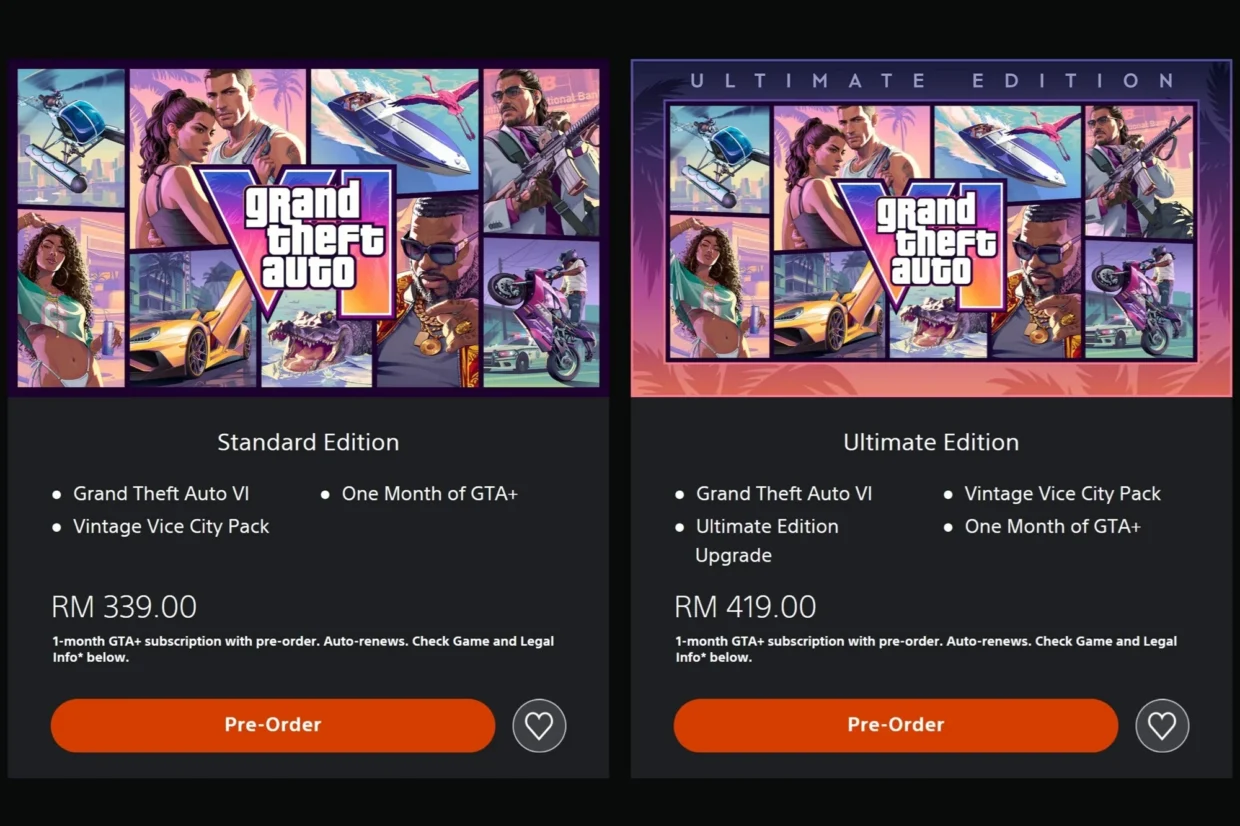
As the world experienced mixed reactions when Rockstar Games opened Grand Theft Auto VI (GTA 6) for pre-order and revealed its prices, its denizens did not know that something that would have a greater impact in the world of videogames was on the way. We got just that this week, with PlayStation announcing that game discs will be dead by 2028. Both were two related cans of worms opening one after another. But what if I told you that the one holding the proverbial can opener in both cases was Nintendo?
Of course, no game is as big as GTA 6, and probably none will ever be until GTA 7 or Red Dead Redemption 3 rolls around. So naturally it’s the one under every magnifying glass right now, with its US$80 / RM339 starting price, and US$100 / RM419 for the Ultimate Edition that’s just the uncarved-up version. With all that attention on the game, you’d be forgiven for thinking that it’s the game that’s opening the floodgates for all other publishers to price their games at that level.
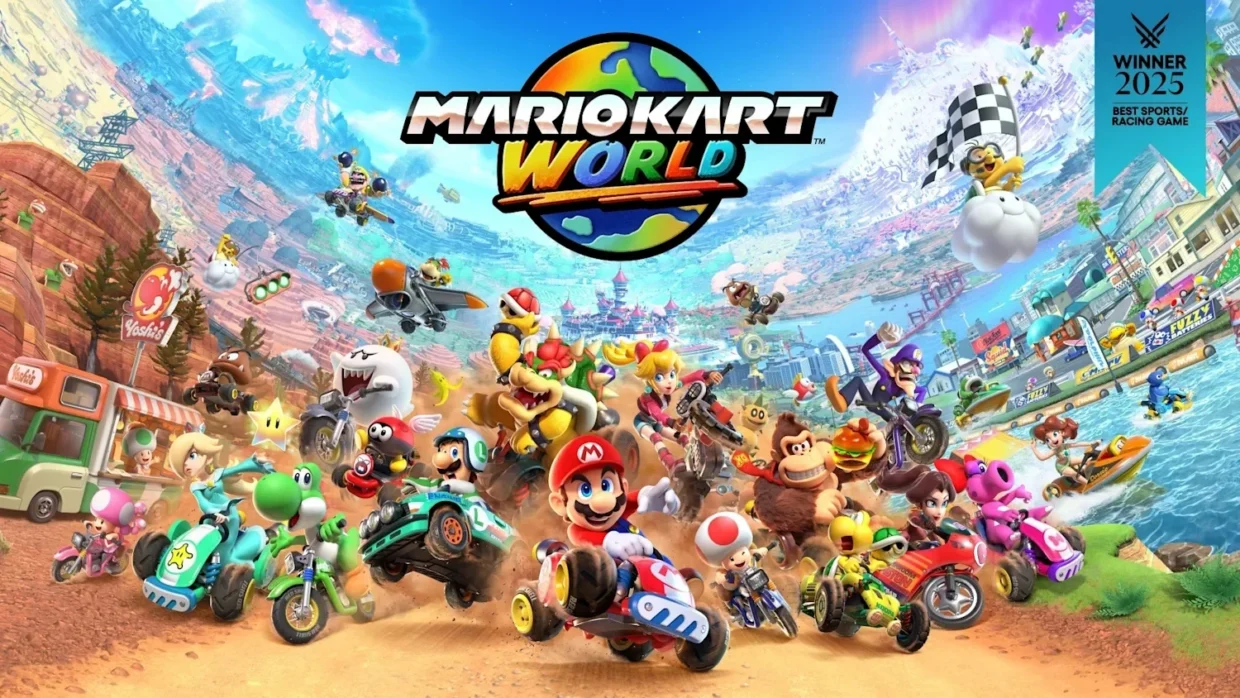
But let’s not forget that this is not the first game to have pushed the pricing envelope. That crown, or dishonour if you prefer, belongs to Mario Kart World. As one of the launch titles for the Nintendo Switch 2, it was the one that broke the relatively new US$70 price ceiling for videogames. Of course, we’re talking strictly about standard editions, and not taking into consideration other things like DLC, deluxe or ultimate editions, and intergenerational upgrades.
Despite Mario Kart world opening the pricing floodgates for the videogames industry, no other publisher has volunteered to be the one to double down on said price. It’s a pleasant surprise, considering the state of the world we’re currently in. But then, along comes Rockstar Games and GTA 6, which you can argue is the game to either do the doubling down, or to close the floodgates instead.
The former perspective is straightforward, obvious even. What else is there to say? It’s the second game to have a standard edition costing US$80. But it’s more interesting to see the opposite possibility. Because now, any publisher that wants to charge that kind of money for their game, will have said game getting compared to GTA 6. Will it be as polished? Will it have that kind of breadth and depth in gameplay? Replayability? Sheer amount of content in a single playthrough? Or to sum it all up, value for money?
These are all benchmarks that Rockstar Games would have set with its US$80 game. And any other publisher who wants to charge the same or more for their game will have to confidently be able to say that their own game is equal, if not better, than GTA 6 in all of those aspects. And that’s a tall order even for games with an equivalent development cycle. Any publisher that does try is just asking for scrutiny. Besides Nintendo anyway, since the company does what it wants, regardless of market trends or social norms.

With that in mind, one could say that this is Rockstar Games being the gatekeeper for that price point and beyond. Of course, there’s still the whole issue about content being carved out of the standard edition of the game, just so that the publisher can sell the game at a cheaper price. But that’s a discussion for another day.
But what about PlayStation’s digital only future? And why am I blaming this on Nintendo? The answer is Game-Key Cards. This one might be a bit of a stretch, but only very slightly when you think about it. Because ultimately, what are these things? A digital download code in physical form. Sure, someone else can still use it after you already have, but since there’s no game data in there, it’s about as much a physical copy as a download code in a box. And we all know what the reception to that is like.
Not that PlayStation would care at this point, I don’t think. As I mentioned earlier, Nintendo does what it wants, so the Sony videogames subsidiary only really has Microsoft’s Xbox as competition. And for the past two console generations, PlayStation has been beyond the reach of Xbox, which may be why the former thinks that it can take a reputational hit and still stay ahead of the game. Hence its killing of game discs once 2028 rolls around and going all in on digital-only.
Which brings me back to the question – will a code in a box trigger gamers’ inequity aversion to the point where we’d rather just go for the normal digital downloads? Or simply not engage at all? Or is it still physical enough for collectors? I’m inclined to believe that that last option won’t fly anymore, but time will tell.
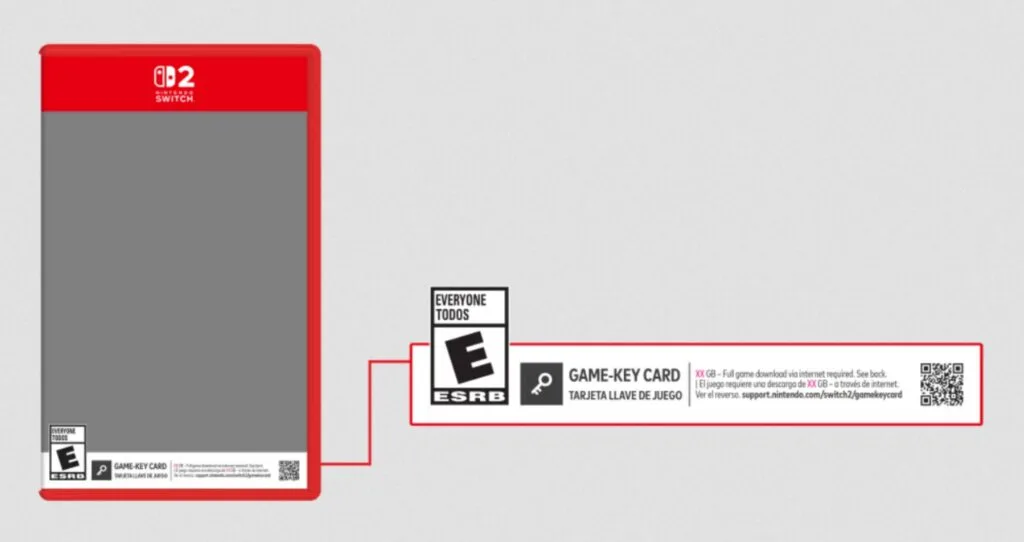
It’s also ironic that, as the blue gaming brand announces that it will be fully digital in a couple of years time, it’s the green one that’s reportedly working on its own version of the Game-Key Card. It’s arguably better too, as once the connection has been made between the disc and console, the disc is no longer needed until it gets tied to another console. Adding on to the irony is that, to some extent at least, that the idea of Game-Key Cards would look like a good idea when compared to something else.
And on that bombshell…