
Earlier last week, Samsung Electronics’ chip division in South Korea narrowly avoided a strike when the company and striking workers came to an agreement. The electronics giant agreed that it would pay out bonuses totalling US$26.6 billion (~RM104.7 billion) towards all workers, which works out to US$339,000 (~RM1.34 million) on average per worker.
That’s a lot of money, especially for floor staff in Samsung’s coveted semiconductor division, and they know it. To that end, South Korean news agencies reported that luxury car showrooms saw a spike in visitors, the majority of visitors being workers from the chip division, all of whom wanted to spend their small fortune.
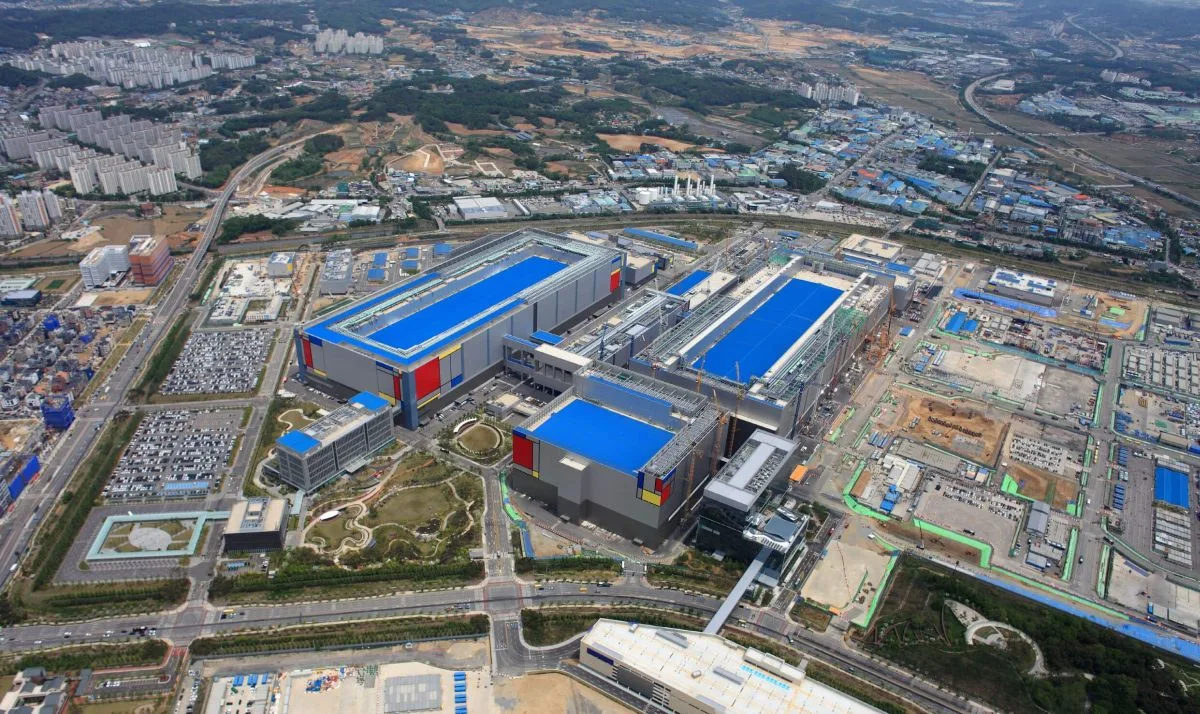
For Samsung, that amounts to around 10.5% of its annual profit, to be distributed in the form of stock options, plus an additional 1.5% in cash bonuses. That’s lower than the South Korean labour union’s request for 15%, but slightly higher than the Korean giant’s lower 10% offer. On that note, staff will be allowed to sell a third of their stocks immediately, while the remaining shares can only be sold gradually, over the next two years.
This bonus program will reportedly continue for 10 years, but only on the promise that certain criteria are met.
How Did This Happen?
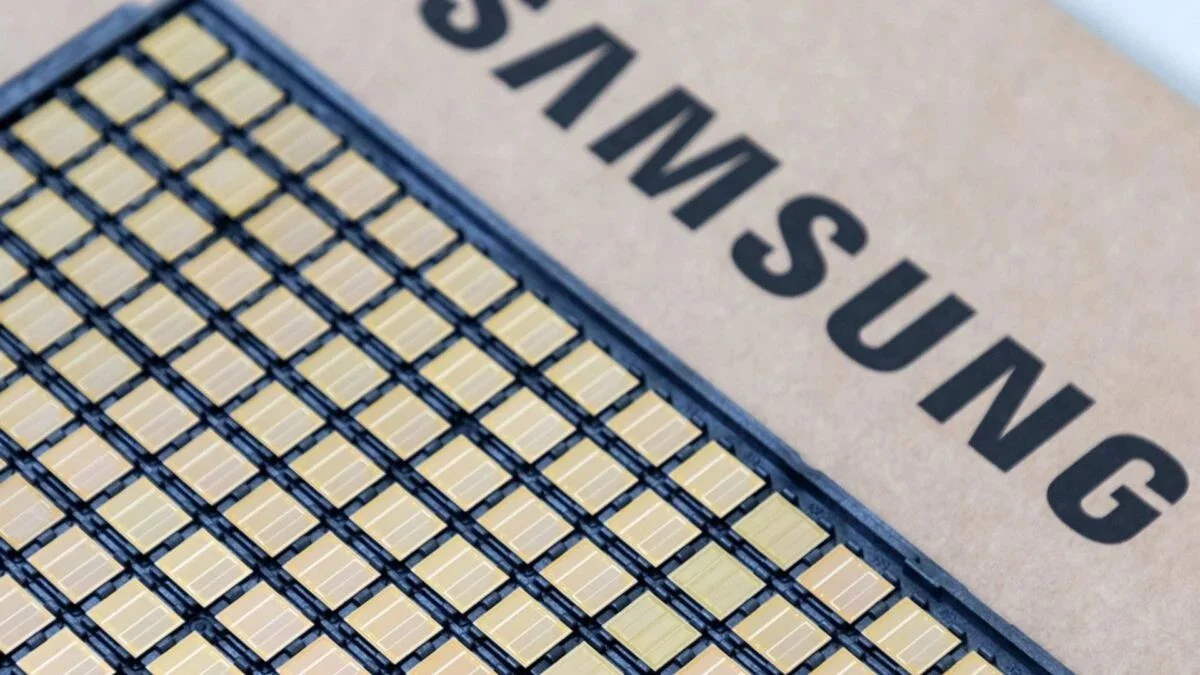
As you well know, business in the memory chip industry has been booming. Demand for high performance DRAM and HBM memory has skyrocketed, and companies like NVIDIA have been getting their hands on any supply they can and even putting down reservations with these manufacturers for the next several years, at least.
Then there are the manufacturers and fabrication plants that are capable of producing the components. Only three companies are able to produce the desired yield: Micron, SK Hynix, and, of course, Samsung. This has led to supply constraints, mainly due to the production limit that the plants of these companies have, and that, in turn, has led to these companies being able to command what can only be described as atrociously high asking prices for their products.

Samsung, in particular, saw the profits generated from its semiconductor and memory chip division rise by around 94%. The workers in the division knew about the increase, and that is what led them to strike, demanding that a portion of the profits be shared with them as a performance bonus.
Samsung initially didn’t agree to their demands, and the labour union threatened to start an 18-day strike, starting 21 May. Just a day before the strike was scheduled to begin, both the company and the labour union struck a deal.