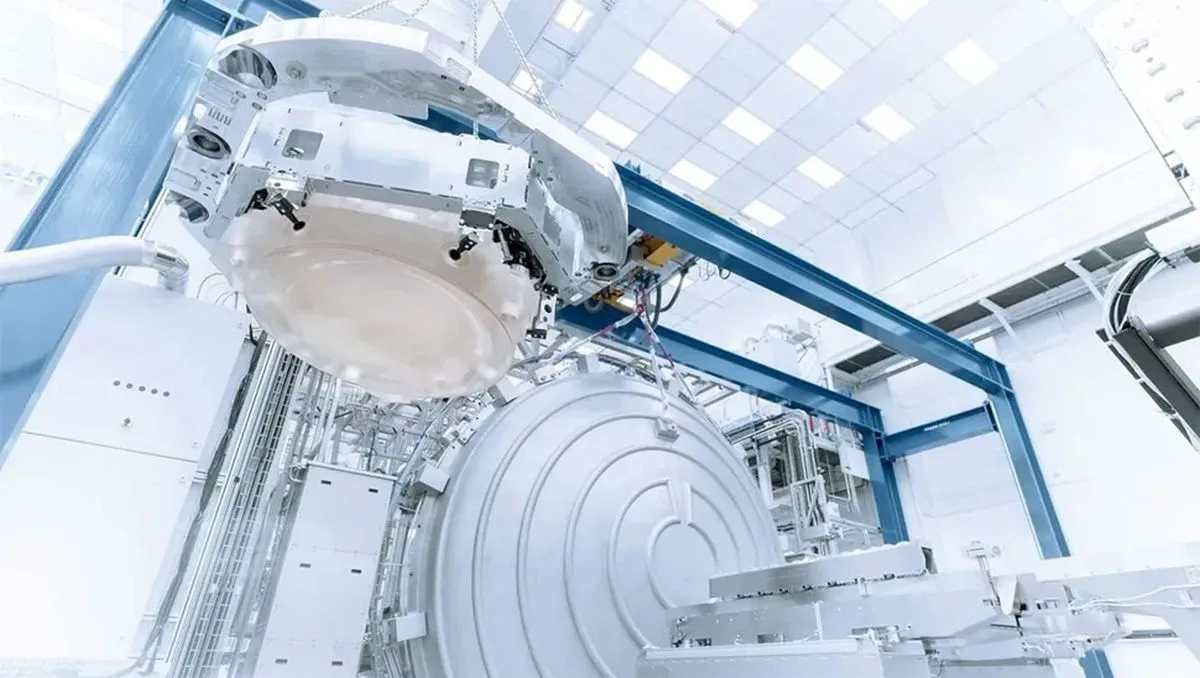
ASML. For the uninitiated, they’re the Dutch company that is responsible for the chipsets that power your PC and other smart devices, thanks to its extreme ultraviolet (EUV) lithography machines. Recently, the company found itself under the scrutiny of the US Trump administration, which says that one of its EUV machines may have ended up in China.
ASML says that that’s impossible.
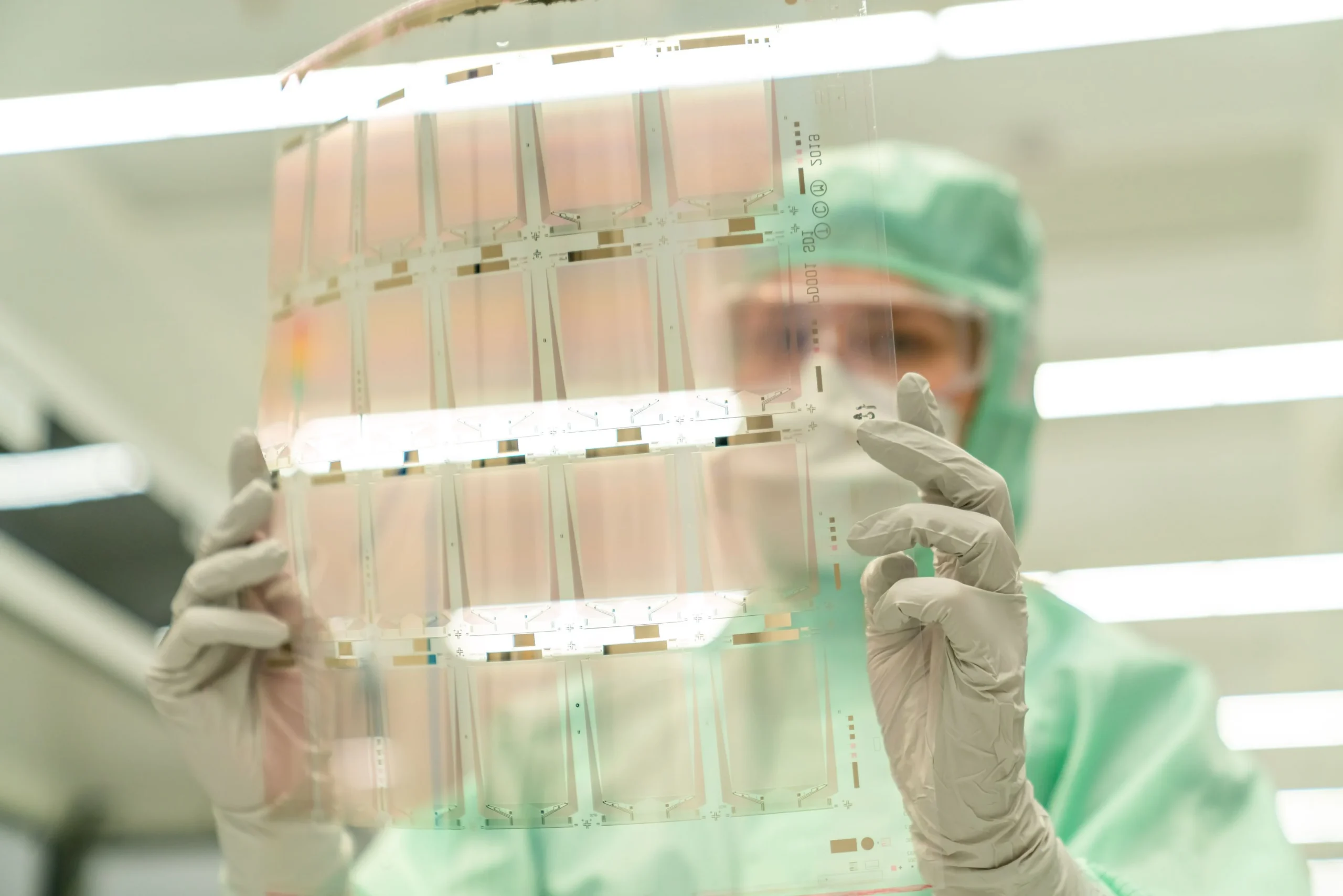
Российский центр гибкой электроники via Pexels.
The company told Howard Lutnick, US Secretary of Commerce, that such rumours were inaccurate, unfounded, and damaging to its reputation. “In recent years, ASML has refuted several unfounded rumours regarding non-compliance with export controls concerning China which were inaccurate and damaging to our reputation,” said one ASML spokesperson to Tom’s Hardware.
The accusation feel a little one-sided and, dare we say it, shady even. The Trump administration’s claim that ASML EUV lithography had made it past Dutch export controls and was smuggled into China is one thing, but the government body has not produced any evidence to support it.

ASML has refuted the allegations, stating that it was able to track any of their many EUV systems around the world in real time. However, the allegations did trigger a scramble internally, which resulted in the company circulating a document called “No Indication of Any ASML EUV System in China” among officials in Washington.
There is little reason for the Dutch company to be putting up a smoke screen around its EUV machines. These machines are the dictionary definition of heavy duty and industry: one ASML EVU machine is basically made out of 100,000 components, and when completely assembled, weighs 180 tons. For the company to transport such a machine, it can only do so by air, and that itself would require multiple flights.
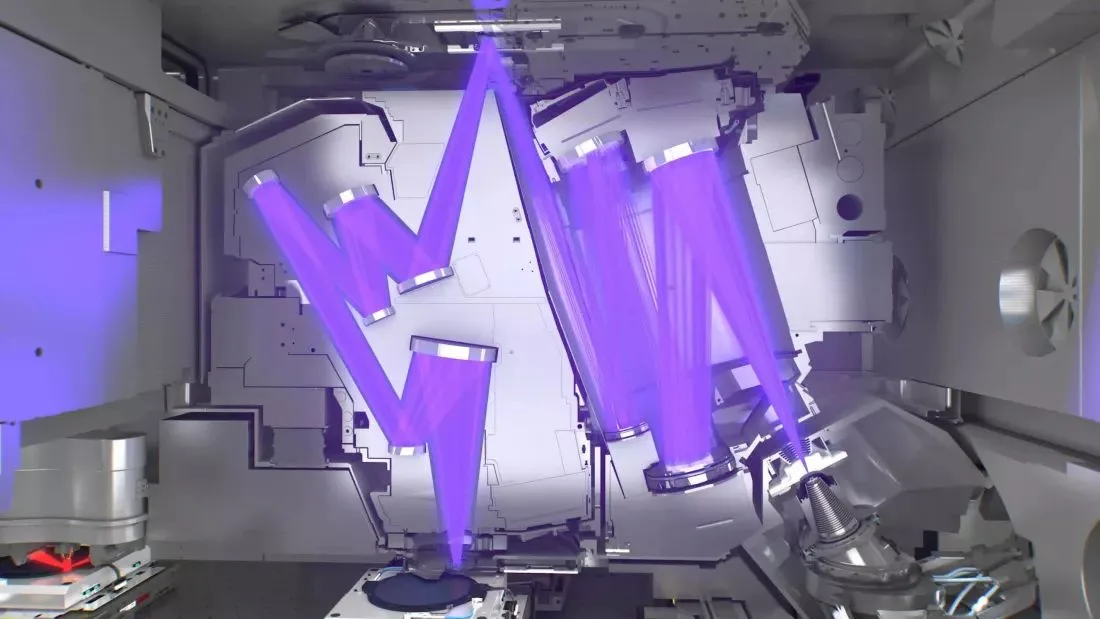
And given the complexity of the machine, ASML has made it clear that it is practically impossible for companies to reverse engineer its patented technology from scrap or spare parts.
“ASML regularly engages in transparent and open dialogue with government leaders globally,” ASML said to Tom’s Hardware. “We recognize the national security considerations behind export control regulations in the U.S. and the Netherlands. As a company, we are fully committed to abiding by all laws and regulations applicable to our business activities, including all applicable relevant export control regulations, and we have consistently adjusted our business to any development in export controls to comply to any new rules.”
(Source: Bloomberg, Tom’s Hardware)