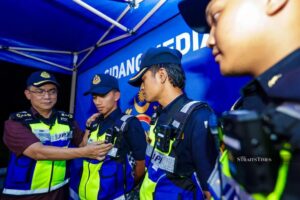
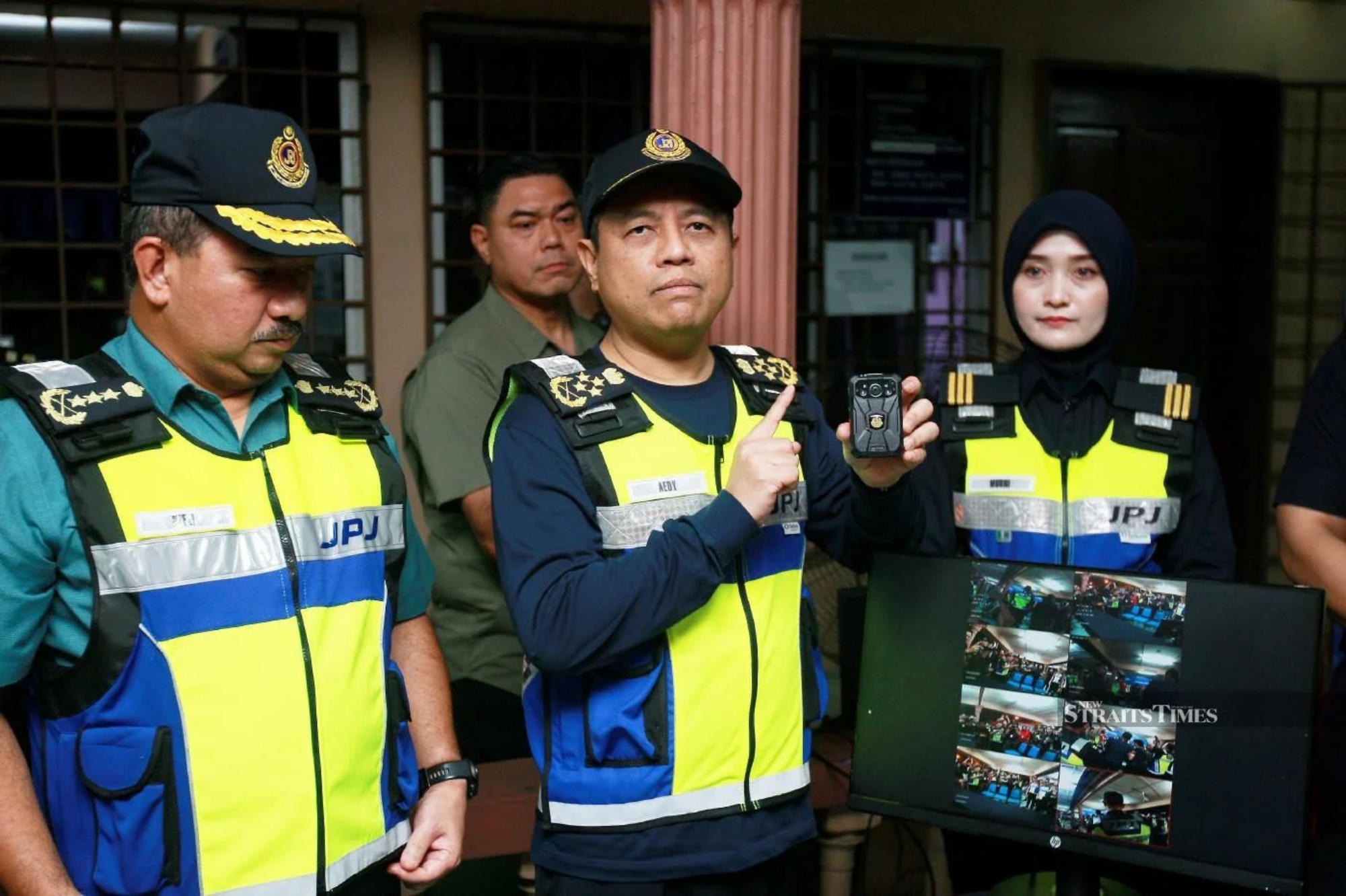
Road Transport Department (JPJ) enforcement officers in Selangor have begun wearing body-worn cameras (BWCs) while on duty, marking a new step towards improving transparency, accountability, and integrity during enforcement operations. The rollout started earlier this week and applies to officers conducting routine checks and enforcement activities across the state.
Selangor JPJ director Azrin Borhan said the cameras record both visual and audio footage, which officers can use as valid supporting evidence when required. According to him, the recordings help provide an objective account of enforcement activities, particularly in situations where disputes or complaints may arise.
Azrin added that the use of BWCs also protects officers from misunderstandings, unfounded accusations, or harassment while carrying out their duties. By documenting interactions on the ground, the cameras help safeguard both enforcement officers and the public, while ensuring officers carry out procedures professionally.
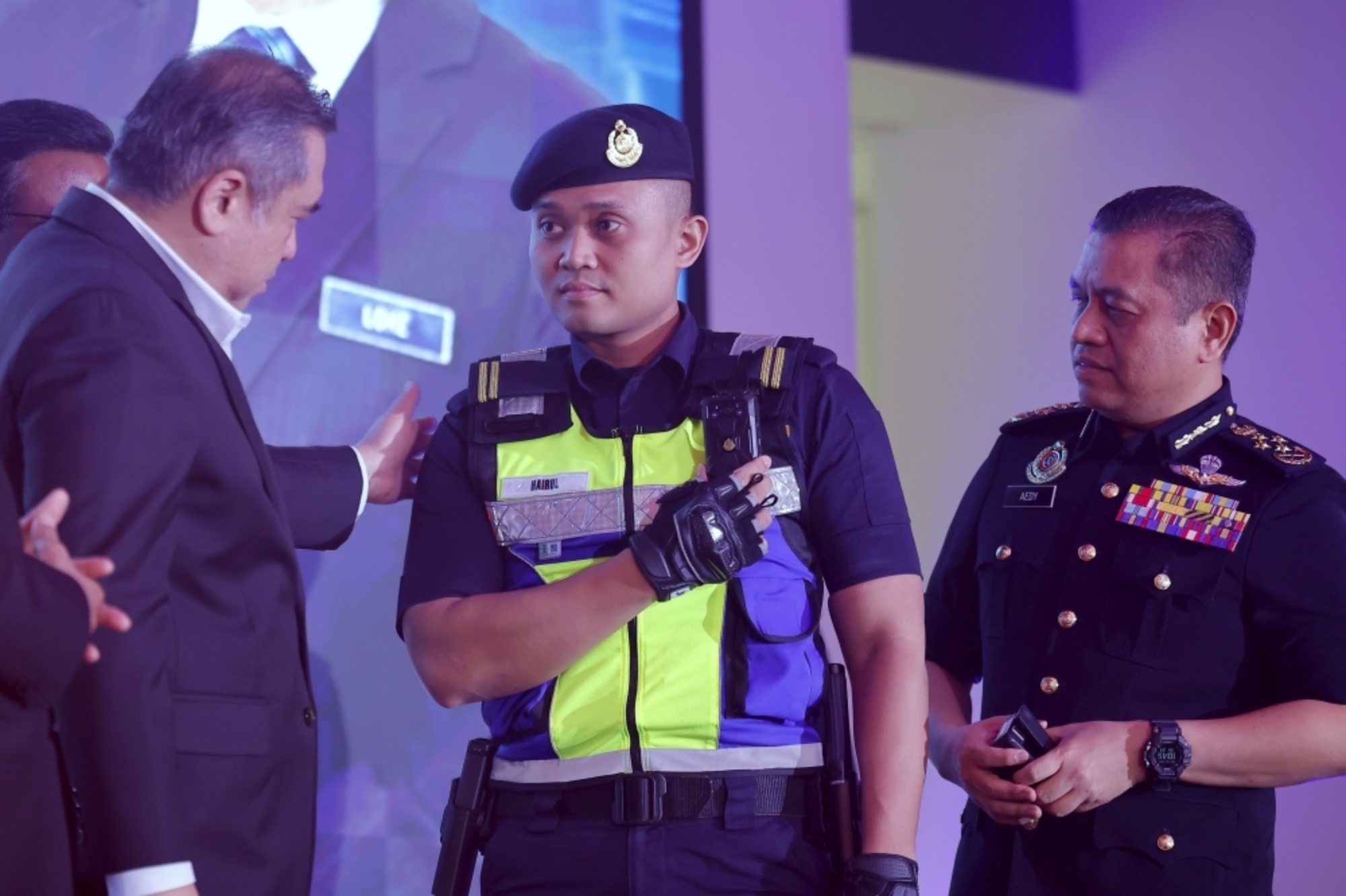
The move aligns with earlier remarks by Transport Minister Anthony Loke, who said body cameras would improve the effectiveness of JPJ officers in the field, especially when dealing with heavy vehicle enforcement. He previously noted that the initiative was requested by JPJ director-general Datuk Aedy Fadly Ramli to uphold high standards of safety, image, and integrity among officers on duty.
On a related note, the Royal Malaysia Police (PDRM) began piloting and progressively rolling out body-worn cameras among officers in 2024, while the Customs Department started using bodycams as part of its integrity initiative following trials beginning around 2023. Body cameras offer significant benefits to both law enforcement officers and the public by enhancing accountability and transparency, improving safety, and providing objective evidence in police-civilian interactions.
Advantages Of Body Cam Usage
For Officers
- Protection from False Claims: Objective footage helps clear officers of unfounded complaints.
- Stronger Evidence: First-hand video supports reports, speeds up investigations, and helps resolve cases faster.
- Training Tool: Real incidents can be used for coaching, reviews, and recruit training.
- Less Paperwork: Video reduces the need for lengthy post-incident documentation.
For the Public
- Greater Accountability: Recorded interactions encourage professional conduct.
- Reduced Misconduct: Awareness of cameras improves behaviour on both sides.
- Quicker Complaint Handling: Footage enables faster, fairer investigations.
- Support for Victims: Video helps confirm events and supports victim and witness accounts.
(Source: New Straits Times / Axon)