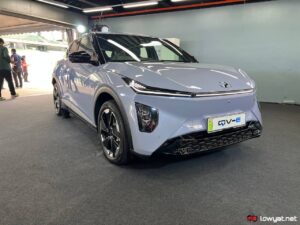
The much-anticipated Perodua QV-E has finally arrived and, as reported earlier, it comes with a price tag of RM80,000. While the features and specifications of the EV hatchback have been shared, I also had the opportunity to test-drive the car weeks before its official launch at the Sepang International Circuit.
To recap, the QV-E features a front-wheel-drive configuration with a motor that produces 150 kW of power and 285 Nm of torque, and it has a top speed of 165 km/h. It is powered by a 52.5 kWh CATL battery, offering a NEDC-rated range of 445 km. The car provides three driving modes: Eco, Normal, and Sport.
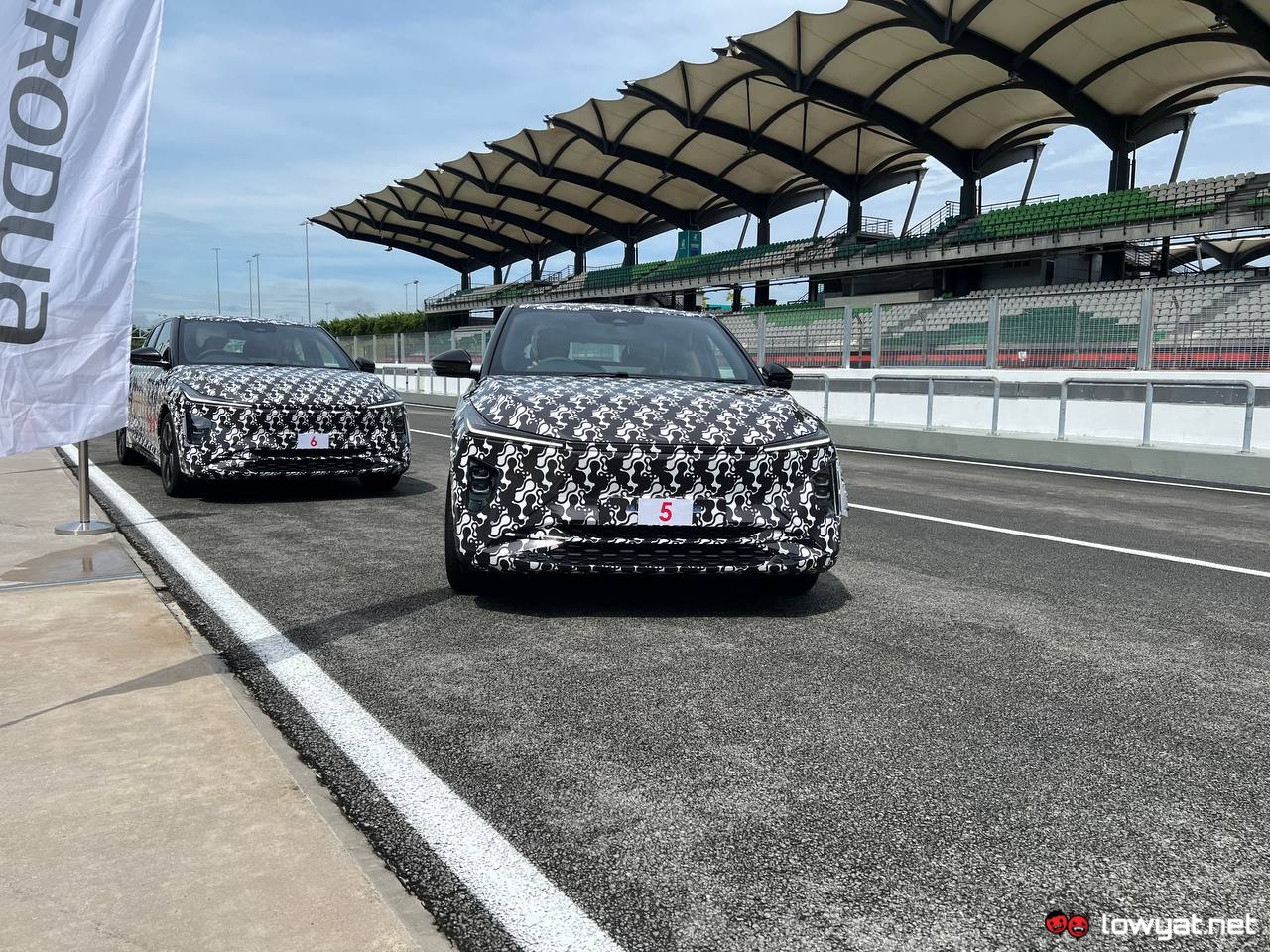
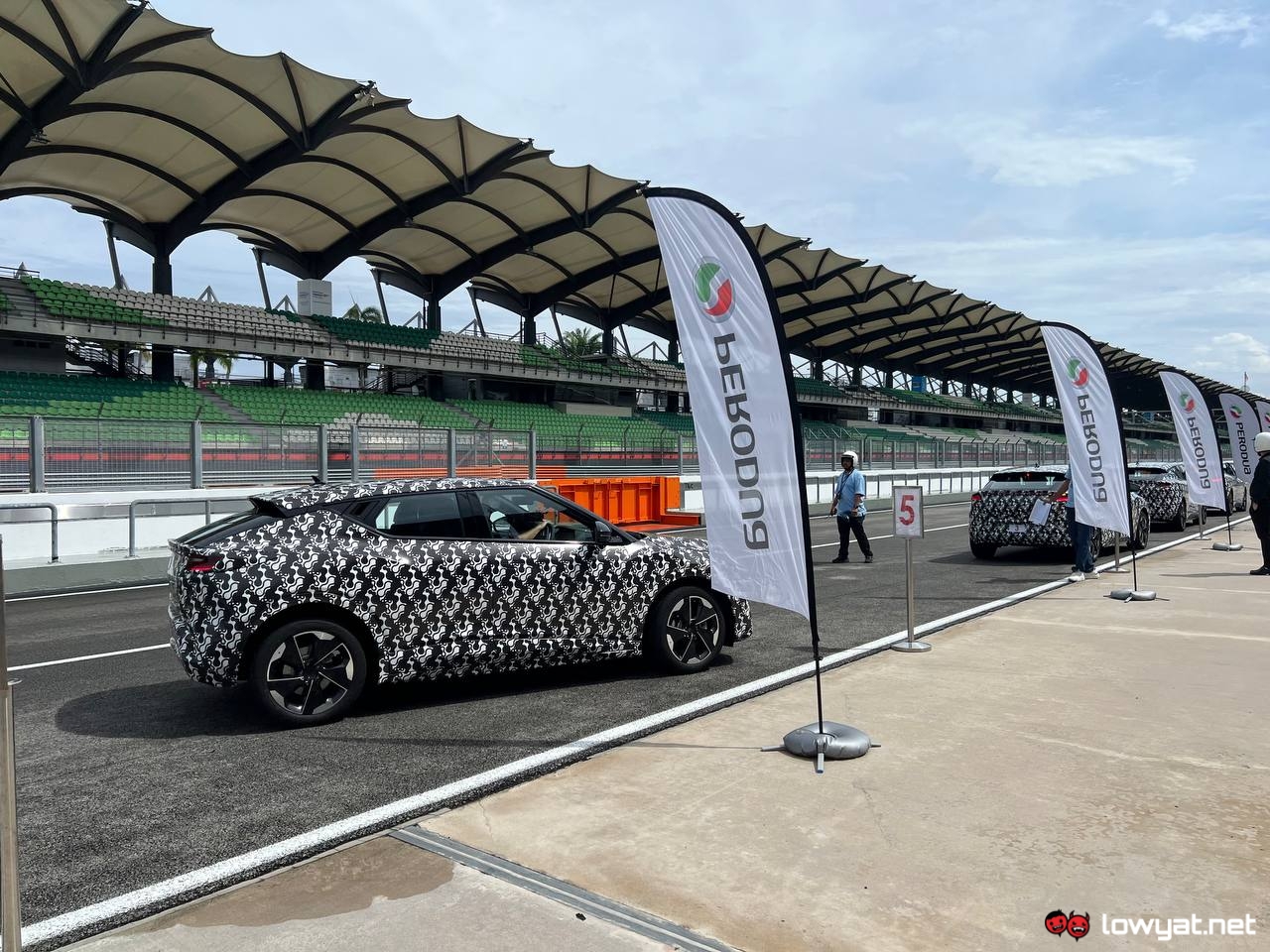
In Sport mode, the QV-E performs impressively, delivering instant acceleration typical of an EV. The automaker claims a 0–100 km/h time of 7.5 seconds, which is achievable in real-world testing. The hatchback also offers smooth and composed handling, particularly through the sharper corners of the Sepang track. Taking corners at around 80 km/h felt effortless as the car remained planted with minimal to no body roll.
Another interesting feature is the adjustable steering setting, which can be set to Comfort, Sport, or Auto. In Sport mode, steering response is immediate and precise. You can feel every subtle directional change the car makes, giving the driver a strong sense of control and confidence behind the wheel.
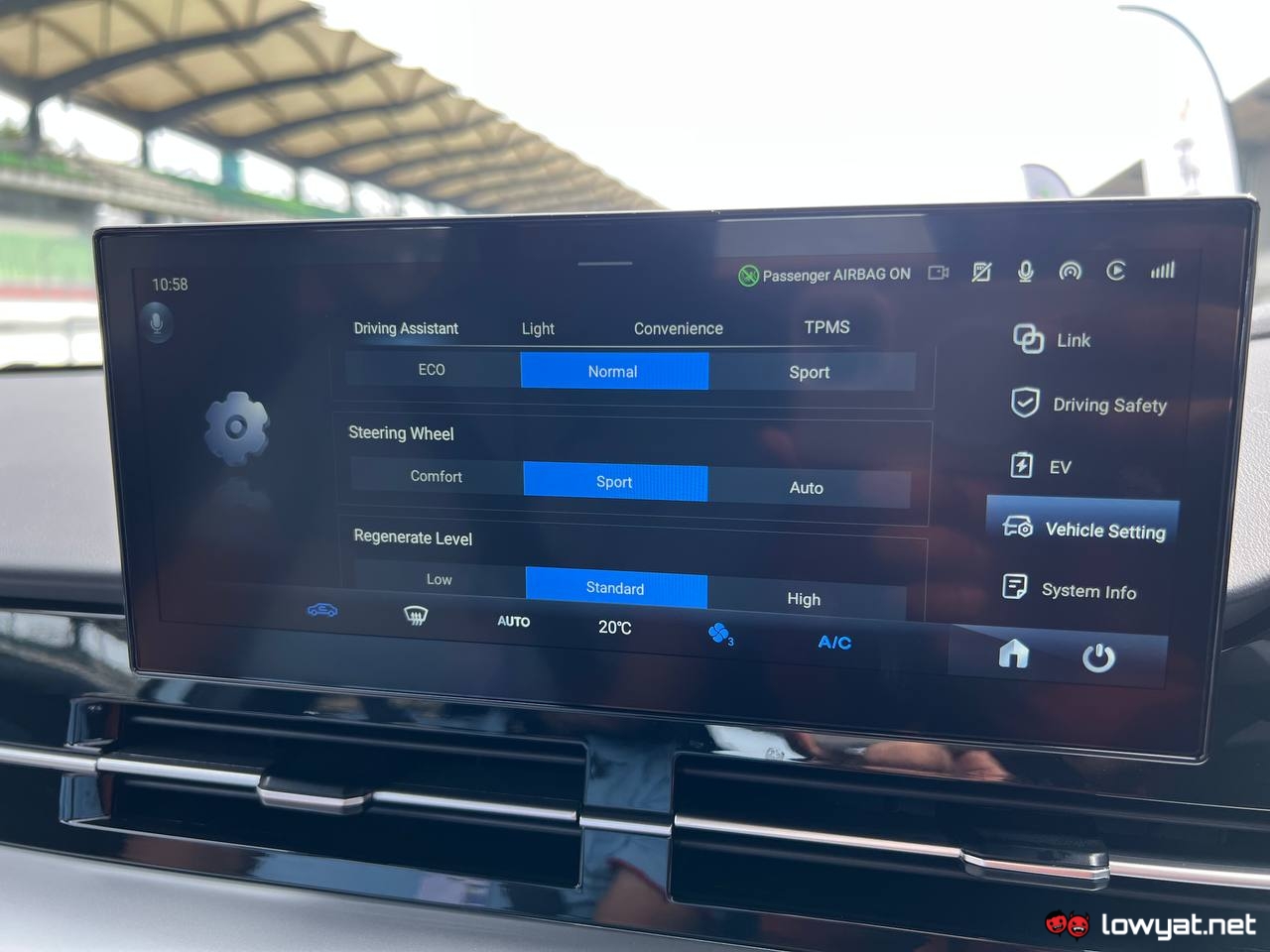
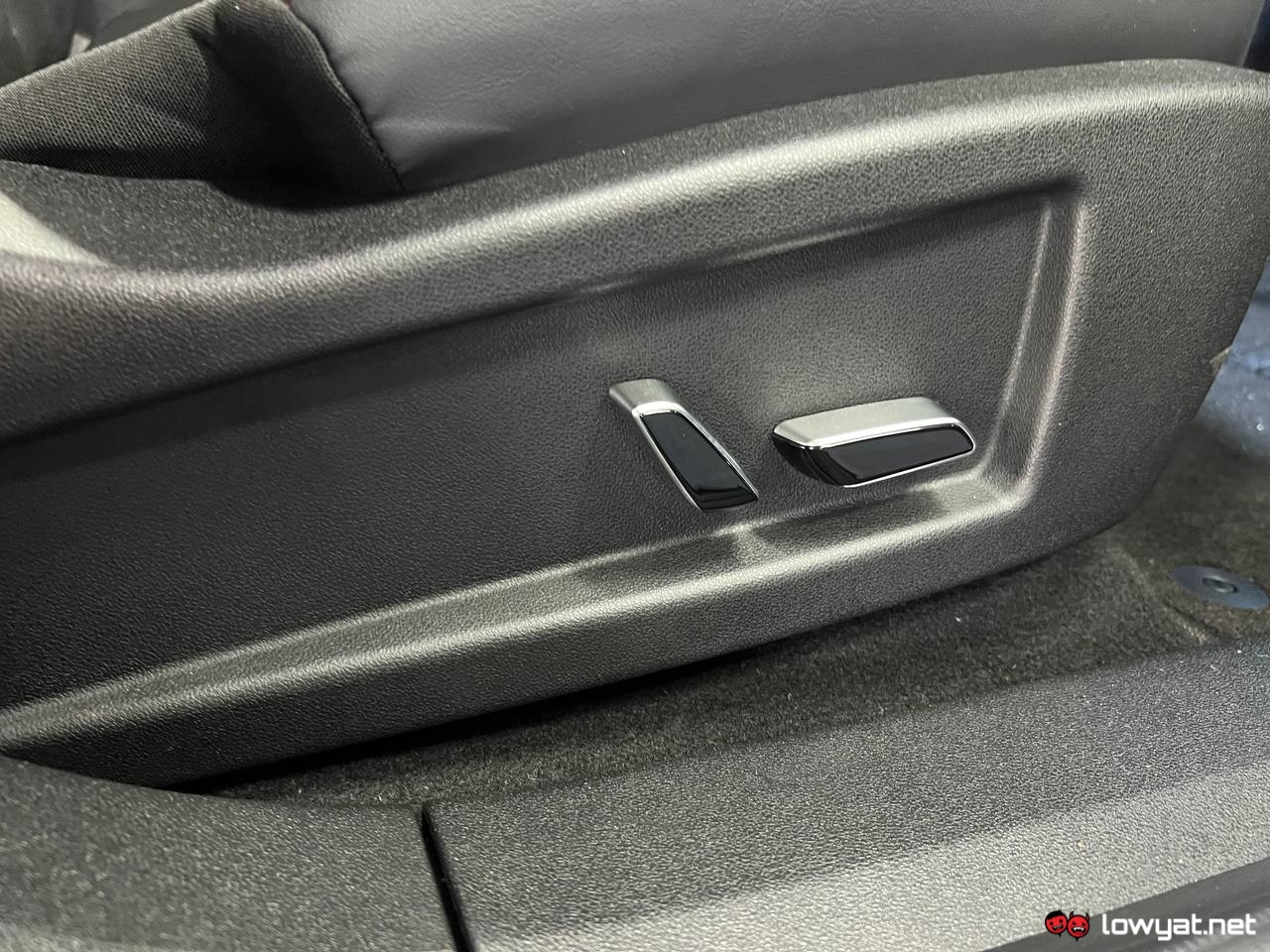
Additionally, the car features a Regeneration Level setting, which can be adjusted between Low, Standard, and High. This system helps recover energy each time the brakes are applied, feeding it back into the battery. When set to High, the regeneration is strong enough to enable “one-pedal driving,” where releasing the accelerator causes the car to slow down immediately without needing to press the brake pedal. This feature is especially useful for long-distance journeys as well as stop-and-go city driving.
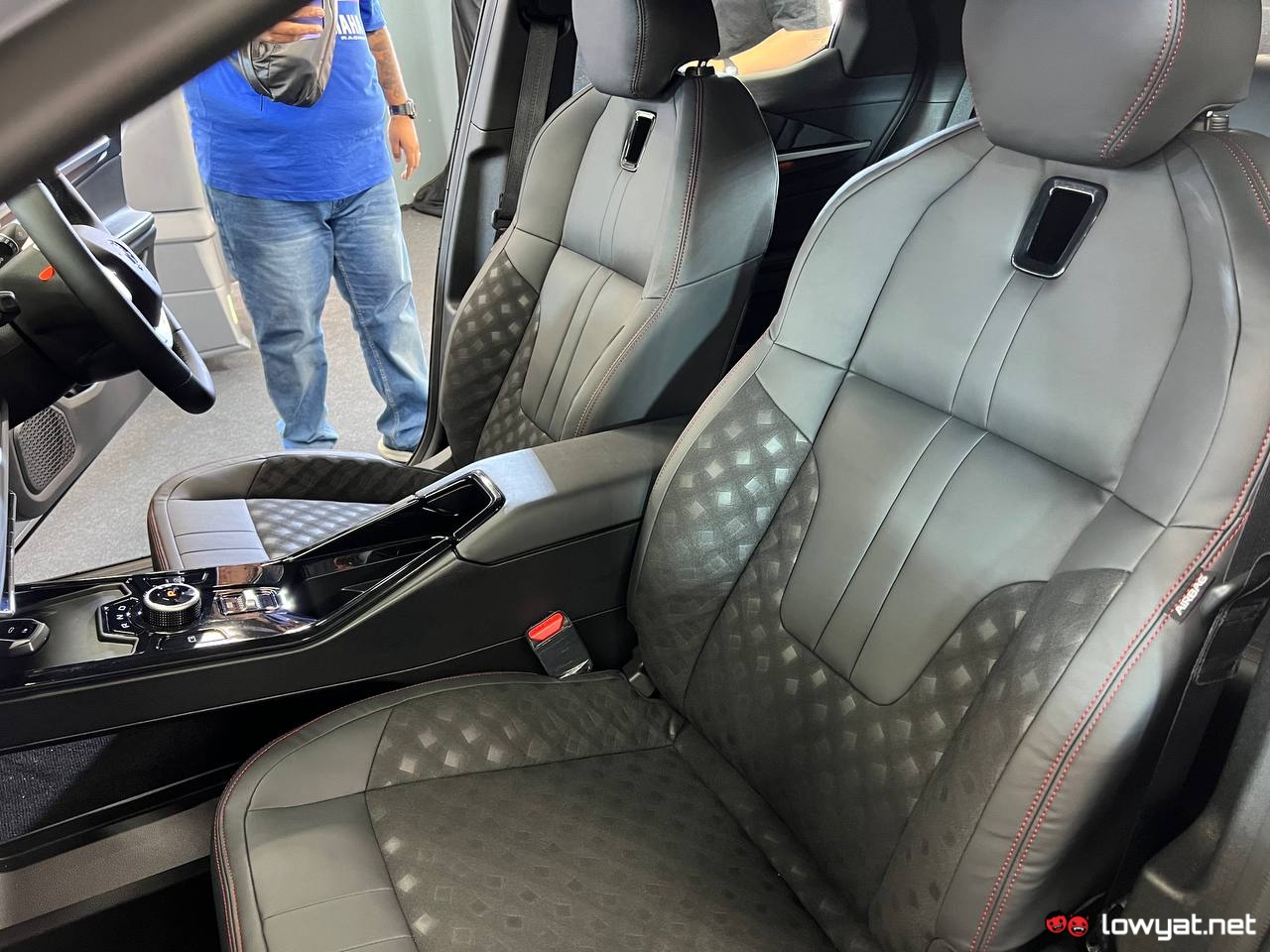
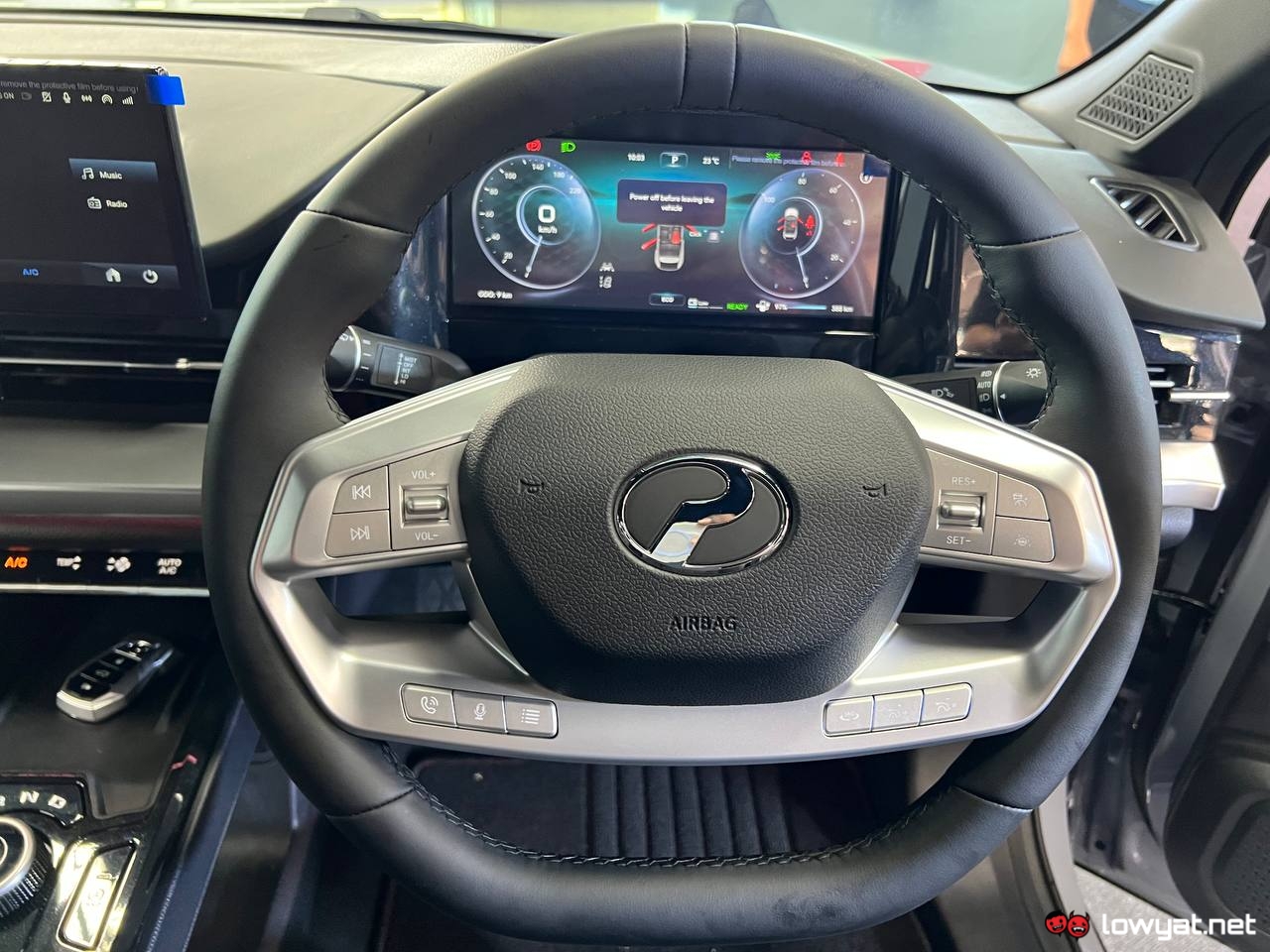
In terms of comfort, the car is equipped with semi-leather seats with electric adjustment, allowing drivers to fine-tune their seating position to their individual preference. It also features a leather-wrapped steering wheel and a digital rear-view mirror. The digital mirror can be switched off to function as a conventional mirror, giving the driver additional flexibility.
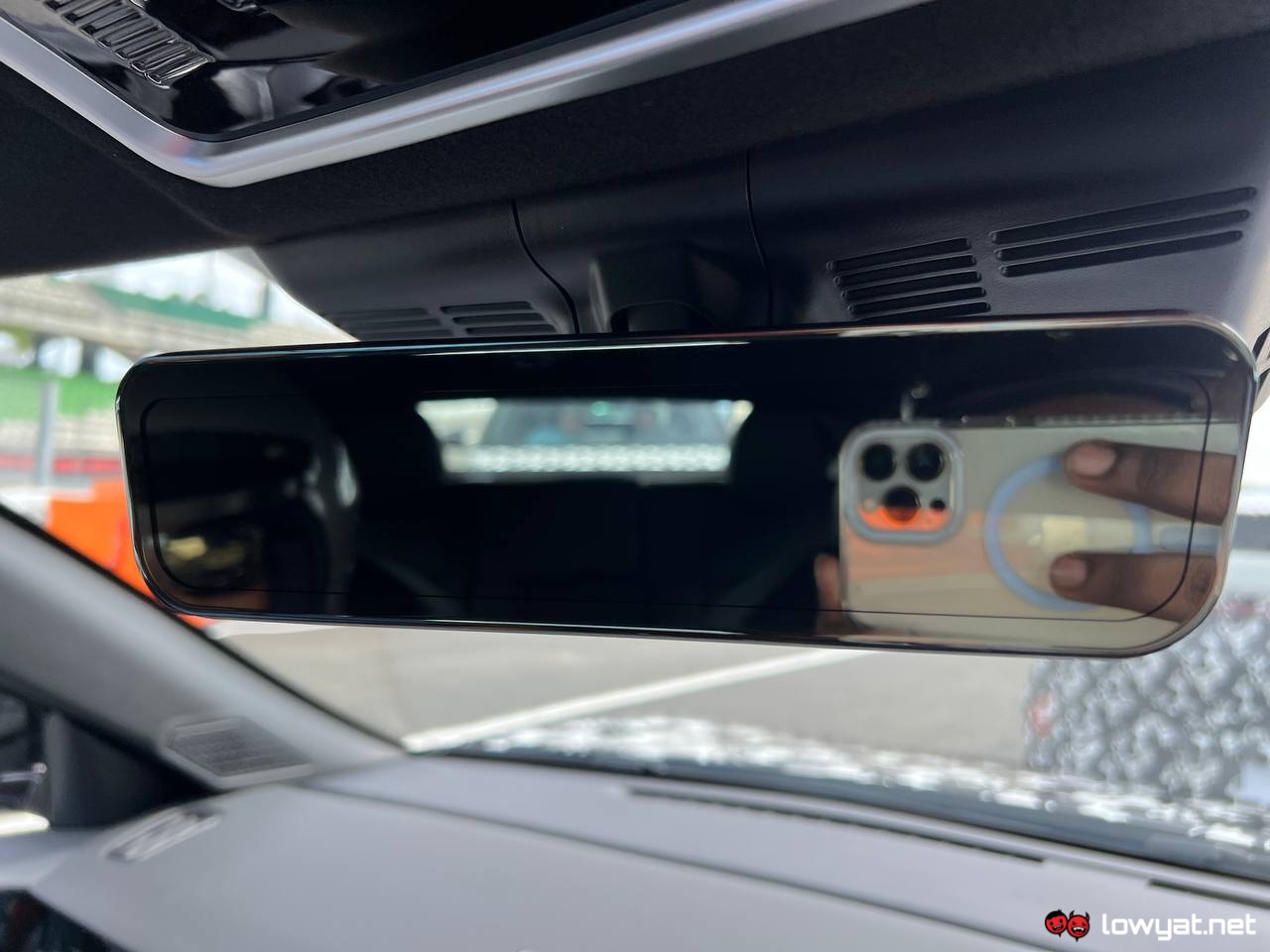
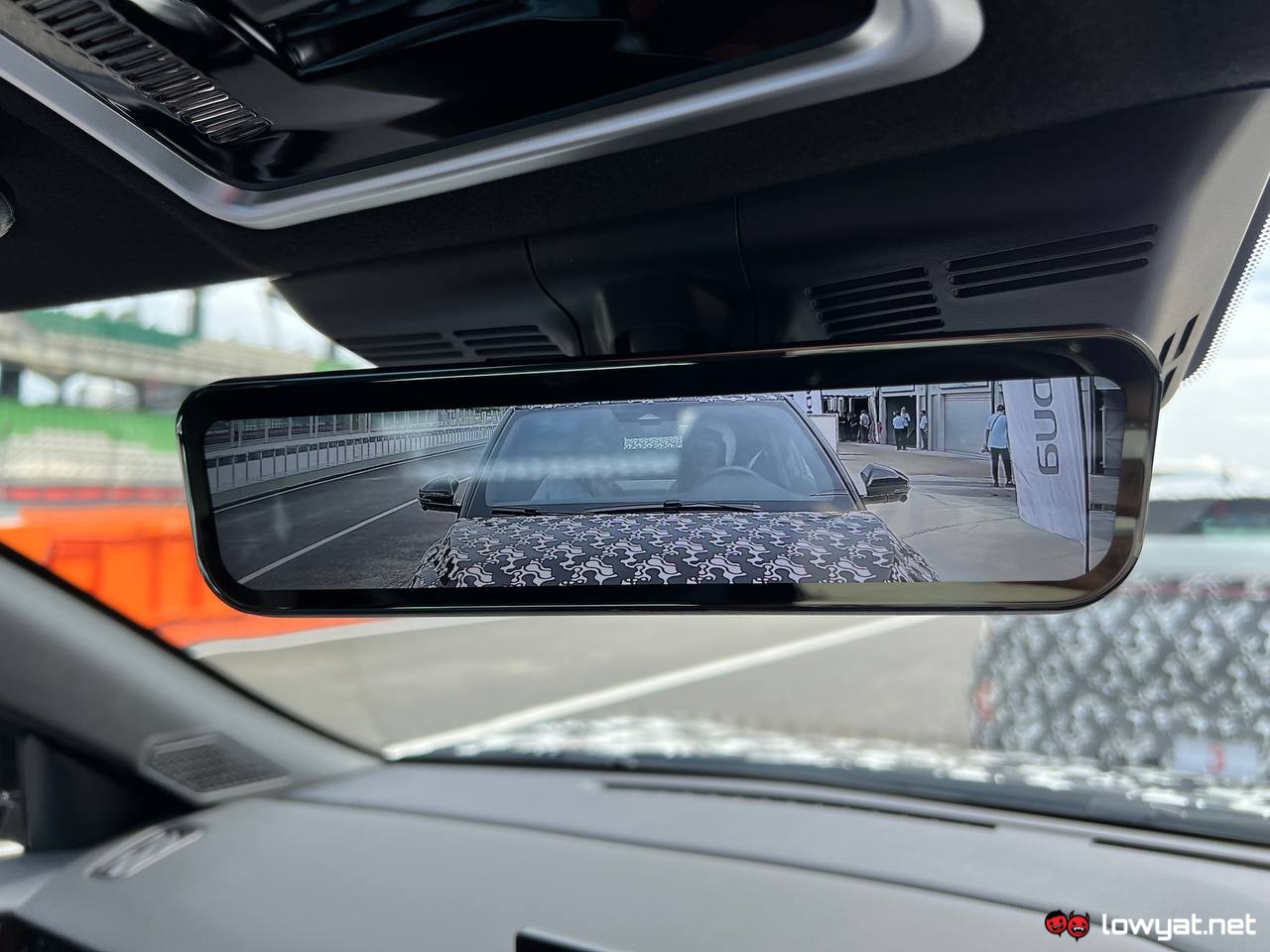
That said, there are a few aspects of the QV-E that I personally dislike. To begin with, the steering wheel feels overly thick, making it difficult to maintain a firm grip during high-speed cornering. Another concern is interior space: despite having a longer wheelbase than the current Myvi, the rear headroom and legroom feel somewhat limited. Lastly, I find the digital rear-view mirror to be an unnecessary feature, as many drivers may simply switch it off and revert to using it like a standard mirror.
In conclusion, the Perodua QV-E demonstrates Perodua’s capability in developing a practical and well-rounded electric vehicle for the local market. Personally, I find that it fulfils most expectations for an entry-level EV and is poised to be an excellent first choice for Malaysians seeking a comfortable and reliable daily driver.