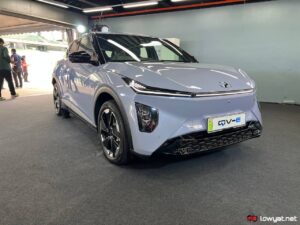
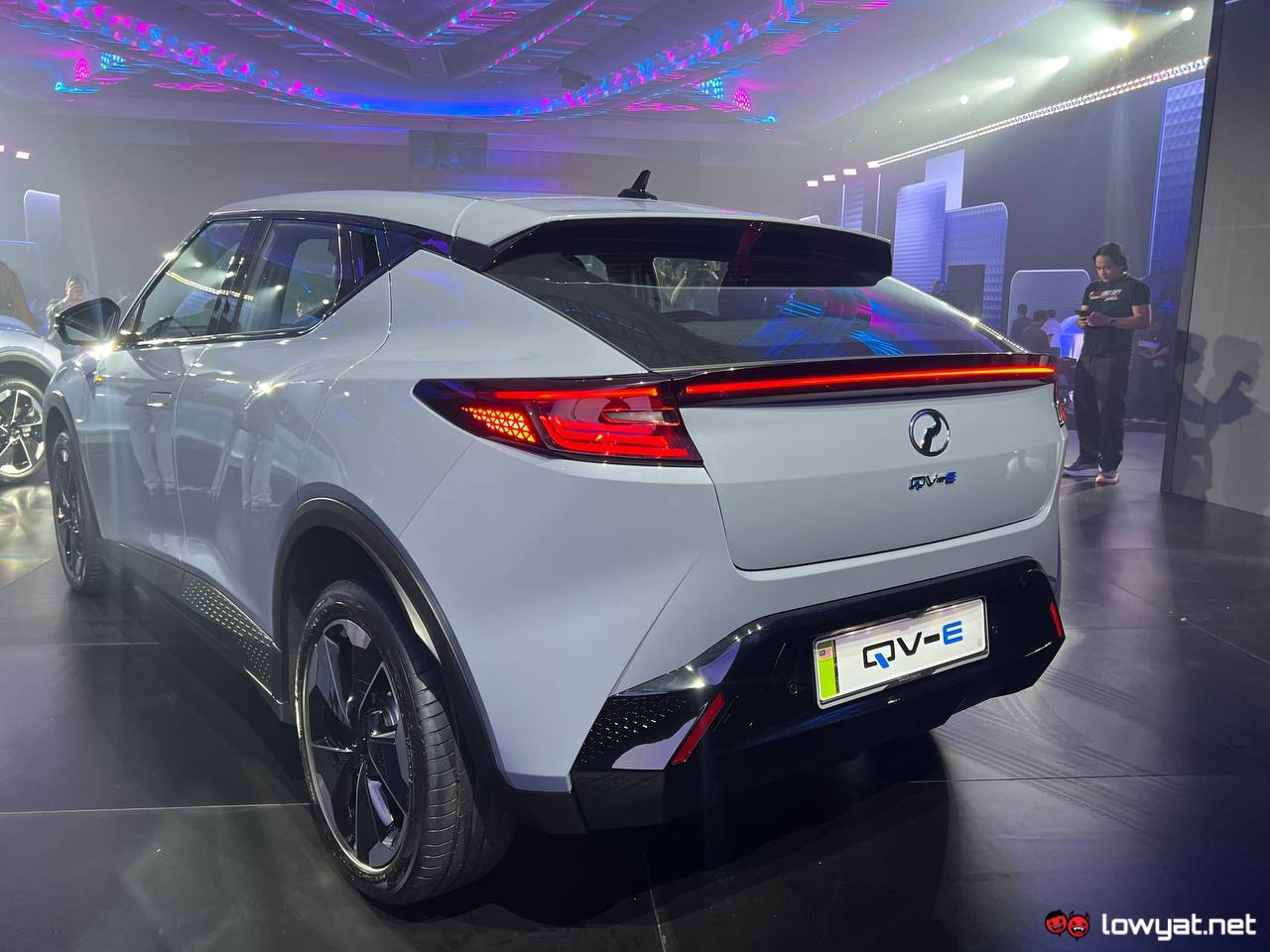
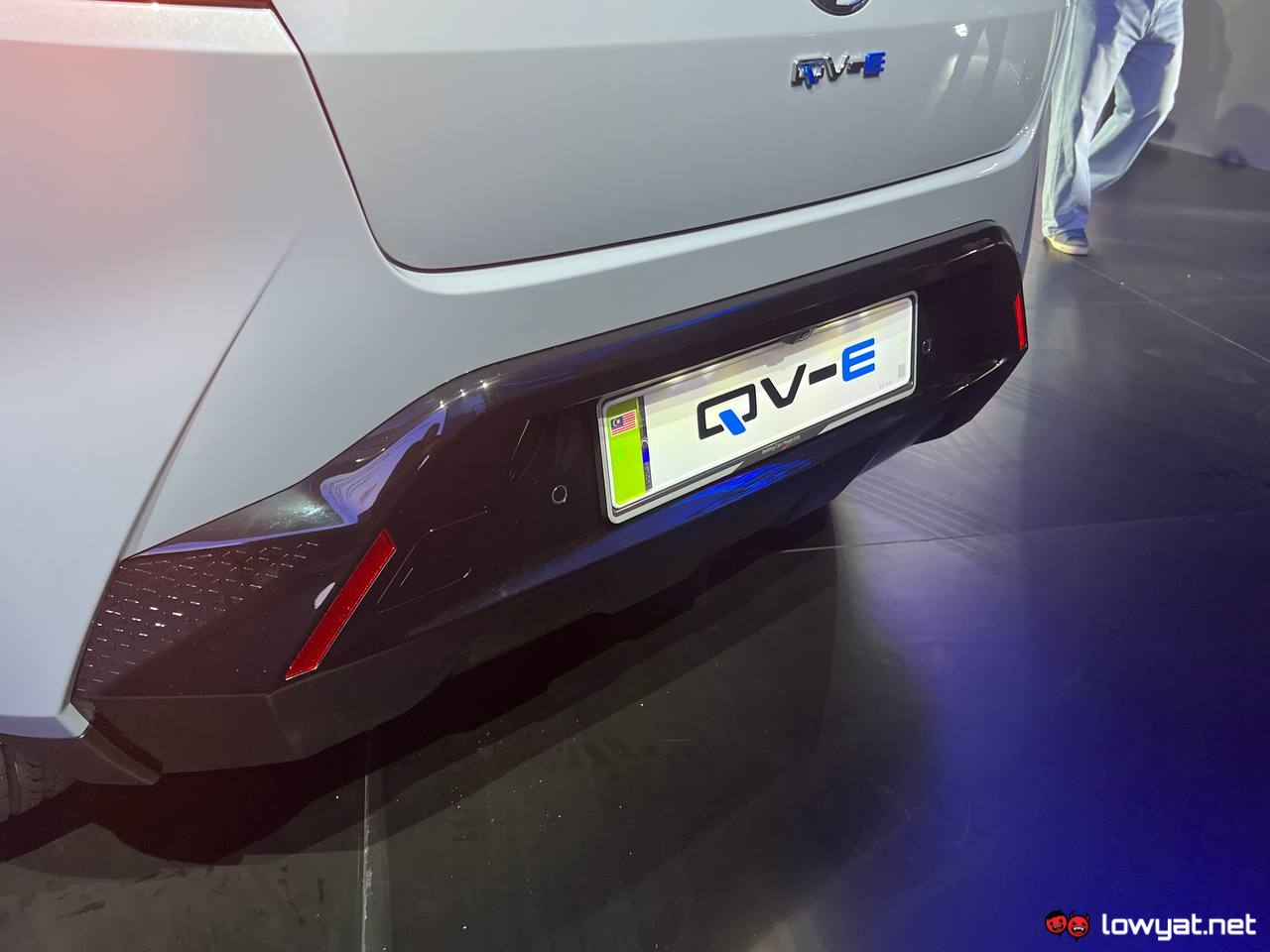
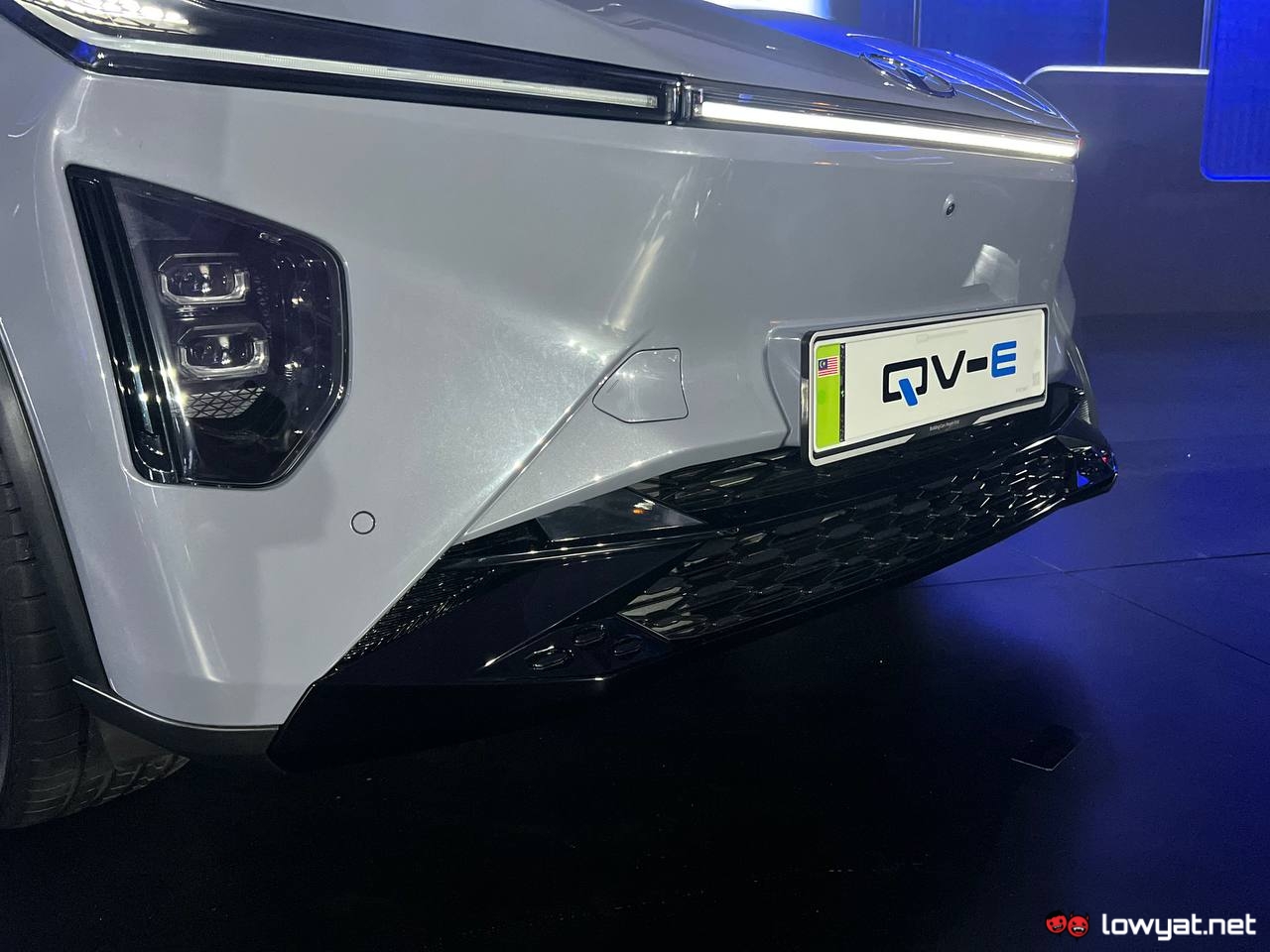
Today, the long-awaited home-developed Perodua QV-E finally made its debut in the local market. Priced at RM80,000, this new EV hatchback comes with a unique ownership model where, the price does not include full ownership of the vehicle’s battery. For the first time in Malaysia, the national automaker has introduced a battery leasing programme known as Battery As A Service (BaaS).
The main purpose of this programme is to allow Perodua to manage battery disposal once it reaches the end of its lifespan. It also helps maintain the vehicle’s resale value and addresses concerns surrounding the high cost of EV battery replacement. Besides, through this lease, the company offers lifetime warranty for the battery apart from the six-years/150,000km vehicle warranty and eight-years/150,000km drive unit warranty.
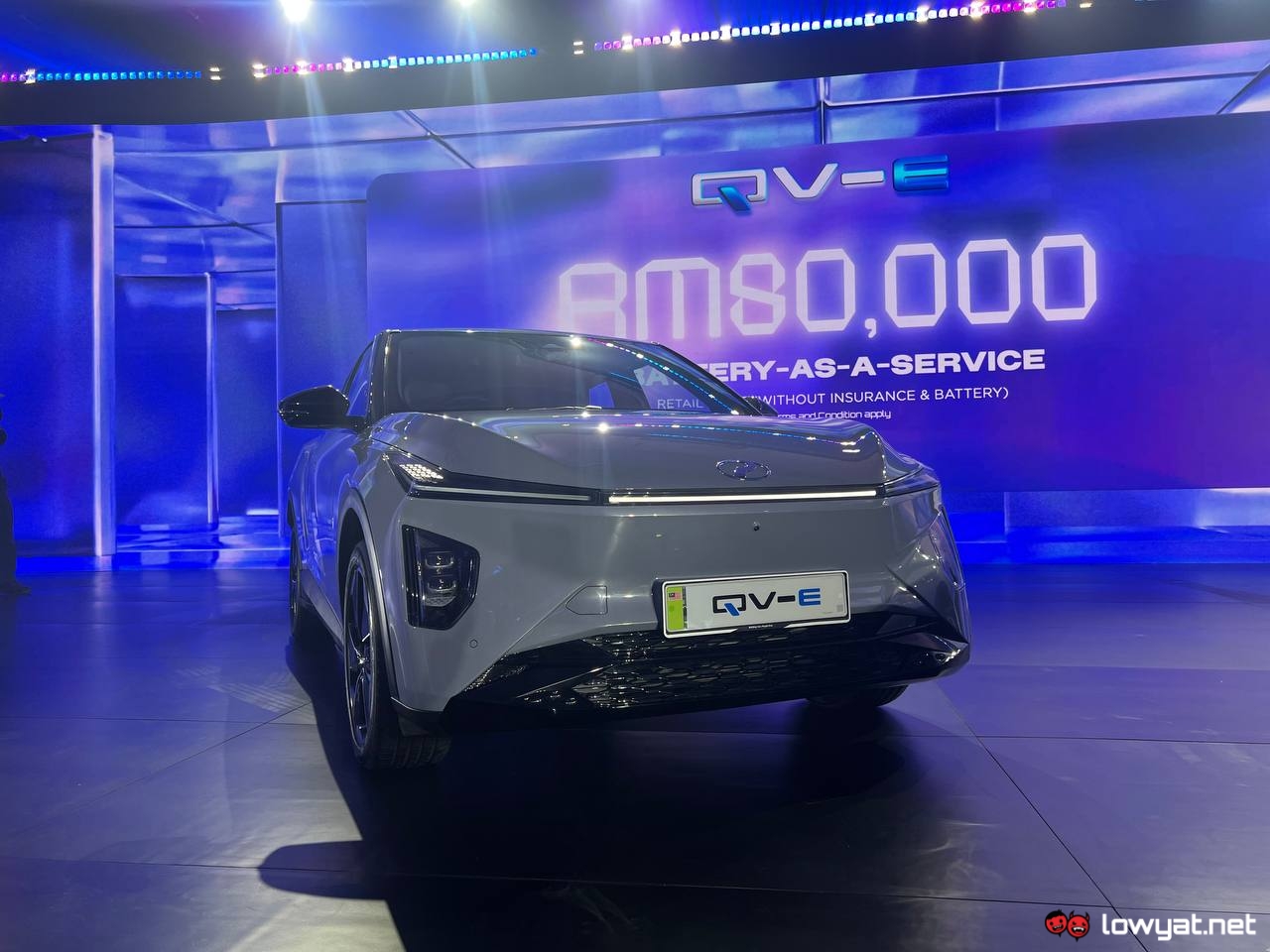
This concept is entirely new to Malaysians, as no other EV brand in the country currently offers such a programme. Additionally, the battery leasing plan is mandatory and bundled together with every QV-E purchase. Customers are required to sign a nine-year leasing agreement with Perodua, with a monthly payment of RM275 (excluding taxes). This raises a common question: Does this mean the car loan must also be nine years?
The answer is no. The vehicle loan is a separate agreement between the buyer and the bank, with a tenure chosen by the customer. So how does payment for both agreements work? Here’s an example:
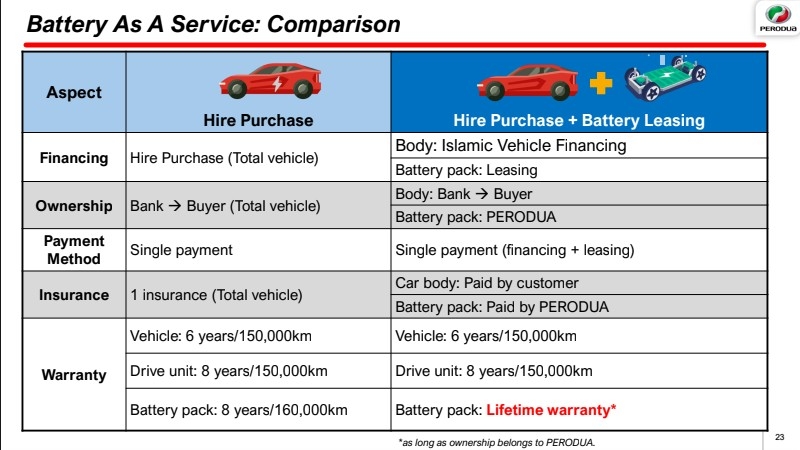
If a customer takes a five-year bank loan for the Perodua QV-E, the battery leasing payment for those five years will be combined with the car loan and paid as a single monthly instalment to the bank. Once the five-year loan period ends, the bank will notify Perodua, and the customer will then continue paying the remaining years of the battery lease directly to Perodua via the P-Circle application.
Once the lease payment is completed, customers have the option to continue using the vehicle with the existing battery without signing a new lease agreement, or to enter into a new leasing contract with Perodua should they wish to replace the battery.

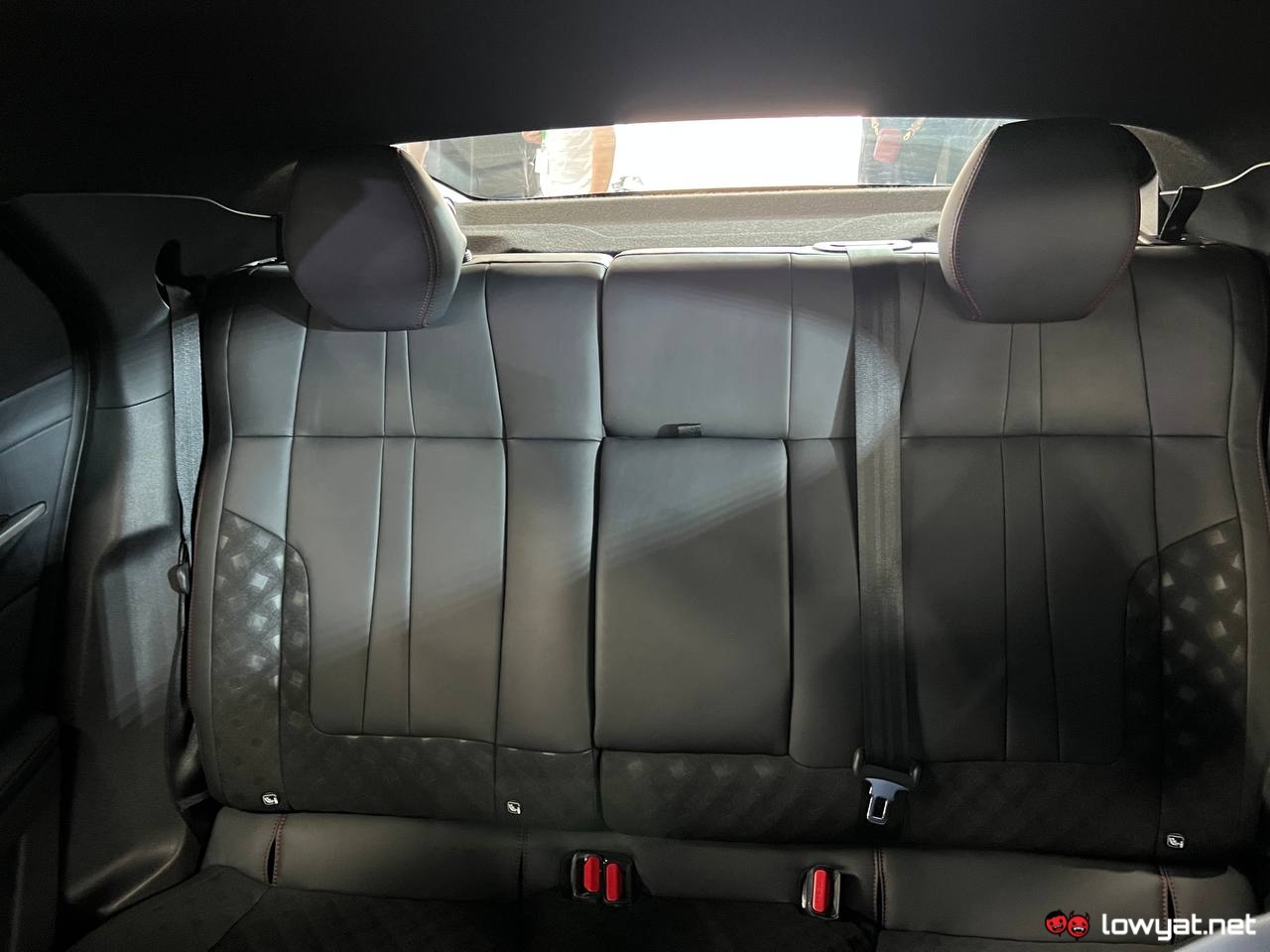
If a customer decides to sell the QV-E at any point during ownership, the sale must be carried out through an official Perodua channel, as the battery remains the property of the company. The new buyer will then be required to sign a fresh nine-year battery leasing agreement upon purchasing the second-hand vehicle.
Meanwhile, if the battery becomes damaged due to circumstances not caused by the customer, Perodua will replace it at no additional cost. If the battery is still within the mandated leasing period, the customer may simply continue paying the remaining monthly instalments without renewing the contract. However, if the damage is determined to be the customer’s fault, a new nine-year leasing agreement will need to be signed.
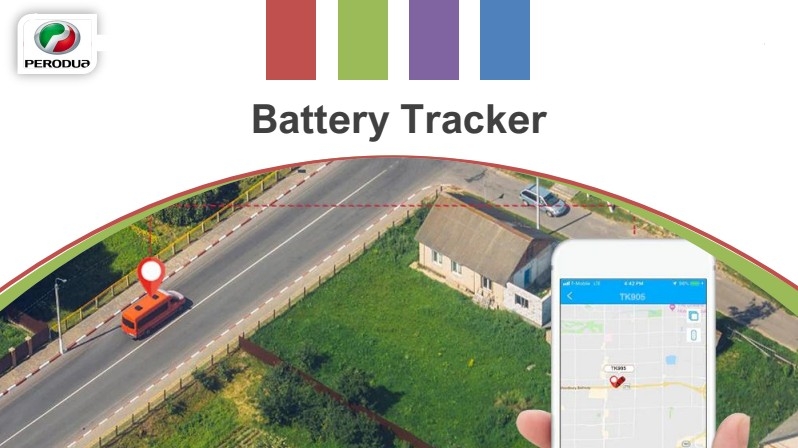
The battery pack also comes equipped with a built-in battery tracker, as the battery remains the property of Perodua under the leasing programme. According to the automaker, this tracker is installed to support the battery’s end-of-life management. It will be activated if the QV-E is abandoned, and it also enables quicker assistance in the event of a breakdown. Additionally, the tracker helps Perodua locate the vehicle if the customer fails to make the required payments. With this system in place, attempts to hide the vehicle in an abandoned parking lot or at a friend’s house will no longer be effective.
While all of this may seem confusing, the BaaS programme is said to offer several key benefits to customers. Among them is a lower vehicle down payment, as the battery cost is excluded from the final on-the-road (OTR) price, along with reduced yearly insurance premiums since the battery insurance is handled by Perodua.
Customers also enjoy a lifetime battery performance guarantee, ensuring the unit maintains more than 70% state of health (SOH), which in turn helps preserve the car’s resale value. Additionally, the programme ensures that the battery’s end-of-life disposal is properly managed by Perodua, offering owners peace of mind throughout the vehicle’s lifespan.