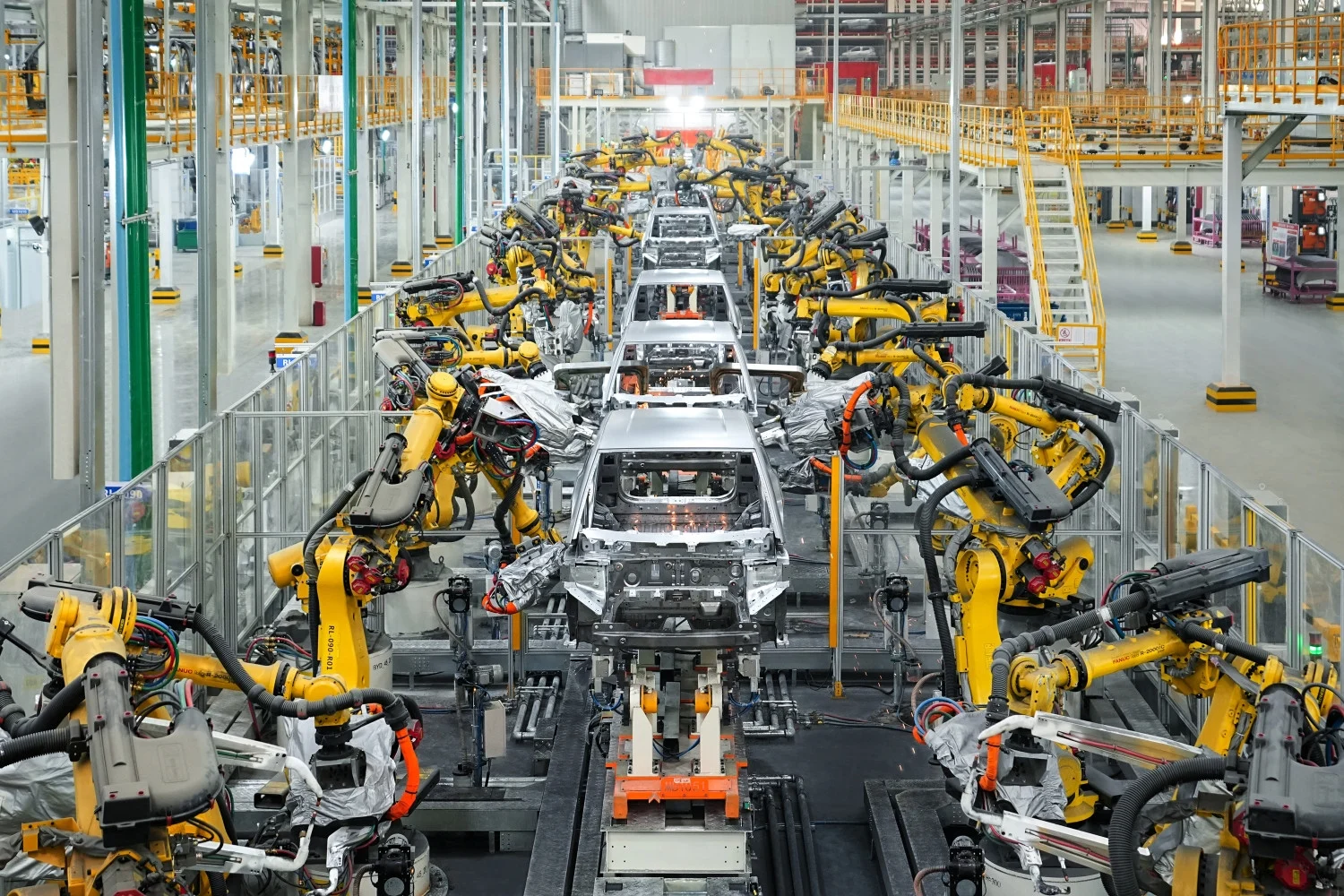
The Ministry of Investment, Trade and Industry (MITI) has yet again pushed back against claims that Malaysia’s upcoming rules for foreign electric vehicles (EVs) are mainly designed to protect national carmakers Proton and Perodua. Speaking during the 2nd ASEAN Automotive and Mobility Conference organised by PwC Malaysia yesterday, MITI deputy minister Sim Tze Tzin said the policy is instead aimed at strengthening the country’s automotive ecosystem by encouraging foreign EV makers to establish local operations and work more closely with Malaysian suppliers.
“We want foreign manufacturers to collaborate with our local vendors in the ecosystem so that they can enhance their capabilities, move up the value chain and position Malaysia to become an exporter of automotive components and parts while also preparing for the future of autonomous driving,” he told reporters. He also stressed that the ecosystem does not exclusively serve Proton and Perodua, but also foreign automotive brands already operating in Malaysia.
“That is the objective, to strengthen the entire ecosystem,” he added. “The ecosystem is not serving just two companies or only Proton and Perodua but many carmakers, including European, Japanese and Chinese brands operating in Malaysia.”
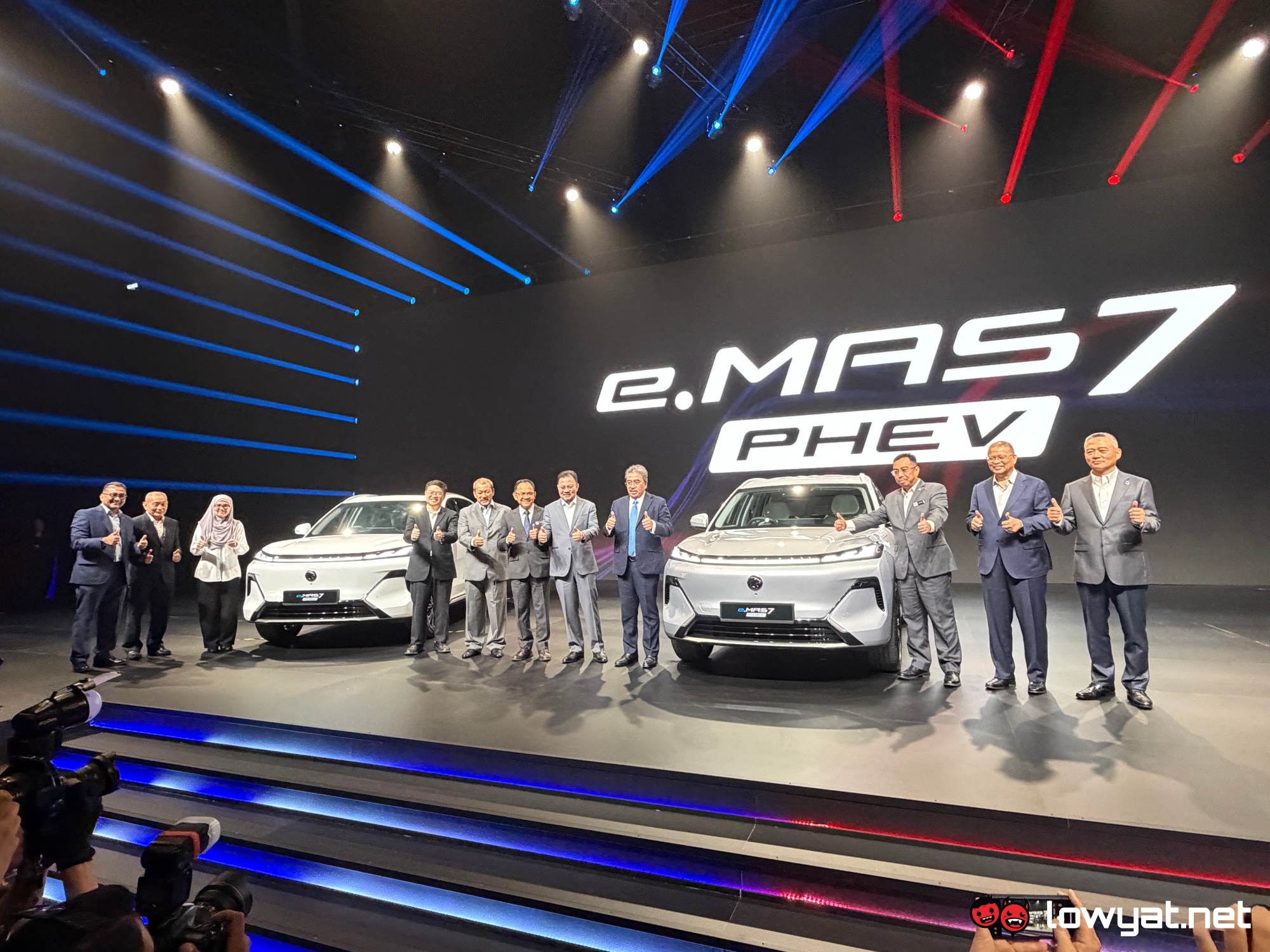
Lower-Priced EVs Still Possible Through CKD
As previously reported, the new regulations for completely built-up (CBU) EVs will come into effect on 1 July 2026. Under the revised policy, imported EVs must have a minimum cost, insurance and freight (CIF) value of RM200,000, along with a minimum motor output of 180kW. The updated ruling replaces an earlier MITI proposal announced just a few months ago, which had set a higher minimum selling price threshold of RM250,000 and a higher minimum power requirement of 200kW.
According to Sim, foreign automakers that want to continue offering EVs priced between RM100,000 and RM200,000 can still do so by assembling their vehicles locally through completely knocked down (CKD) operations. He also emphasised that MITI’s goal is to develop a “complete ecosystem” that includes manufacturing, supply chains, charging infrastructure, talent development, and innovation.
While the revised thresholds are lower than the original proposal, the policy would still effectively exclude many more affordable imported EVs currently available in Malaysia. Since the RM200,000 figure refers to CIF value rather than retail pricing, the actual selling price of qualifying vehicles could still end up significantly higher once taxes, duties, and distributor margins are factored in. Meanwhile, setting up CKD operations is not always immediate or financially viable for every automaker, especially newer brands or companies with smaller sales volumes in Malaysia.

Semiconductors A Key Advantage
On a related note, the deputy minister also revealed during the same event yesterday that Malaysia is targeting to achieve Level 3 autonomous driving capability by 2030. The government is currently looking at areas such as regulations, infrastructure readiness, semiconductor integration, and industry collaboration as part of that roadmap.
Sim highlighted Malaysia’s semiconductor sector as one of the country’s major advantages in the push towards EVs and autonomous driving technologies. As modern vehicles become increasingly software-driven and chip-dependent, he said Malaysia is in a strong position to benefit from the growing overlap between automotive and semiconductor industries.
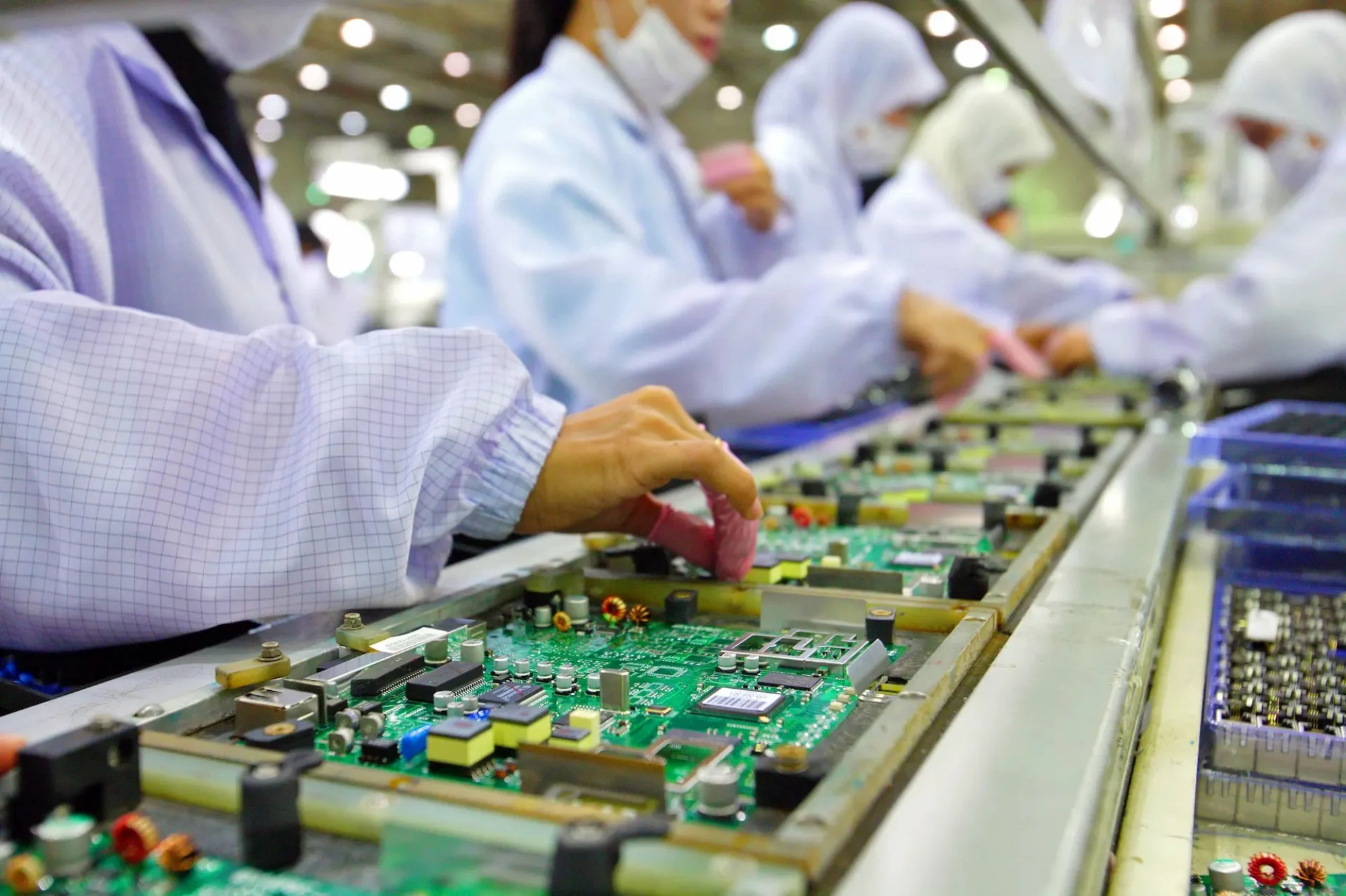
“Malaysia is currently the world’s sixth-largest exporter of semiconductors,” he said. “We have a well-established manufacturing base, strong capabilities in assembly and testing, and a growing presence in design and advanced packaging.”
Sim added that the government wants to create a more integrated ecosystem where the automotive and semiconductor industries work closely together. He said this would help Malaysia capture greater value, strengthen its technological capabilities, and position the country as a key player in next-generation mobility solutions.
(Source: The Edge Malaysia)