Electronic Arts (EA) has long been one of gaming’s more controversial publishers, with players frequently criticising the company over aggressive monetisation practices, troubled game launches, and its handling of several studios it acquired over the years. The publisher’s latest move is unlikely to change that perception, having announced a new initiative called EA Advertising.
While EA already incorporates ads into its games, the new platform helps advertisers create more sophisticated in-game campaigns across the company’s portfolio. In its announcement, EA specifically highlighted its EA SPORTS FC and Madden NFL franchises as examples of titles that can host such activations.
Ad Delivery Methods
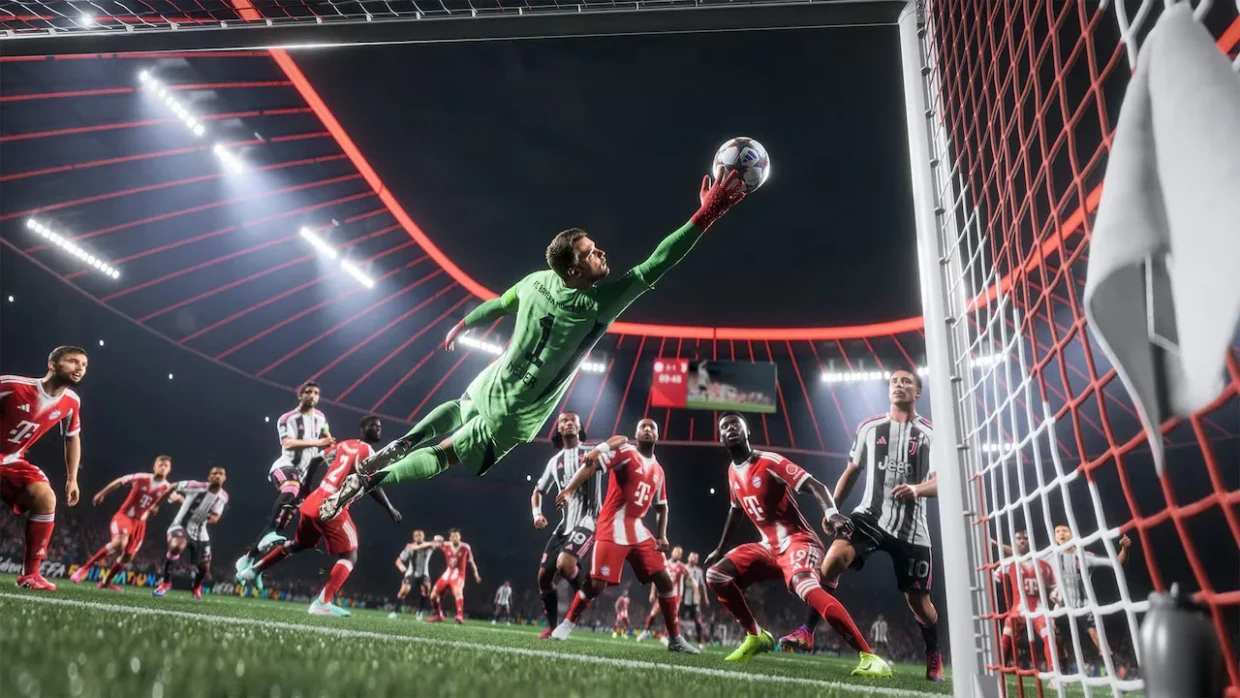
The press release states that EA Advertising will deliver branded experiences through in-game challenges, reward-driven objectives, and branded content. Brands can also create custom vanity items, integrating their products and identities directly into gameplay.
The platform also supports more traditional advertising formats, such as digital ad boards, scoreboards, and branded broadcast overlays. EA is primarily showcasing these opportunities through its EA SPORTS titles, but the initiative extends beyond sports games. The company is also launching the EA SPORTS Partner Program, which enables brands to take part in marketing campaigns that span both EA’s games and real-world activations.

A Bad History And Why It’s Deserved
We’d like to point out that we weren’t exaggerating when we mentioned that EA has a controversial history. The company is notorious for acquiring well-known studios and mistreating its titles before closing the studio altogether. A prime example of this would be EA’s treatment of Origin Systems and its Ultima series. After acquiring the company back in 1992, EA developed and launched Ultima VIII: Pagan and Ultima IX: Ascension, despite protests from Richard Garriott, Origin Systems’ founder. Both of these titles, naturally, received poor reviews. Eventually, the EA shut the studio down in 2004.
While EA has not seen major studio closures on the scale of its earlier restructuring years since 2017, the publisher continues to face criticism over the overall quality of some of its releases at launch. Titles such as Star Wars Battlefront II and Mass Effect: Andromeda were both heavily criticised by players and reviewers.
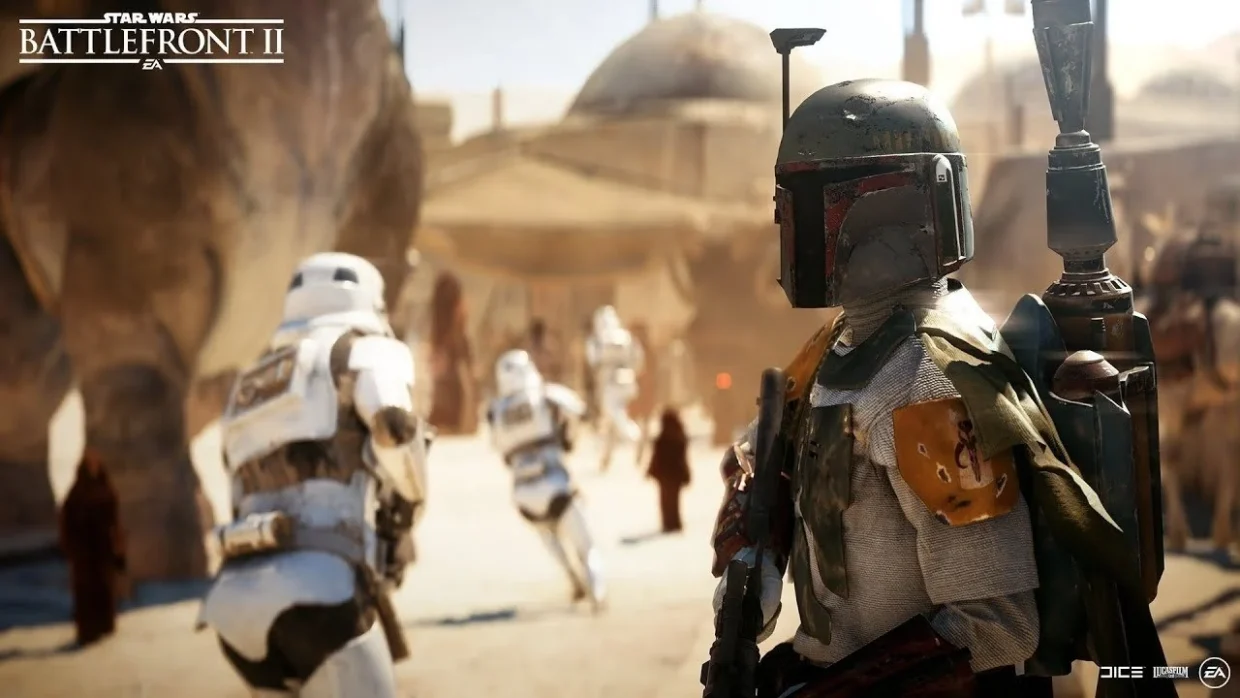
The former drew widespread backlash over its progression system and loot crate mechanics, which many described as heavily monetised and leaning towards “pay-to-win” elements. Meanwhile, players and critics widely noted the latter’s technical issues and animation problems at launch, with some players also reporting difficulties getting past the game’s initial loading or launch screens.
The publisher has also faced criticism over its release strategy. While EA occasionally introduces new IPs, some observers argue that development on these projects can “crawl along at a snail’s pace“. On the other hand, players and critics frequently reprehend the publisher’s annual franchises such as EA Sports FC and Madden NFL for delivering only incremental updates between releases.

EA has long been one of the more controversial names in the gaming industry, with the publisher previously ranked fifth on 24/7 Wall St.’s “Bad Reputation: America’s Top 20 Most Hated Companies” list published via USA Today in 2018. Against that backdrop, EA’s latest move is likely to reignite familiar debates around its approach to monetisation, especially among long-time players. As such, it is understandable if members of the gaming community will be doubly careful whenever they interact with any EA IP moving forward.
(Source: EA)