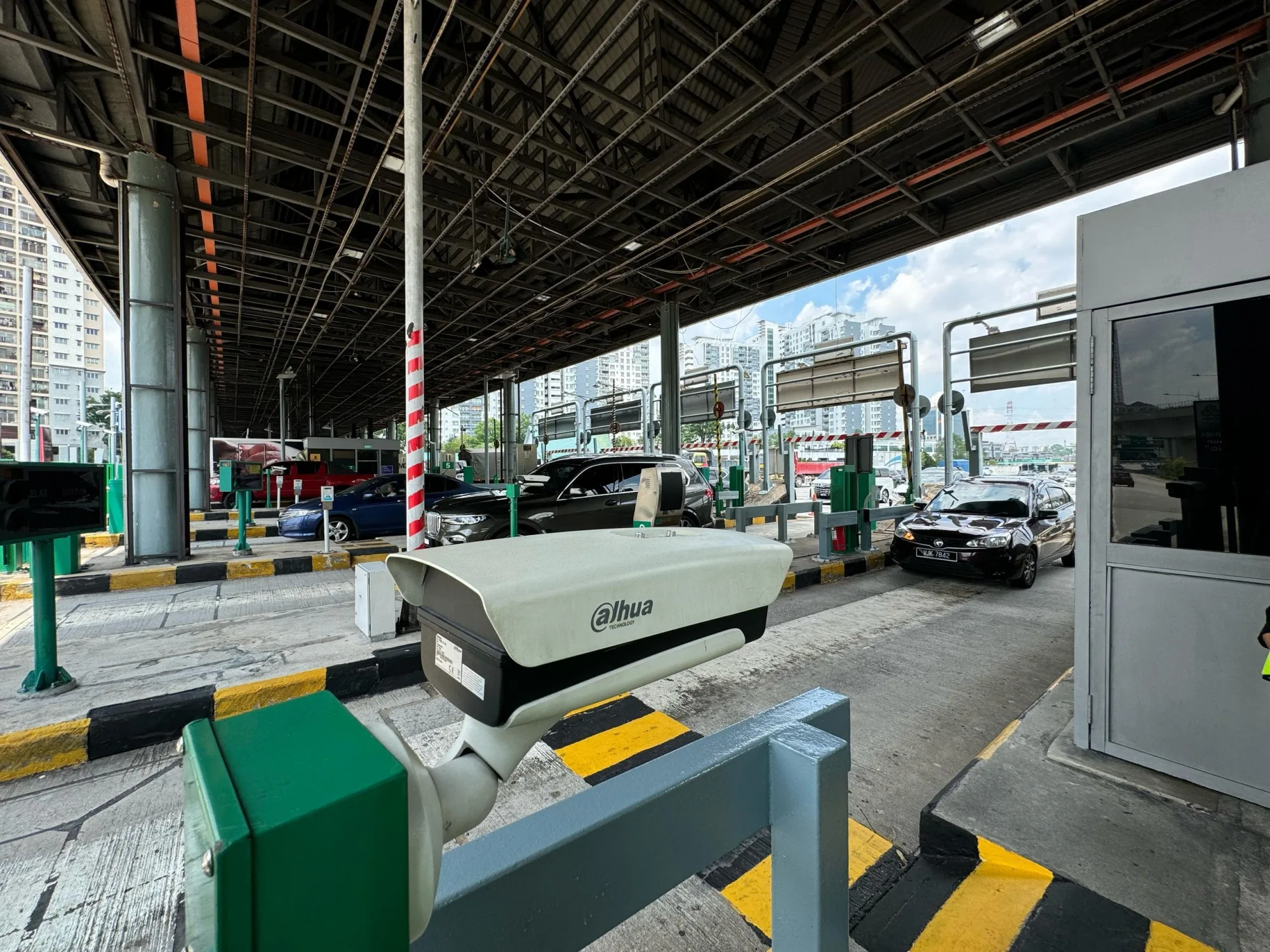
The government is working through enforcement and policy concerns ahead of the planned rollout of the Multi-Lane Free Flow (MLFF) toll collection system, particularly on how to handle toll evasion and repeated offenders. Speaking to the New Straits Times (NST), Works Minister Datuk Seri Alexander Nanta Linggi said the authorities are trying to strike a balance between effective deterrence and fairness in enforcement.
Nanta said toll evasion is not a new issue and remains one of the key challenges being addressed in ongoing MLFF discussions. He noted that while many countries have successfully implemented MLFF systems, Malaysia’s main concern lies in managing revenue leakage from motorists who pass through toll points without paying.

He added that negotiations with concessionaires have taken longer than expected due to the need to ensure that losses from non-payment remain minimal. According to him, all stakeholders want assurances that even small levels of leakage are properly addressed, as it still represents lost revenue for the system.
On the question of enforcement, including whether toll evasion should be criminalised, Nanta said the government is still reviewing possible approaches. He pointed out that while fines can act as a deterrent, some motorists may become accustomed to paying penalties without changing their behaviour, while harsher measures such as jail terms could be excessive.
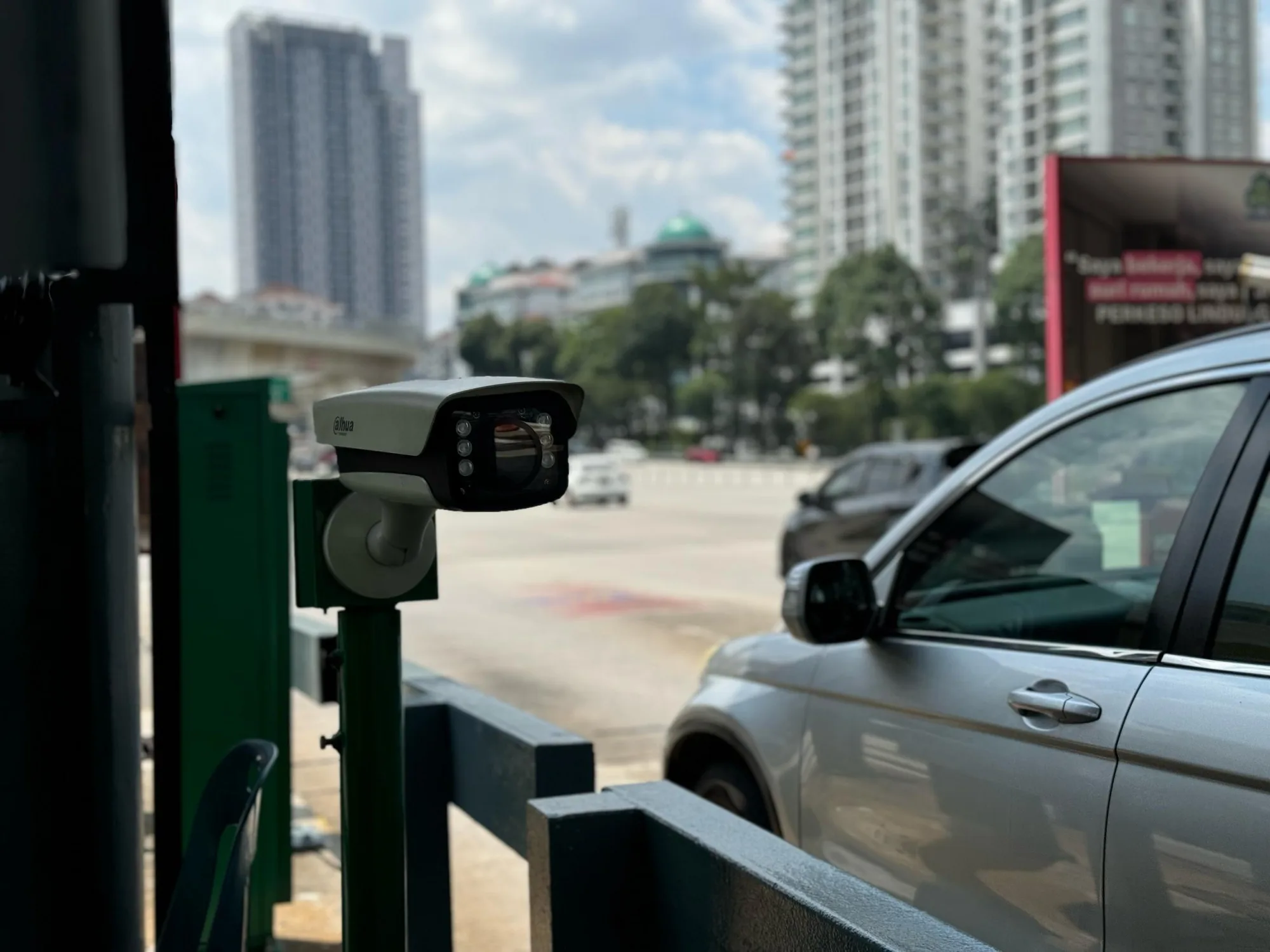
He further stressed the need for safeguards within the system to prevent motorists from being wrongly flagged as toll evaders. Discussions are also ongoing over which authority should take responsibility for enforcement actions once the MLFF system is implemented.
As for recent developments, earlier discussions and policy direction for the system have centred on a business-to-business (B2B) model involving highway concessionaires, alongside ANPR-based open payment tolling as the core technology underpinning the shift to barrier-free highways. Building on that direction, PLUS Malaysia expanded its ANPR-based open tolling pilot on the North–South Expressway in January 2026, testing “lane freedom” usage along selected stretches to evaluate traffic flow, system reliability, and enforcement readiness ahead of wider implementation.

Meanwhile, the government also revealed plans in November 2025 to strengthen the legal framework supporting MLFF, including proposed amendments to the Federal Roads Act 1959, the Road Transport Act 1987, and the Malaysian Highway Authority (Incorporation) Act 1980. The changes are intended to support enforcement mechanisms, particularly in relation to toll evasion and jurisdictional authority.
As for the full rollout, the Multi-Lane Free Flow (MLFF) system is now expected to be implemented as early as 2027, depending on the completion of legal amendments, stakeholder agreements and system readiness across concessionaires. The timeline remains subject to change as the government finalises key technical and enforcement frameworks.
(Source: NST)