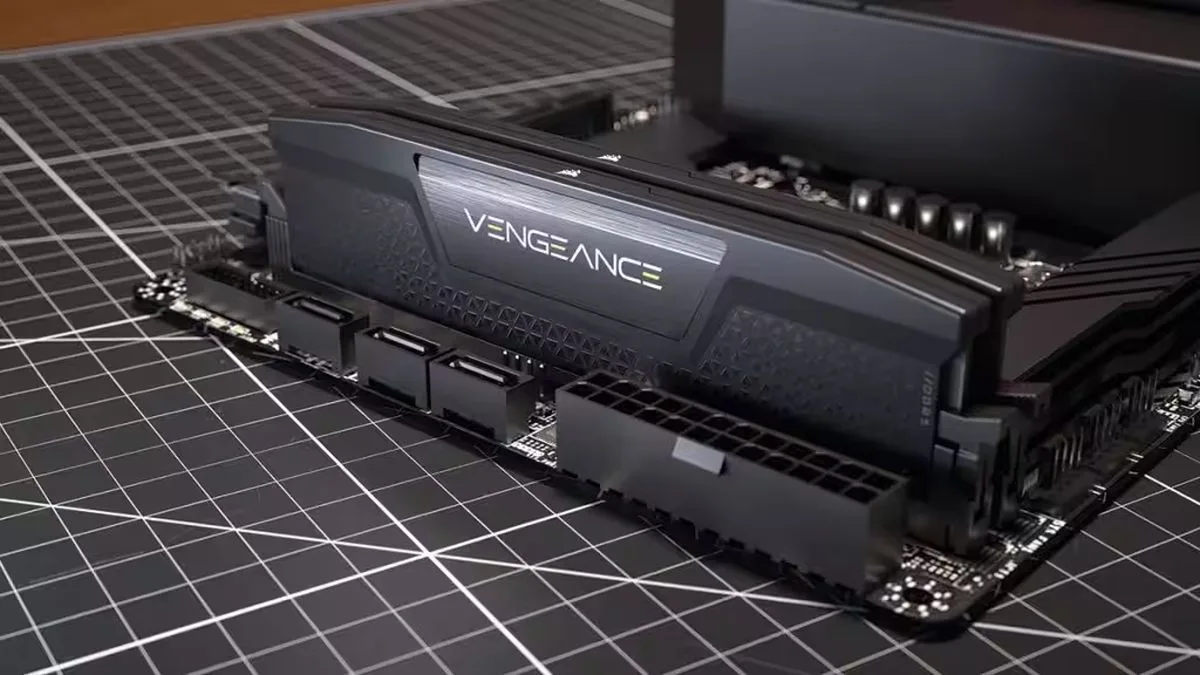
In the wake of RAM-mageddon, many popular brands and makers of memory modules have resorted to seeking out more cost-efficient alternatives in the market. From the looks of it, this already seems to be the case with the memory brand Corsair, which has allegedly started using DRAM modules from Chinese memory chip manufacturer, ChangXing Memory Technologies, or CXMT.
Screenshots captured by tipster @wxnod of the memory specifications (taken from CPU-Z) were posted on X. Based on the information, the RAM stick is a 16GB DDR5 stick, running at 6,000MT/s, has CL timings of 36-44-44-96, appears to support both Intel XMP and AMD EXPO, and the part number “CMK5X16G3E60C36A2-CN”. The last two letters at the end clearly indicate that the module is using Chinese-made parts.
More specifically, CPU-Z indicates that the memory modules being used are from CXMT. For the uninitiated, CXMT is considered to be the largest memory chip manufacturer in China, although it should be noted that it only announced its DDR5 lineup last year. In terms of market share, it reportedly holds around 7.7% of the global DRAM market and serves many Chinese tech giants, including Alibaba, Tencent, and ByteDance, to name a few.
Before this, the company was manufacturing LPDDR4 and DDR4 RAM on a mass scale, and only began manufacturing DDR5 as recently as 2025.
Mere Coincidence, Or Swooping In To Fill The Gap?
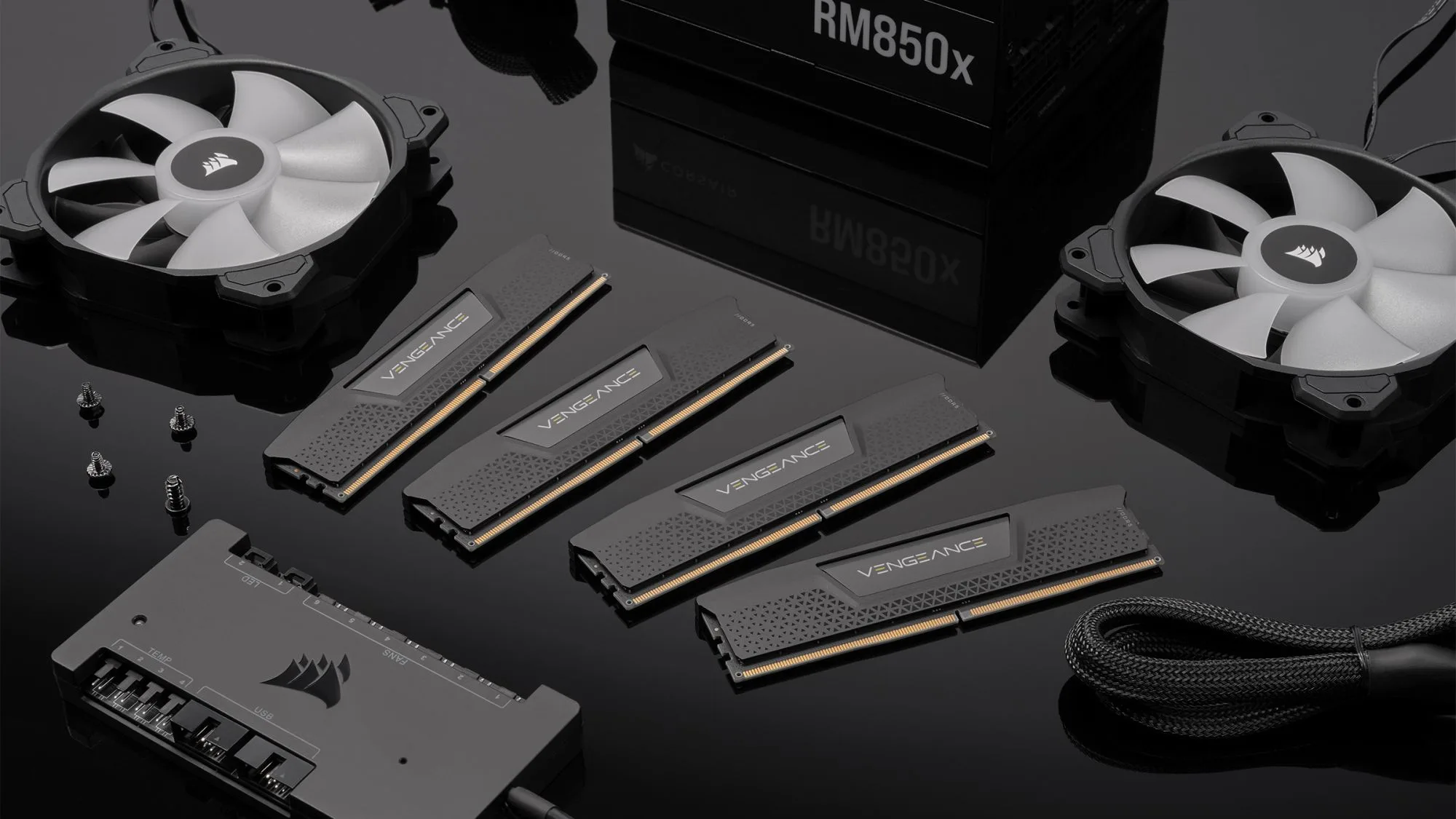
Considering just how constrained the memory market is right now, CXMT’s appearance in the memory market isn’t so much a coincidence, but rather, a business opportunity and good timing on the company’s part. As major global tech giants like NVIDIA, AMD, ARM, and Qualcomm have swept up all current and future memory chip stock for their AI hyperscale endeavours, memory chips in the consumer market segment has been made scarce and, in turn, cause the price of that once affordable component to skyrocket.
RAM-mageddon has been just as good to CXMT, too. The company reportedly saw its Q1 revenue for this year rise to US$7.4 billion (~RM29.3 billion), a 719% year-on-year increase for them. This has enabled the company to get a listing on the Shanghai Stock Exchange, as well as to plan for a multi-billion ringgit IPO later in the year.