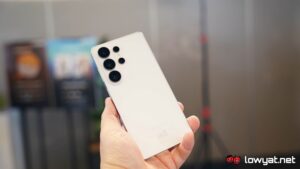
Earlier this week, Samsung unpacked the Galaxy S26 Ultra alongside the base and Plus models. Contrary to prior rumours, the tech giant decided not to follow in Google’s footsteps. The lineup skips the built-in magnets, dashing hopes for proper Qi2 support. As such, users will have to settle for magnetic cases. However, it seems using third-party cases might cause problems for the Ultra model, particularly in terms of S Pen functionality.
According to an X post by tipster Max Jambor, the phone will display a warning when a third-party Qi2 magnetic case is attached. The system notification tells the user that magnets in accessories can interfere with the S Pen’s signal. Additionally, the notification suggests removing the accessory in the event of connection or writing issues.
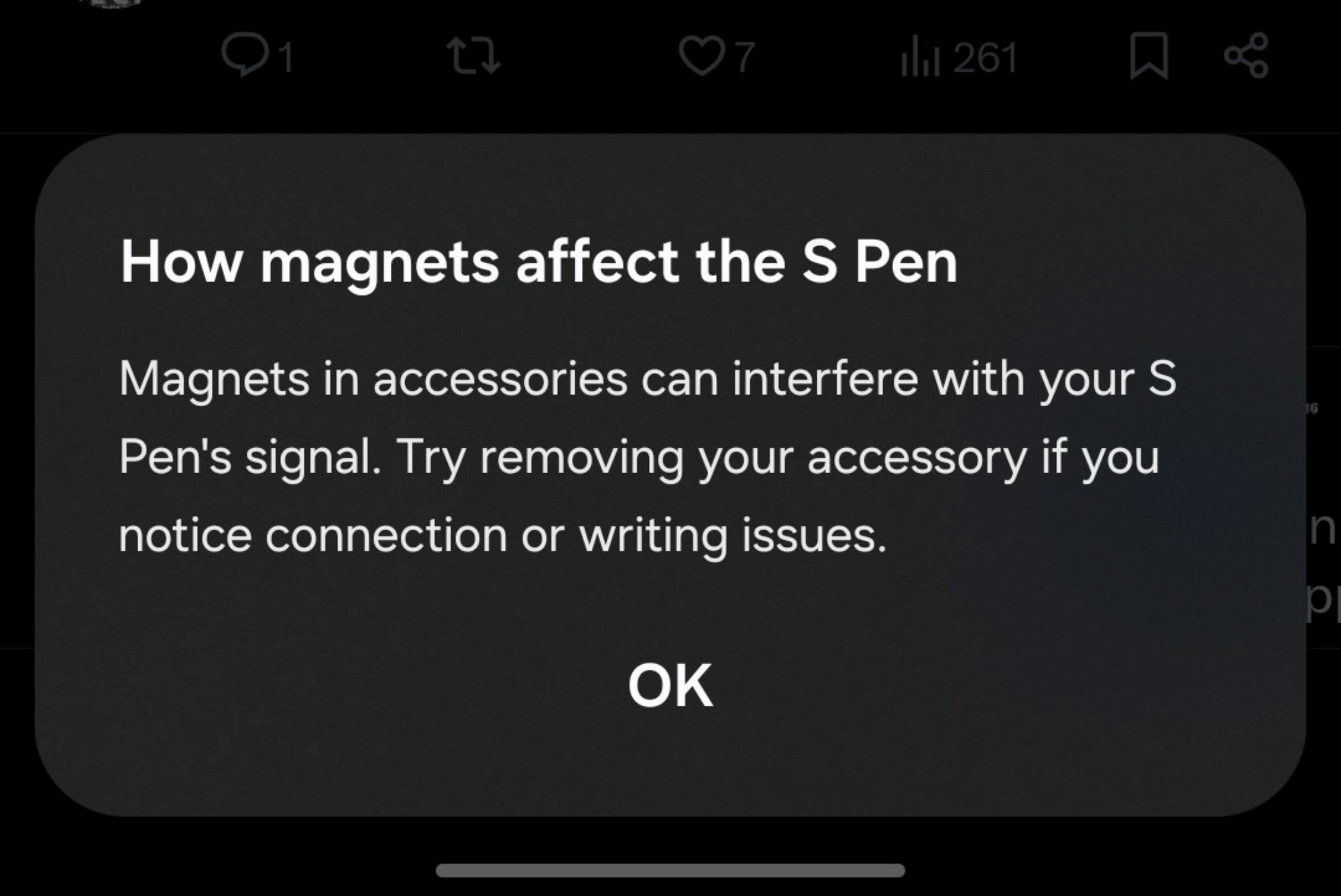
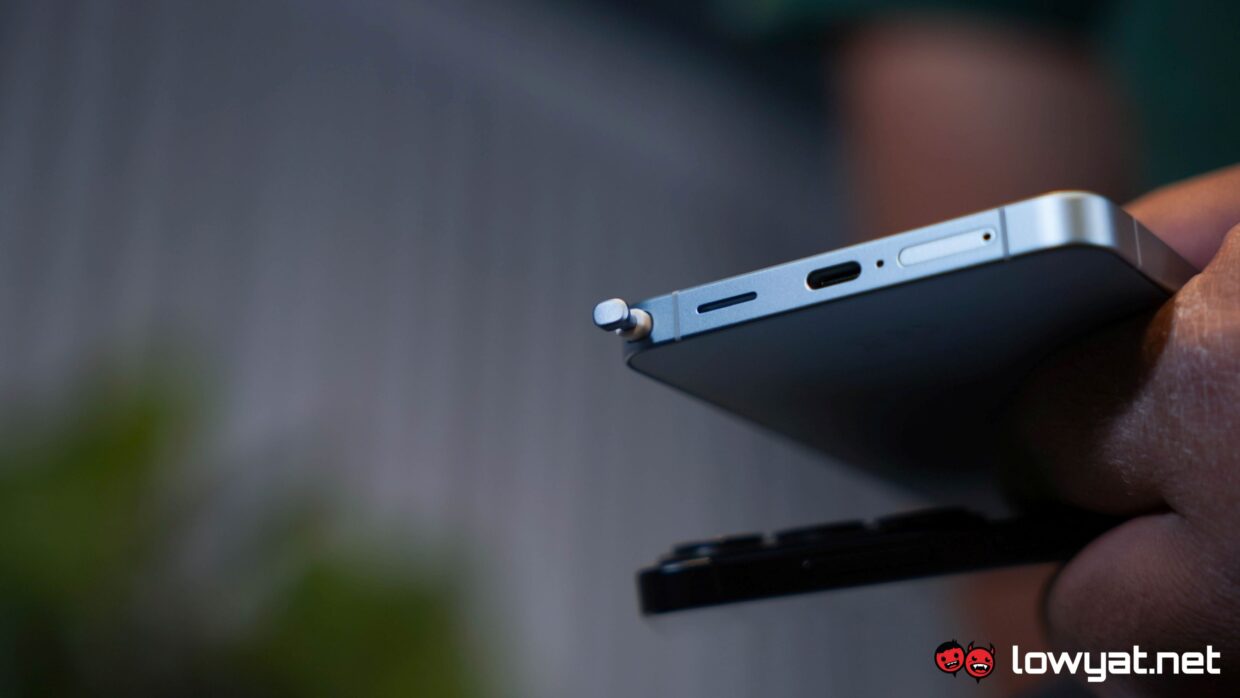
There are two things to note here. The first and more obvious is the subject of magnets. While there have been whispers of Samsung working on new tech for the S Pen, the S26 Ultra’s stylus is more or less the same as the previous generation, even if it gets a slightly different design. Basically, a digitiser layer under the phone’s screen creates an electromagnetic field. This interacts with the S Pen to determine its position.
Of course, the presence of any other magnetic field will interfere with this, creating areas where the stylus won’t work as the screen can’t “see” it anymore. This may explain Samsung’s reluctance to pack magnets into its devices. Doing so could require more trade-offs, and the removal of Bluetooth support from the S Pen already drew some ire. Either way, magnets don’t play nice with the stylus, hence the warning.
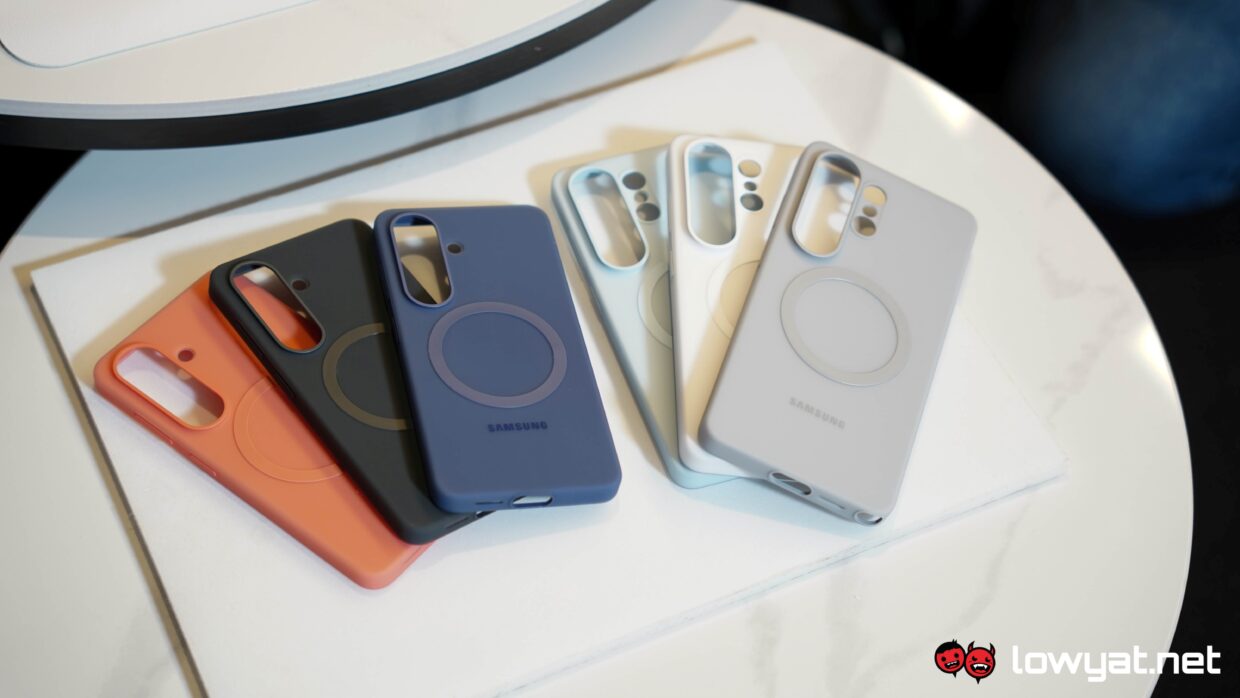
Except Samsung sells first-party magnetic cases, including for the S26 Ultra. What’s more, the warning message apparently does not appear with these cases. This has led to speculation that the brand is simply trying to discourage users from acquiring third-party accessories. But it’s also possible that the company’s own cases are designed specifically to minimise interference, while third-party manufacturers may not achieve this.
In any case, it’s still too early to tell if this will be a significant issue. Samsung certainly thinks it’s notable enough to warrant a warning.
(Source: Max Jambor via X)