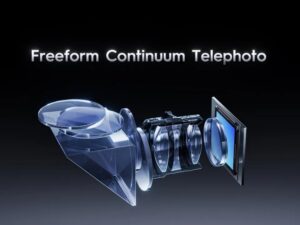
Many modern smartphones, particularly photography-focused models, feature multiple cameras. When zooming in, these phones will switch between lenses. This leads to jumps and hue shifts as the devices make the swap. To address this issue, Tecno has unveiled a camera system with seamless, lossless optical zoom capabilities.
Announced at the company’s Future Lens 2025 event, the Freeform Continuum Telephoto is one of two new technologies introduced. As the name suggests, this system offers “true continuous optical zoom” from 1x to 9x with a single camera. Furthermore, it uses a freeform architecture for a less bulky design.
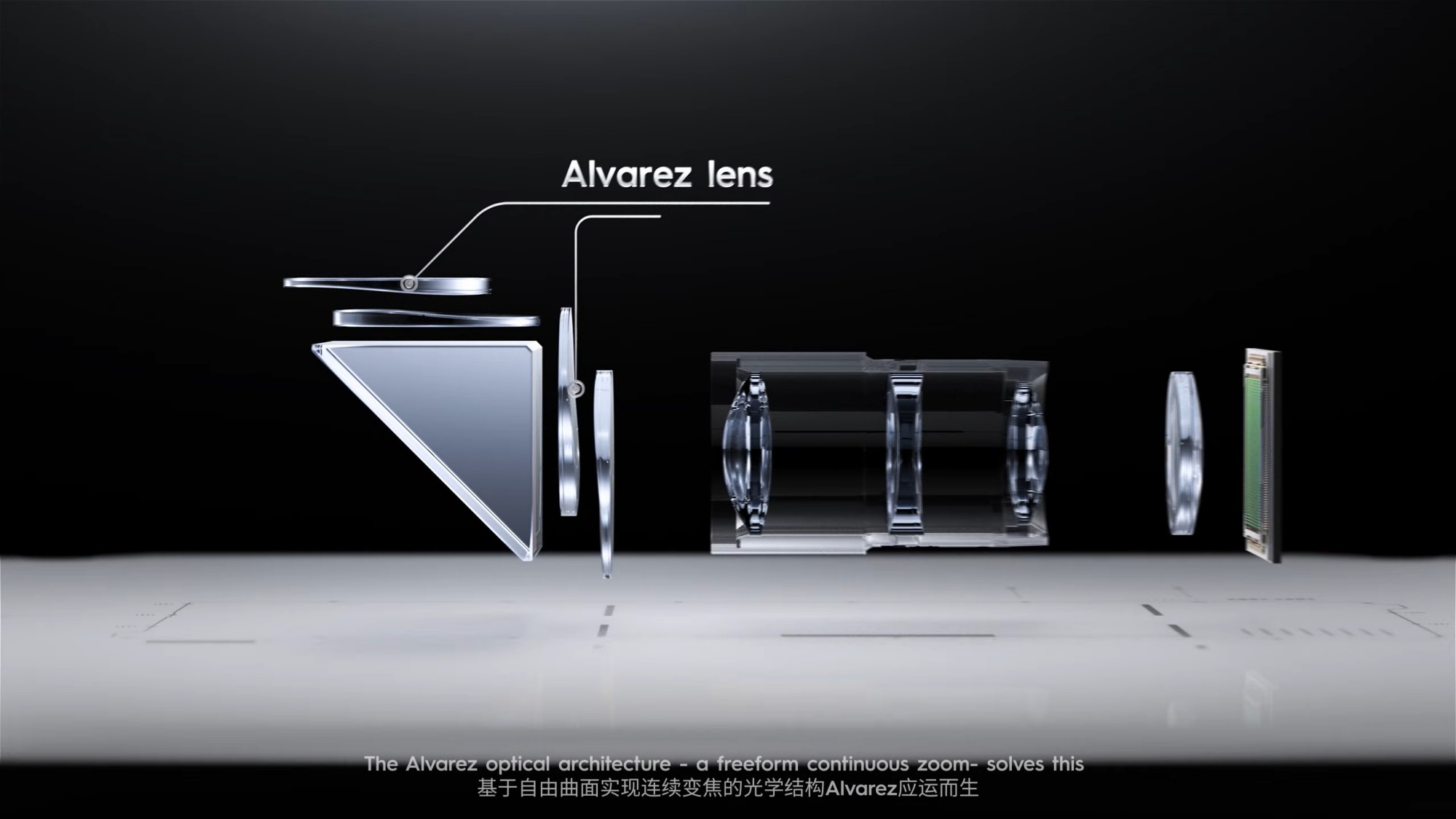
In essence, the Freeform Continuum Telephoto eliminates the need for multiple separate cameras and can allow for more consistent results when framing shots. For now, though, the system is still in development and won’t be ready for phones anytime soon. Apparently, it will be featured in devices after about a year, with Samsung and Largan handling production once the design is final.
Meanwhile, the other system, called the Dual Mirror Reflect Telephoto, aims to reduce the overall size of the lens. It uses two mirrors to focus light, not unlike the mirror lenses found in dedicated cameras. This mirror-based design allows for a more compact module that is much smaller than the typical telephoto unit. To be precise, this system reduces the height by 10%, and the length by 50%, as Tecno claims.
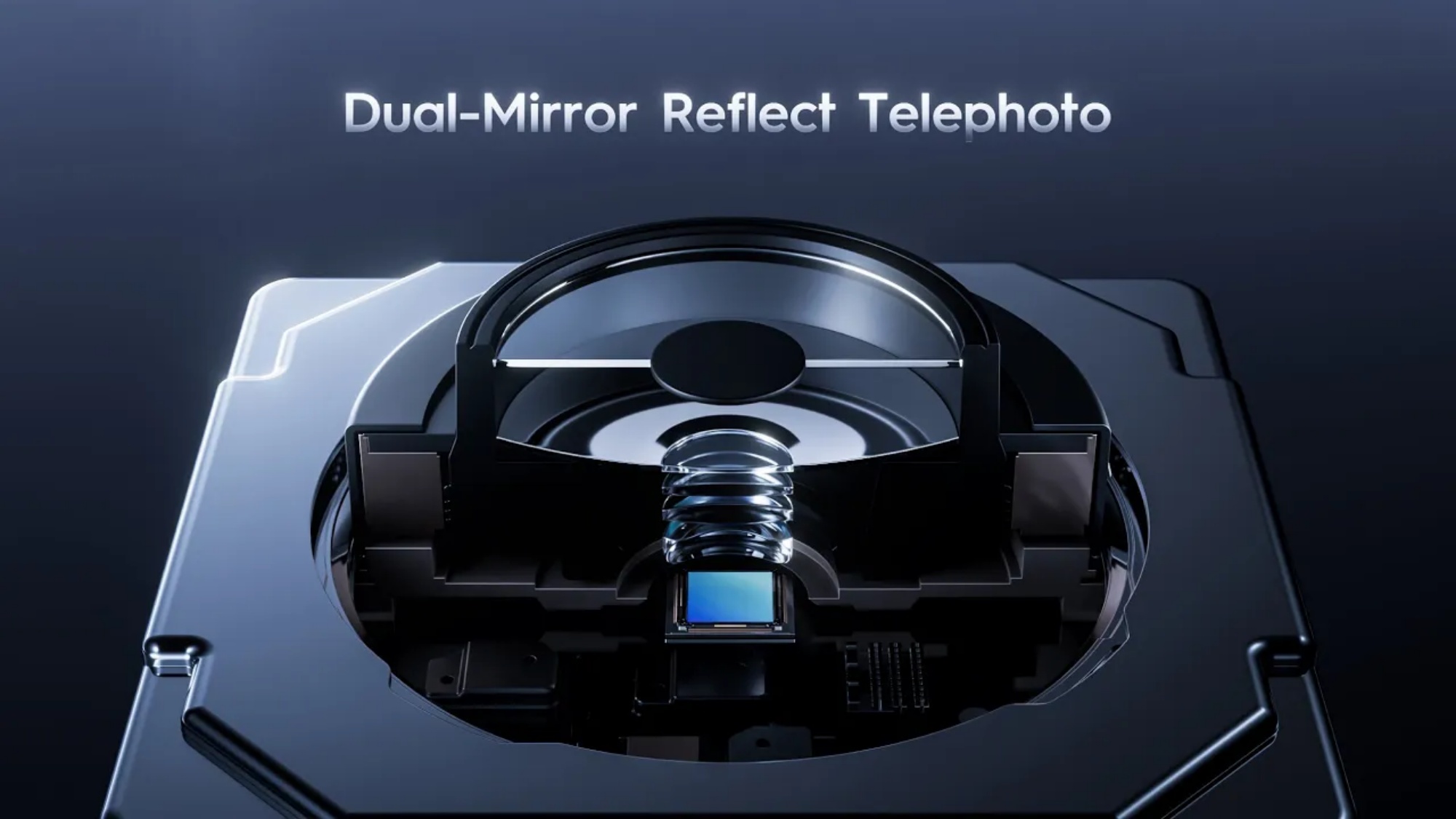
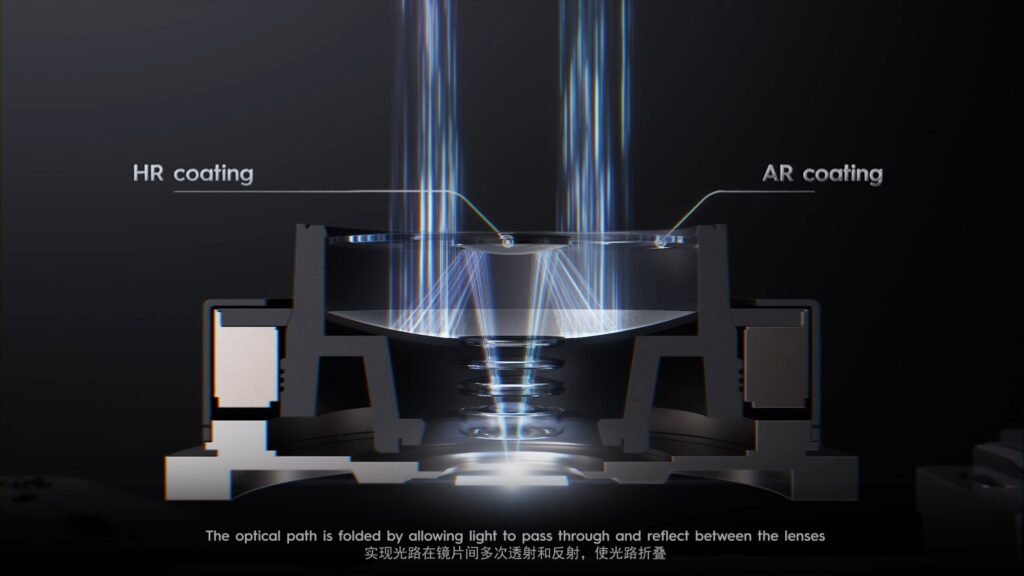
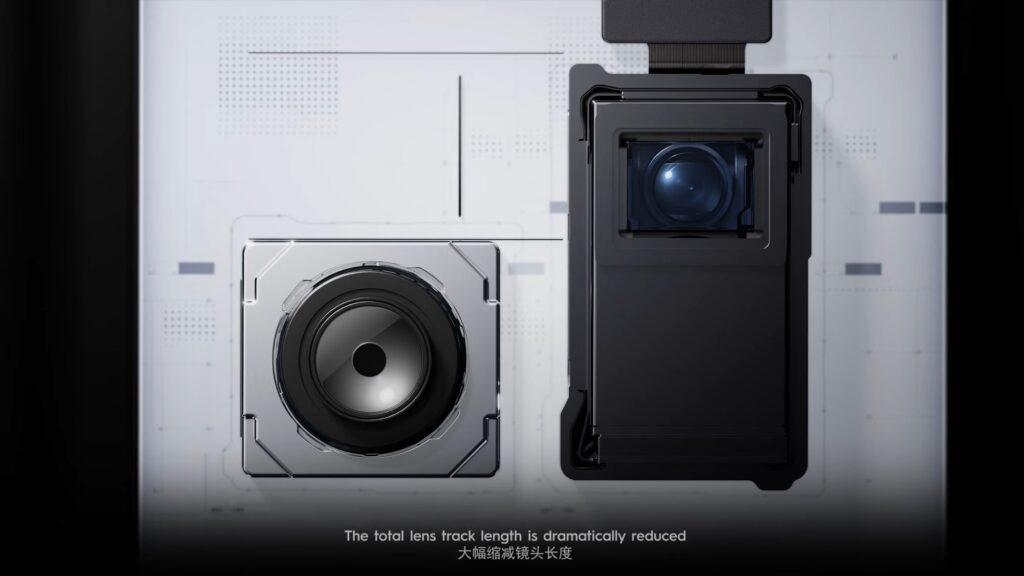
Aside from that, the Dual Mirror Reflect Telephoto produces a distinctive ring-shaped bokeh. While this may not be a particularly glaring issue, there is one other potential problem. More specifically, this system loses one stop of light. Of course, it’s hard to say how the system will compare to existing cameras yet, but Tecno believes that it is ready and could debut with next year’s phones. That is, as long as the testing teams have given their approval.
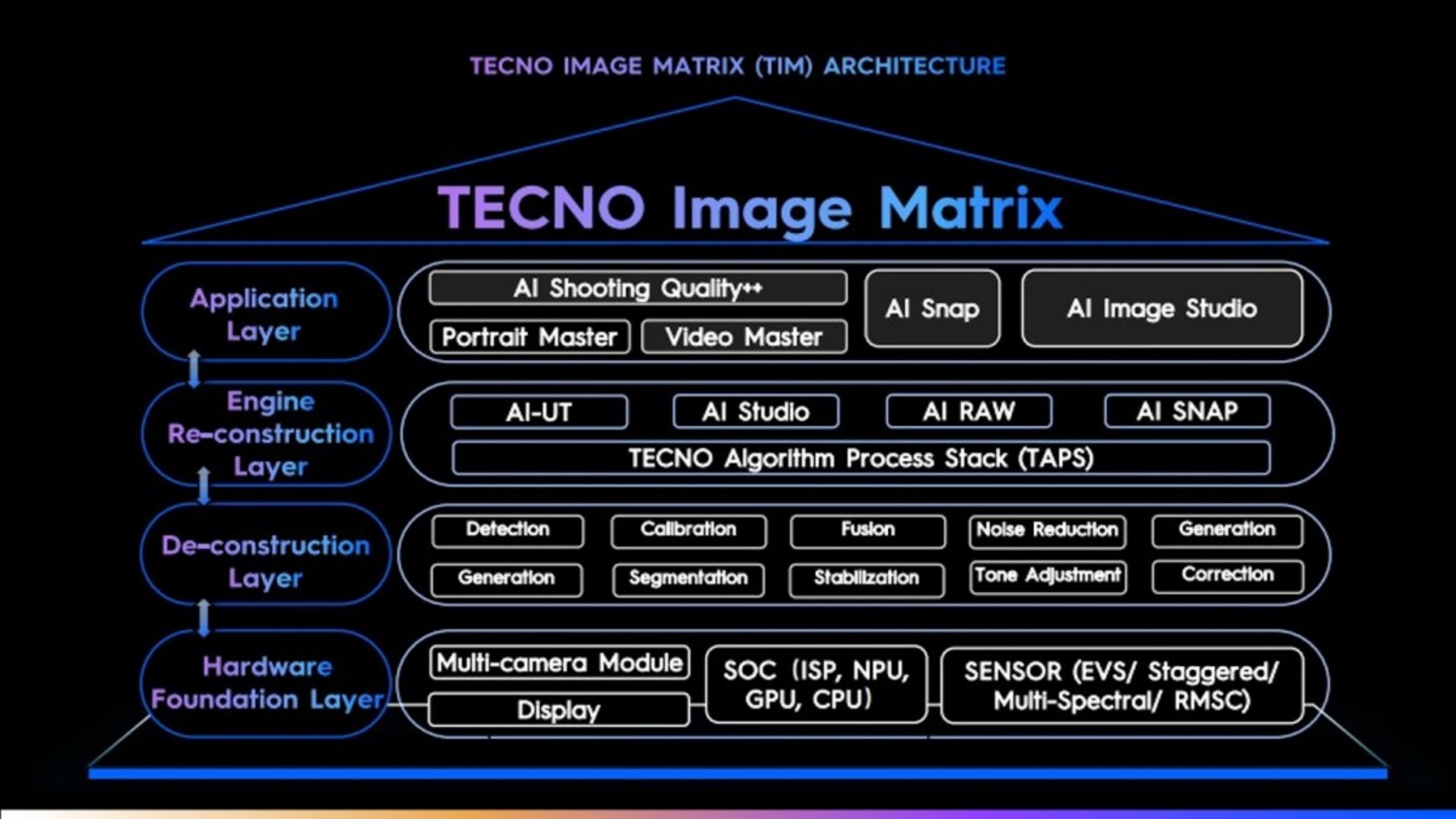
In addition to introducing the two concepts, the brand also offered an overview of its imaging system, dubbed the Tecno Image Matrix (TIM). Essentially, it ties hardware, software, and processing into one setup. According to Tecno Director of Image R&D Center Xiaohan Huang, the company is transitioning from simply capturing light to “intelligently understanding scenes”.
(Source: Tecno [1], [2], Notebookcheck)