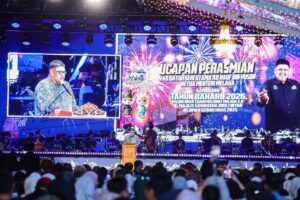
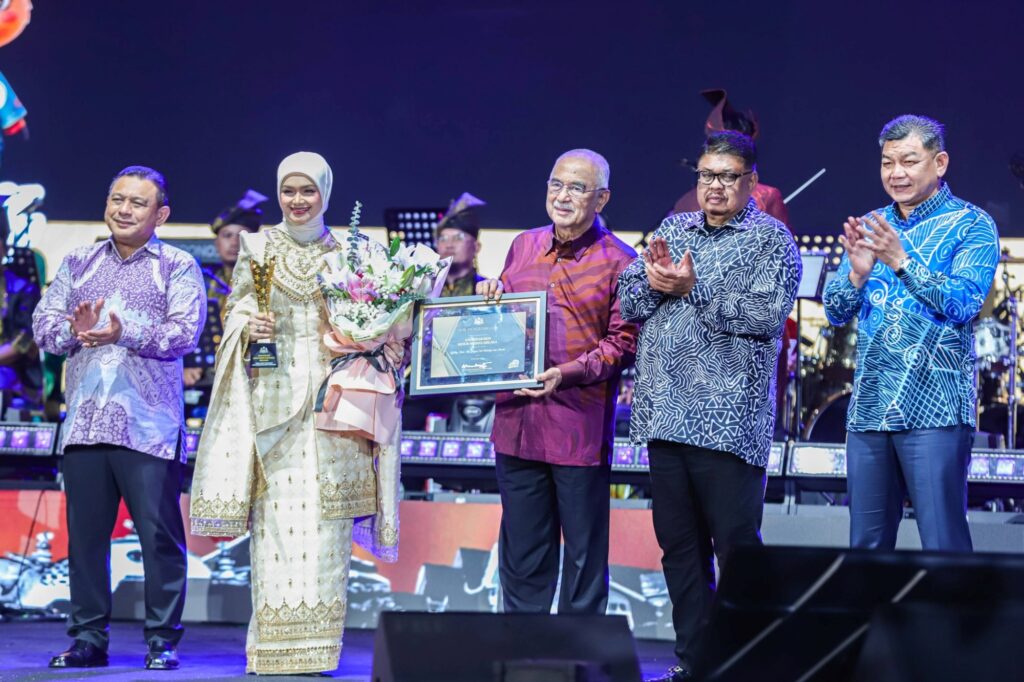
Melaka’s goal of becoming an AI-driven state is gaining momentum with the implementation of Smart Tourism Melaka AI and the introduction of the Visit Melaka 2.0 Tourism Passport. Chief Minister Datuk Seri Ab Rauf Yusoh said the initiatives embed smart technology into the foundation of Melaka’s tourism sector. He noted that the push is driving the state’s tourism transformation in tandem with Visit Melaka Year 2.0 and ahead of Visit Malaysia Year 2026.
“In line with Melaka’s aspiration to become an AI-driven state, the state government is strengthening digital tourism to provide a smarter, more efficient and competitive experience for visitors,” Ab Rauf said during the 2026 New Year’s Eve celebration at Encore Melaka. He also claims that the implementation of AI can help attract 19 million visitors by 2026, with more than 220 events planned and backed by digital systems and AI. He mentioned that the approach would not only make travel easier for visitors but also help strengthen the state’s image as a modern destination.
This ultimately begs the question of how exactly AI will impact Melaka as a whole? According to OpenGov Asia, AI technologies are being deployed to enhance safety, logistics, and crowd management at major events. It will also feature real-time monitoring tools that can identify congestion hotspots, while predictive models help authorities decide where to allocate staff or adjust traffic flows. Together, these systems improve visitor experiences and ensure tourism services remain reliable during peak periods.
The platform continues by saying that Melaka is using AI as a “catalyst for broader economic benefits”. AI can help policymakers assess the impacts of tourism more accurately, plan infrastructure investments, and design targeted marketing strategies for emerging markets. The ability to gather and analyse large amounts of travel data enables long-term planning that promotes sustainable growth while preserving environmental and cultural balance.
As mentioned above, the initiatives also support the state’s goal of attracting more visitors through innovative experiences. Organisers are using digital platforms to manage registrations, coordinate schedules, and provide real-time updates for over 220 upcoming events. Visitors will be able to access itineraries, maps, and service details through centralised information hubs, helping to minimise confusion and enhance their overall experience.
More importantly, the shift toward an AI-enabled tourism model is tied to improving public sector capabilities, as government agencies adopt digital tools for licensing, approvals, and reporting, replacing paper-based processes with automated workflows. The transition aims to speed up turnaround times, increase transparency, and reduce errors caused by manual handling.
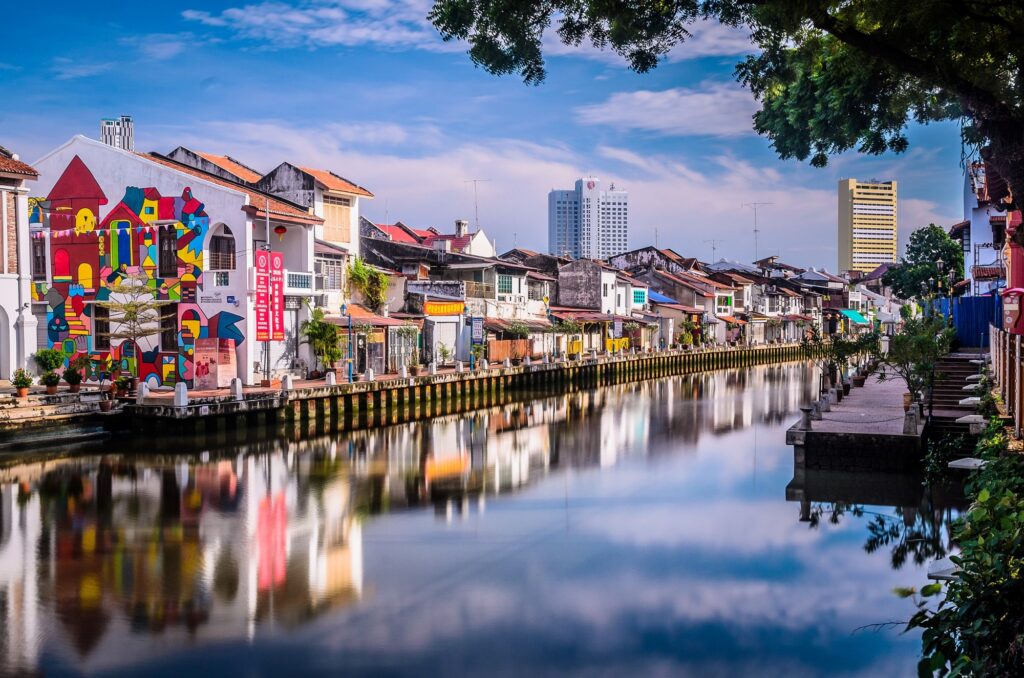
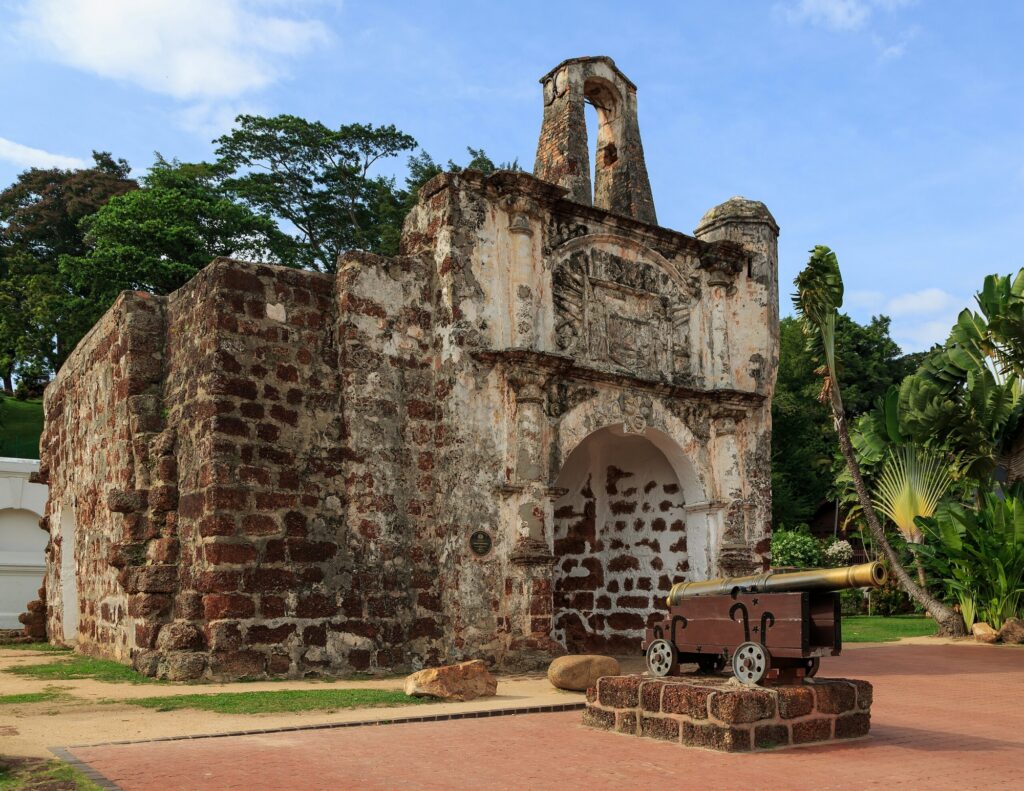
Further, Smart Tourism will not be exclusive to Melaka’s urban areas. The state is developing digital mapping tools, heritage documentation systems, and virtual interpretation platforms to showcase lesser-known destinations. These tools will let visitors experience cultural and historical sites with guided digital narratives, spreading tourism benefits more widely across communities.
OpenGov Asia said that the success of these initiatives will depend on sustained investment in cybersecurity, data governance, and digital literacy among tourism operators. The platform noted that the system needs to remain secure and user-friendly as reliance on automated processes rises.
(Source: OpenGov Asia, The Edge Malaysia)