
If you’re hoping to get a new phone, you may end up finding fewer options on the shelves this year. Apparently, some phone makers have lowered their full-year shipment forecasts due to the ongoing memory shortage. Among the brands are Xiaomi, OPPO, vivo, as well as Tecno and Infinix parent company Transsion.
Chinese outlet Sina.com reported that both Xiaomi and OPPO have reduced the quantities by more than 20%, while vivo has cut its projections to around 15%. As for Transsion, it has predicted less than 70 million units for this year.
Fewer entry-level and mid-range phones
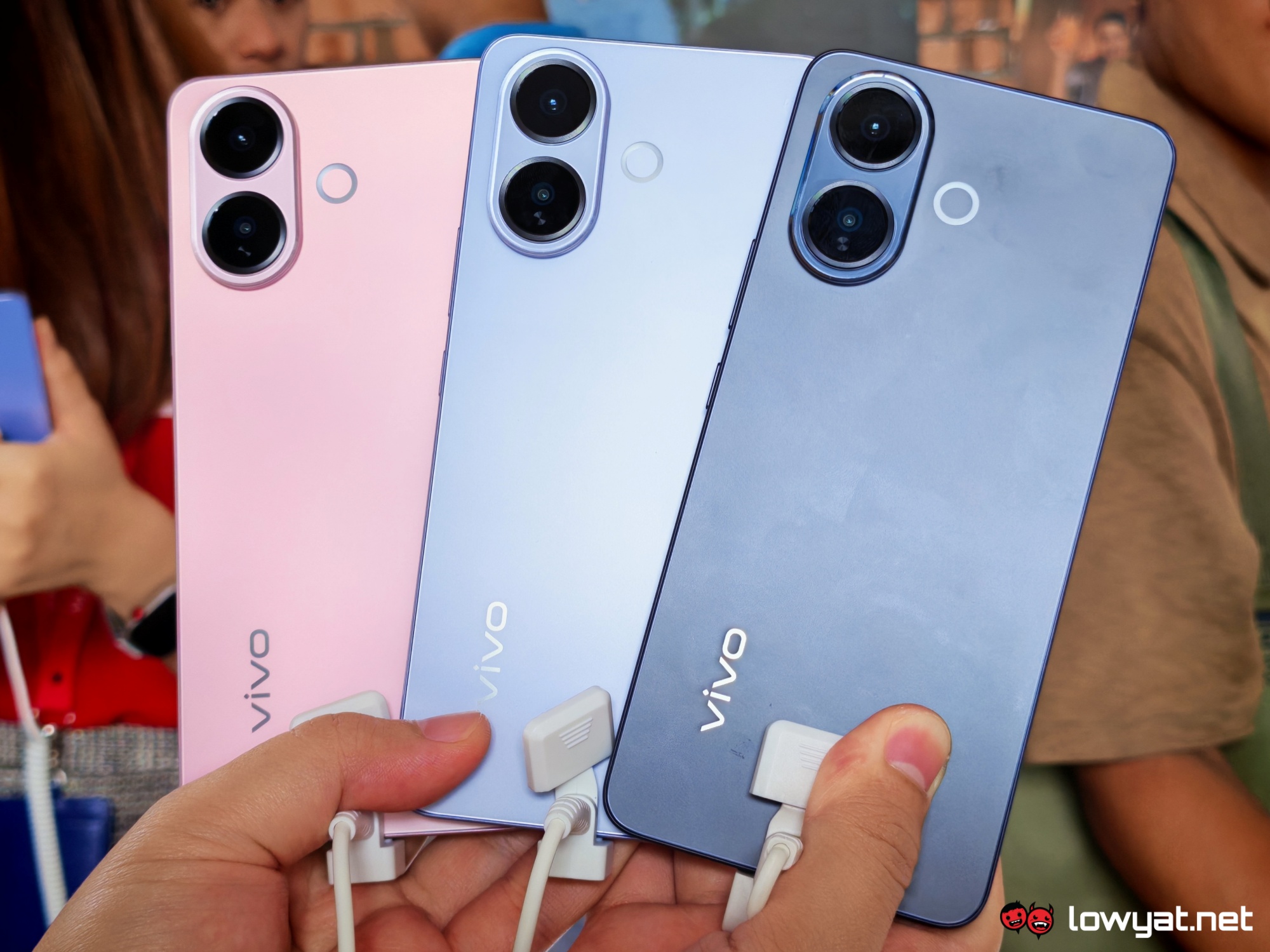 As per the report, all these companies are cutting shipments for devices in the low- and mid-range categories, as well as “overseas products”. Meanwhile, flagship phones remain unaffected by this change, as the brands intend to focus on the premium segment.
That said, the specifics are unclear at this point, so we will have to wait and see how it all pans out. It’s also possible that there might not be much of a difference on the consumer end of things. Citing internal sources, the publication explained that phone makers tend to over-report their shipments to secure resources from upstream manufacturers.
Additionally, Samsung and SK Hynix have reportedly not been informed of any changes. The outlet went on to note that the 20% reduction may be an exaggeration. In fact, the actual figure could be closer to 10%.
It’s all thanks to AI

According to the publication, this decision is due to the increasing storage prices. And predictably, the AI boom is at the scene of the crime. As we’ve covered multiple times before, the demand for industrial grade memory for AI infrastructure has motivated manufacturers to move away from consumer memory. The consequences of this shift are already evident, even for the end user.
Samsung and SK Hynix already plan to raise DRAM prices by around 60-70% this year. Memory prices are projected to remain high, and perhaps climb even further. With data centres expected to take up the lion’s share of memory chip production, the shortage may continue until 2029.
Smartphone makers must adapt
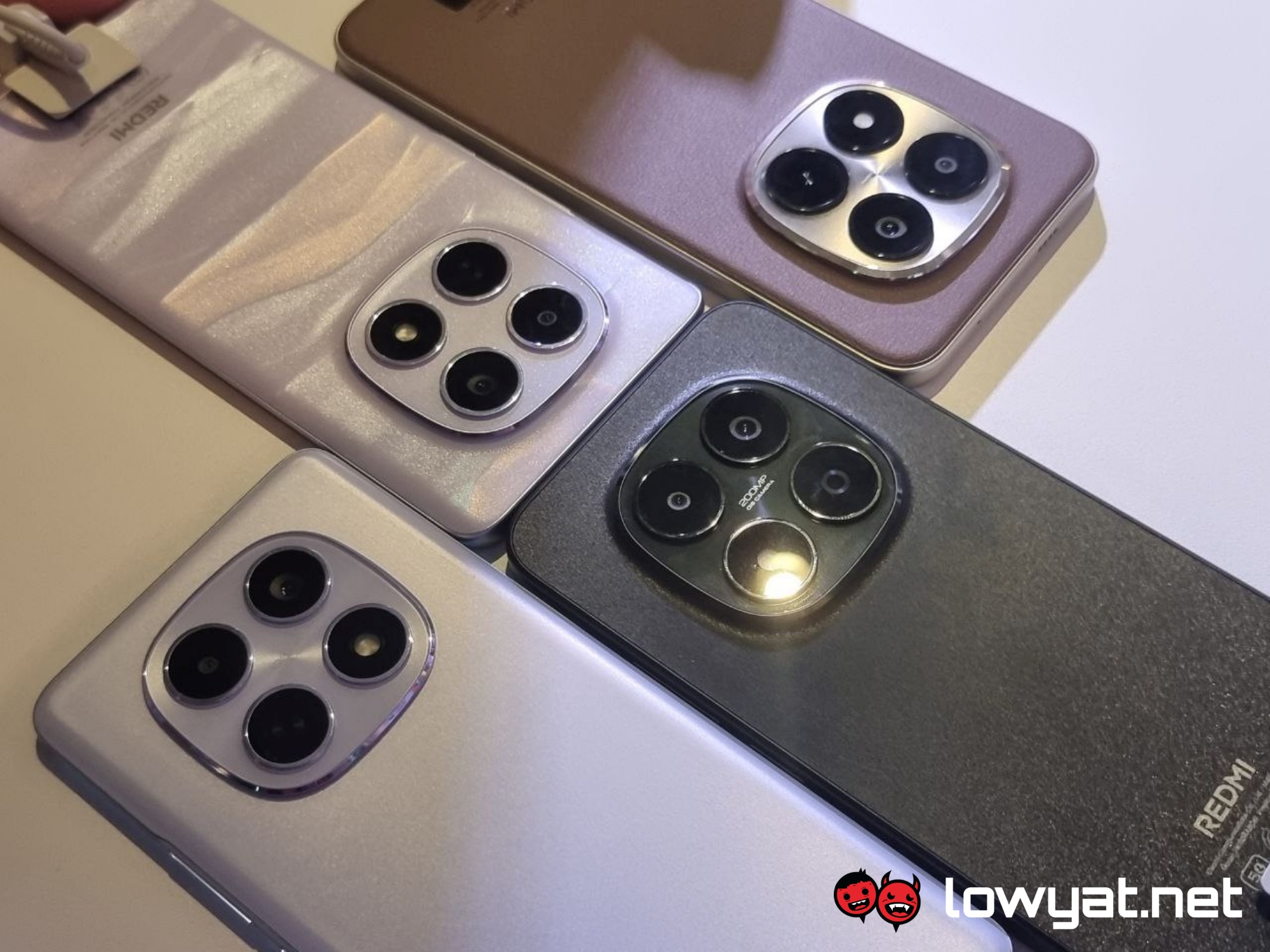
The memory shortage has caused manufacturers to rethink their strategies. Omdia analyst Amber Liu pointed out that in 2026, the industry is focusing more on aspects like pricing and the type of products customers are interested in buying.
Previous reports suggested that Samsung could increase the prices of its Galaxy A and M lineups in certain markets while leaving the flagship S series largely unscathed. On the flip side, Huawei is allegedly considering lowering the prices for some of its phones to bolster its market share.
(Source: Sina.com)