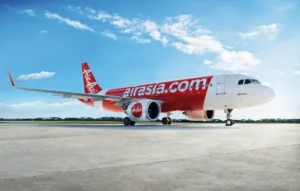
If you’ve been following aviation news over the weekend, you might have seen reports about a global “scramble” involving Airbus A320 aircraft. It sounds like the plot of a sci-fi movie: intense solar radiation potentially messing with flight computers.
Well, the good news for local flyers is that AirAsia has officially announced they have completed all the necessary requirements mandated by the European Union Aviation Safety Agency (EASA). According to a press statement released today, the airline’s operations are now back to normal after a frantic 24-hour compliance blitz.
What Actually Happened?
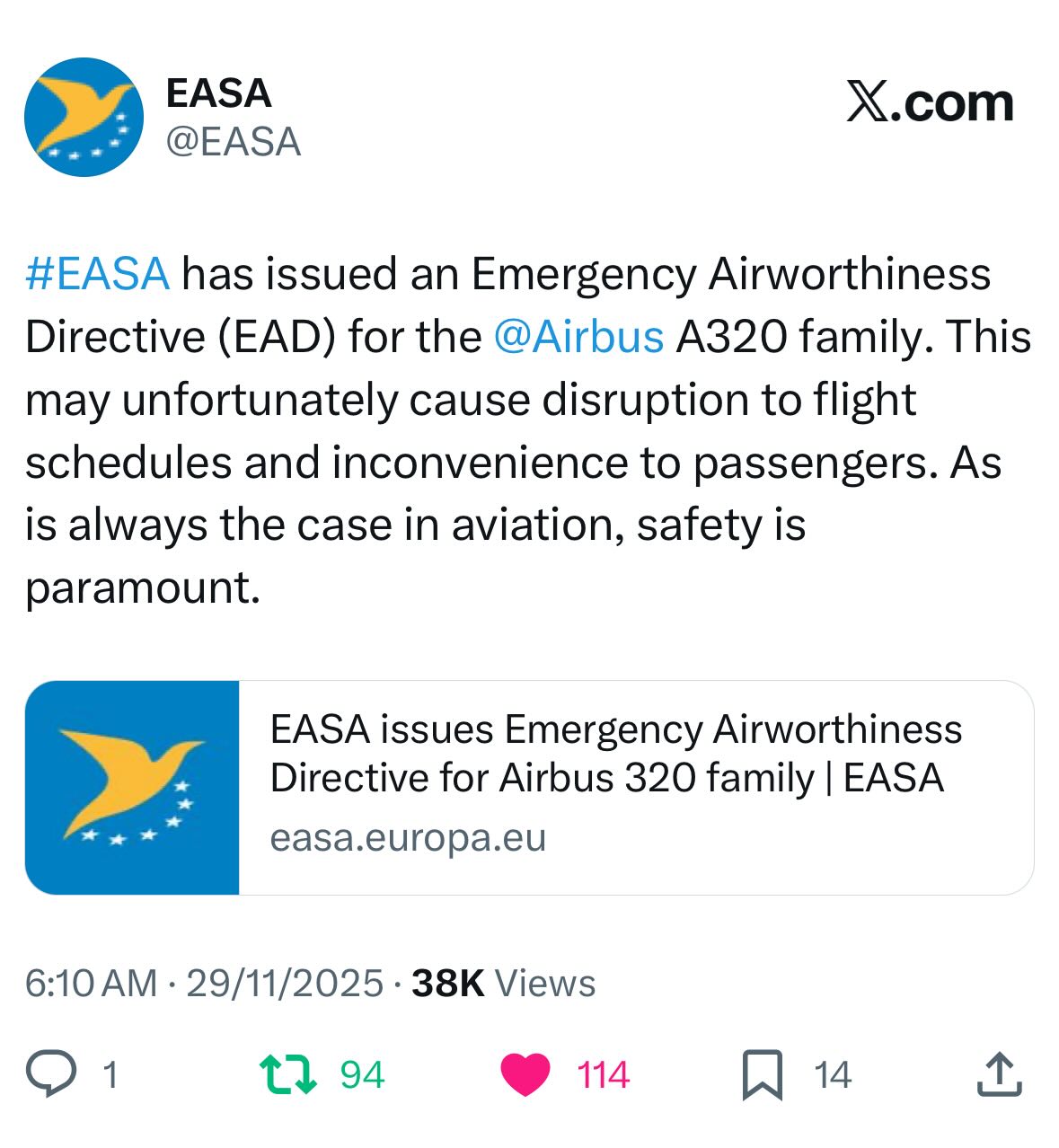
It all started on 29th November, when an Emergency Airworthiness Directive (AD) dropped from EASA. This directive followed an “Alert Operators Transmission” from Airbus themselves.
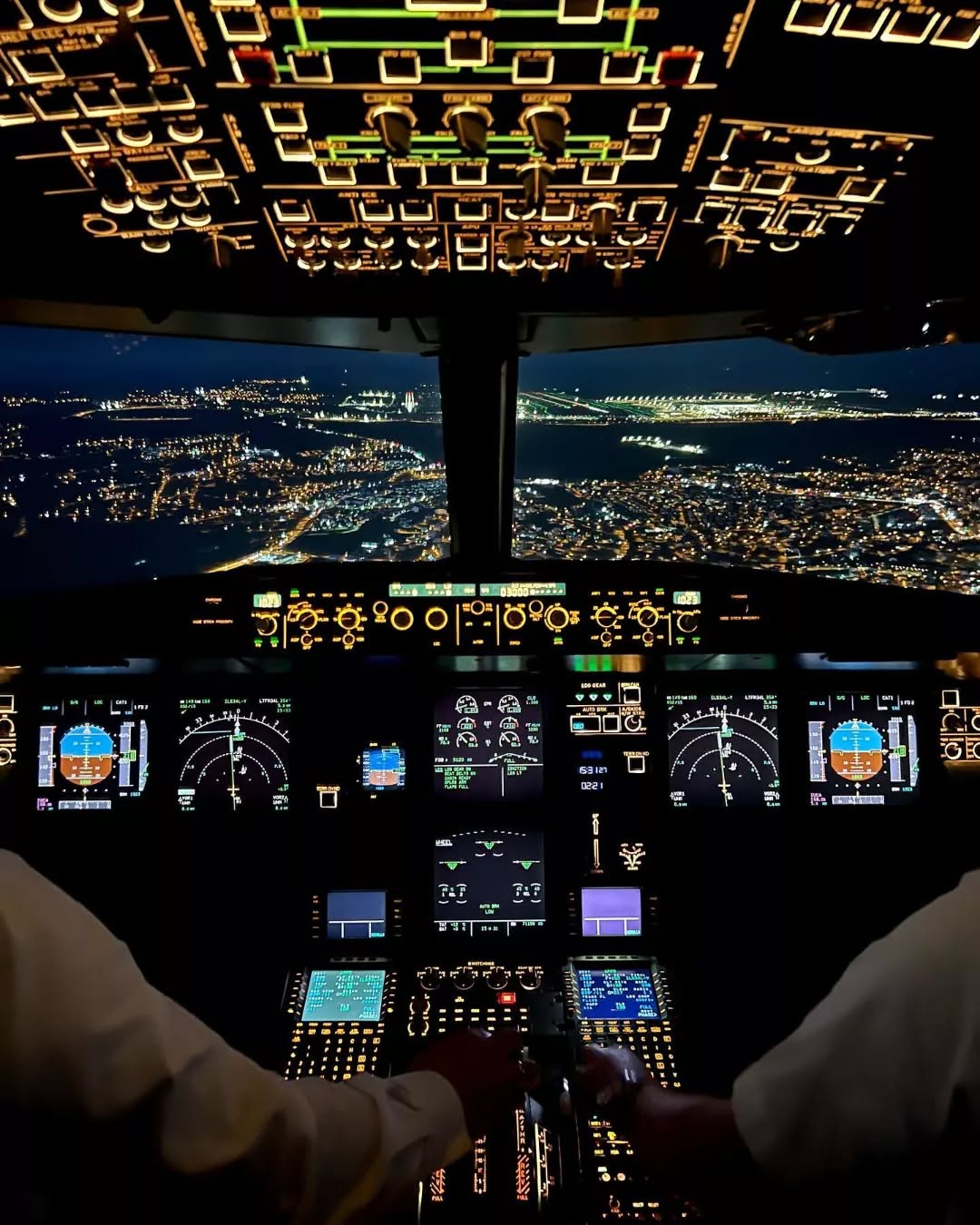
The issue? A potential software vulnerability in the Elevator Aileron Computer (ELAC) on the A320 family of aircraft.
In simple terms, it was discovered that intense solar radiation (yes, really) could corrupt critical flight control data. This specific glitch could, in a worst-case scenario, lead to an “uncommanded elevator movement”, basically, the plane pitching down without the pilot telling it to.
This directive was reportedly triggered by a recent incident involving a JetBlue flight in the US, where an A320 experienced a sudden, uncommanded pitch-down event. While the pilots regained control and landed safely, the investigation pointed to this specific data corruption issue in the flight control computer.
The Fix: A Massive Software Rollback
To fix this, airlines weren’t asked to install a new patch, but rather to perform a software rollback.
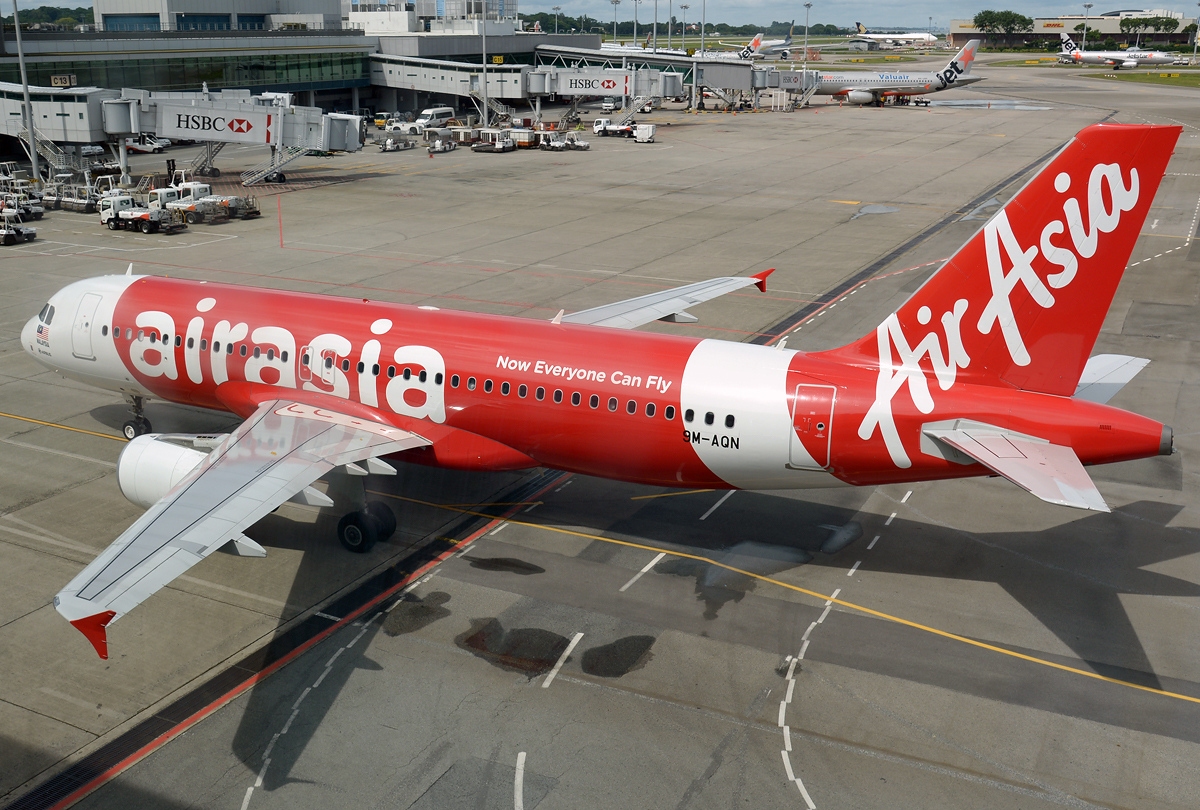
AirAsia activated its Business Continuity Plan immediately upon receiving the directive. The engineering teams, supported by Asia Digital Engineering (ADE), had to coordinate across Malaysia, Thailand, the Philippines, Indonesia, and Cambodia to perform this software fix on their operational A320 fleet.
According to AirAsia Aviation Group CEO Bo Lingam, the compliance work was completed within 24 hours.
“Safety is core to the trust that guests place in us, and our response was immediate and thorough in this regulator-mandated action. Thanks to meticulous planning and strong groupwide coordination from our engineering teams… compliance work for the aircraft was completed within 24 hours.” – Bo Lingam, Group CEO of AirAsia Aviation Group.
Operations Back to Normal
While there were some disruptions as planes were pulled aside for the update, AirAsia says their operations are now running as per usual.
It’s definitely a win for the engineering team, rolling back software on an entire fleet of commercial aircraft in a single day is no small feat. It’s basically the aviation equivalent of a critical Windows update, but with much higher stakes and way more paperwork.
For passengers, if you have a flight coming up, you can breathe a sigh of relief. As always, though, it’s good practice to check your flight status via the AirAsia MOVE app or their website just to be sure.
The EASA Emergency Directive Explained
-
The Directive: EASA Emergency Airworthiness Directive (AD) 2024-0043 (or related series).
-
The Aircraft: Airbus A320 Family (A319, A320, A321).
-
The Bug: Cosmic rays/Solar radiation causing “bit flips” or data corruption in the ELAC L104 unit (Elevator Aileron Computer).
-
The Symptom: The computer gets confused by the corrupted data and might push the aircraft’s nose down (pitch down) unexpectedly.
-
The Solution: Disabling the specific affected software version or reverting (rolling back) to a previous, stable version (ELAC L103+) that isn’t susceptible to this specific memory corruption error.