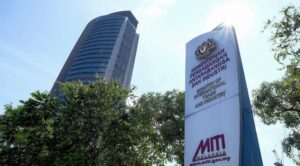
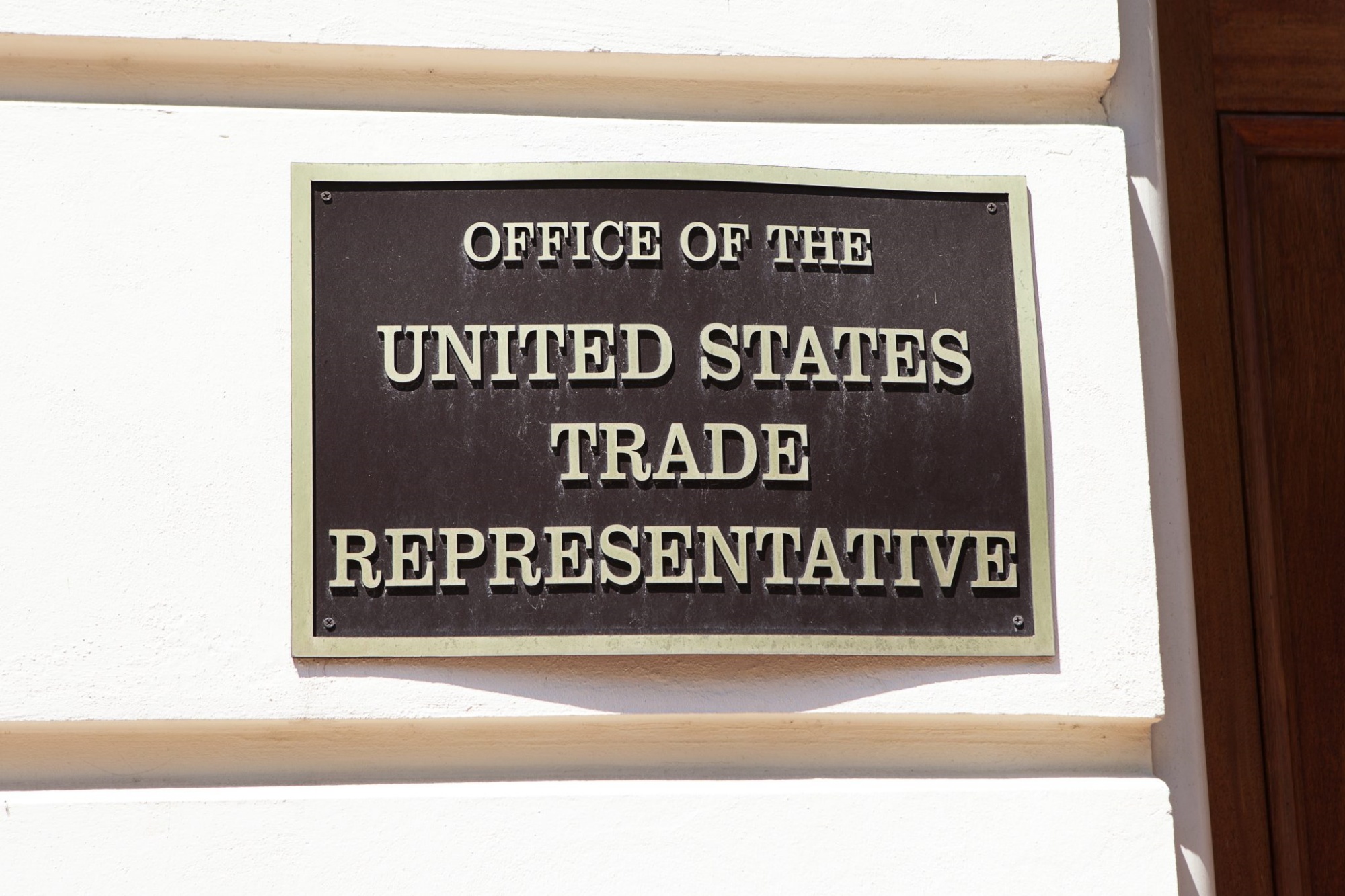
The Ministry of Investment, Trade and Industry (MITI) will explain to the United States allegations of structural excess manufacturing capacity and the use of forced labour, both of which fall under an investigation conducted under Section 301(b) of the Trade Act of 1974. Its minister, Johari Abdul Ghani, said the government will clarify the issues raised as part of the ongoing probe initiated by the Office of the United States Trade Representative (USTR).
The investigation began earlier this week and targets the acts, policies and practices of several economies, including Malaysia, over concerns about structural excess production in certain manufacturing sectors. The probe also scrutinises possible forced labour practices.
Speaking to reporters after a dialogue session in Kampung Baru yesterday evening, Johari said Malaysia’s excess production capacity does not necessarily mean the country dumps goods in export markets. He explained that authorities can assess the issue by comparing the price of goods sold domestically with export prices. If the prices are similar, Malaysian producers are not undercutting foreign markets.
He added that dumping typically occurs when producers sell goods cheaper overseas than in the country where they are produced. “For example, if the price in Malaysia is RM100 but we sell the product in another country for RM80 or RM90, that can create the perception that we are trying to undercut competitors in their market,” he said.
Johari also addressed allegations related to forced labour and said Malaysia enforces clear labour laws that protect workers and prevent exploitation. He explained that forced labour can include situations where employers hire workers without valid permits or pay them below the legally mandated minimum wage. National law also prohibits the employment of underage workers.
Johari added that Malaysia must ensure companies comply with labour regulations and employment standards. He said this helps prevent Malaysian exports from being linked to forced labour concerns in international trade.
(Source: The Edge Malaysia)