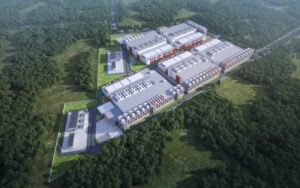
ZDATA, the China-based datacentre firm, officially released a statement, addressing the recent protests and claims of pollution generated by the construction of its hyperscale datacentre in the state of Johor.
As a quick primer, more than 50 demonstrators protested outside the site for the planned datacentre, located in the Gelang Patah district. The facility is reportedly located less than a kilometre away from residential homes.
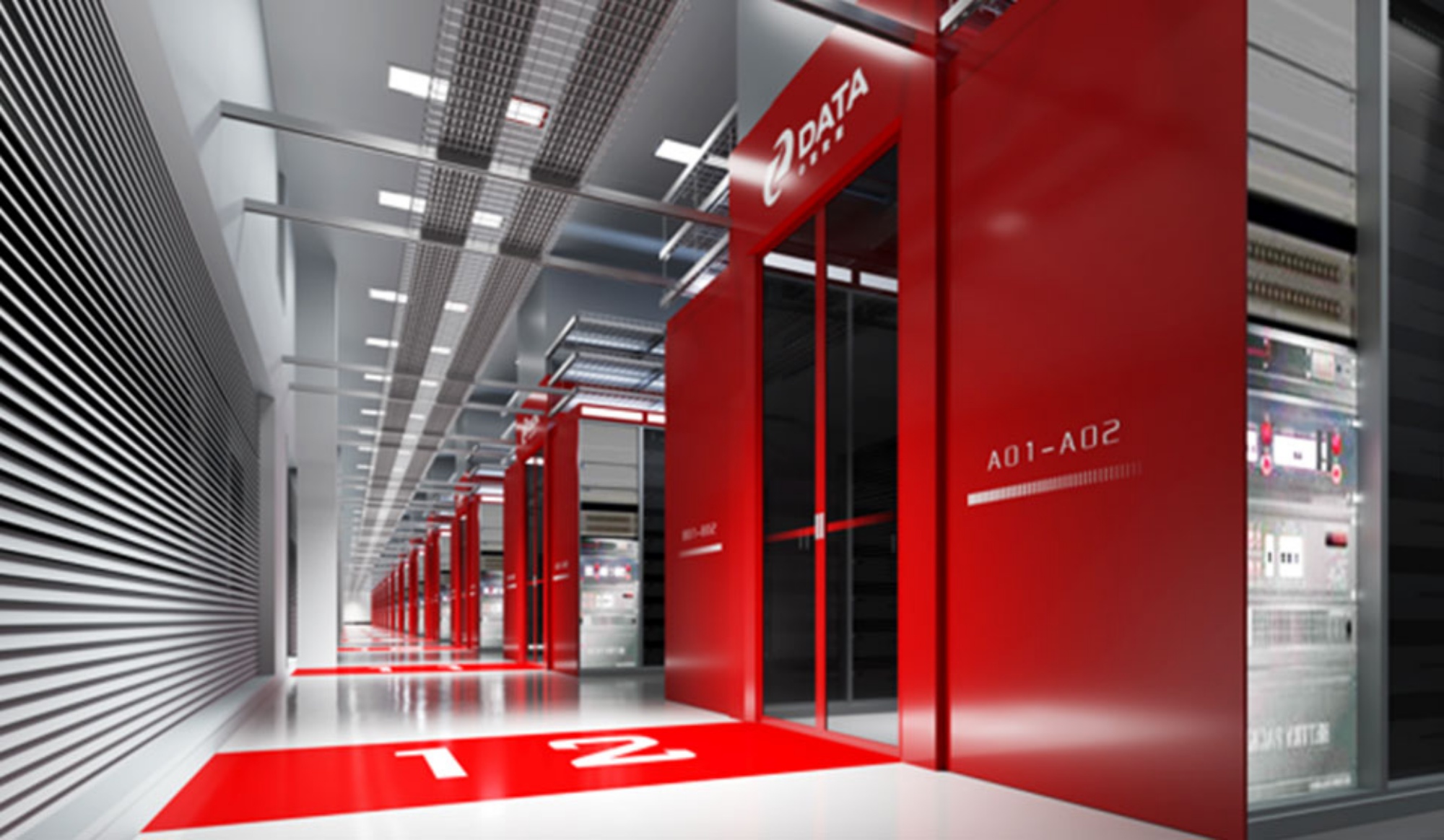
ZDATA claims that reports about it, and by extension, the construction site, are the source of dust pollution and potable water shortages was inaccurate, and that any such scenario was unlikely to have been generated from its end, and that ongoing developments happening at adjacent plots of land could have been the cause of the alleged pollution.
“We refer to recent news articles highlighting concerns from residents regarding the construction of a hyperscale data centre in Gelang Patah, Johor. We regret that these reports have inaccurately identified ZDATA Technologies Co.’s facility as the source of dust pollution and potential potable water shortages. It is important to clarify that there are currently minimal construction activities contributing to dust pollution taking place at ZDATA’s site. To date, ZDATA has developed 18 acres while awaiting handover of the remaining 20 acres from the master developer, Tropicana Firstwide Sdn Bhd.”
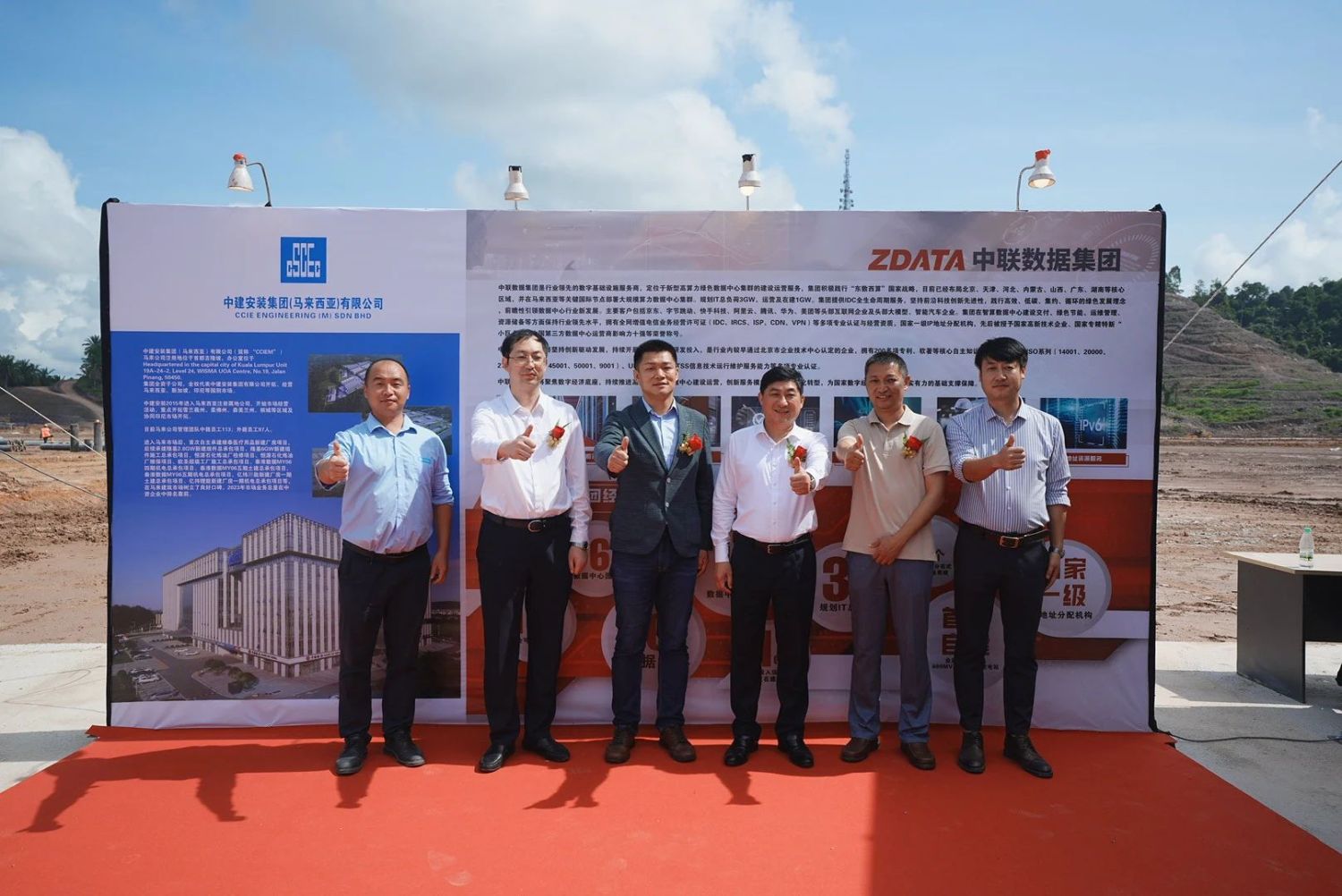
ZDATA explains that the construction of its AI datacentre will be done in four phases. Phase 1, it says, was completed earlier this month, on 4 February. Phase 2 is already partially complete, with the main building and infrastructure having been completed, and only “minor” jobs are left.
It is also giving assurances to residents living near the facility that Phase 3 and Phase 4 will only commence upon handover of the land from its owners, Tropicana Firstwide, and that the facility is designed to use alternative water sources like reclaimed water, and not draw from the state’s domestic water supply.
The Cost Of AI

ZDATA first came under the spotlight after a report from Bloomberg said that locals in the state of Johor were frustrated and claimed that construction dust made it impossible for them to maintain the cleanliness of their homes or breathe fresh air. The situation had gotten so bad that their air purifiers were indicating that the air quality was horrifying.
The company’s response also remains a little dubious, running contrary to what has happened; in 2025, the company was slapped with a two-week stop-work order, due to its poor construction standards.

And fears of water security within the area and the state of Johor isn’t unfounded either. Here’s the situation: datacentres, powerful as they are, require maintenance on a massive scale. Tier 1 and 2 datacentres require massive amounts of water, typically reaching 50 million litres on average daily, just to keep those servers and blades running cool.
In November last year, the state of Johor halted approvals for Tier 1 and 2 datacentres because of the water consumption issue. The move is also an indication of how it is embracing and managing the growth of digital infrastructure within state grounds. Rather than using a “blanket approval” approach, it’s now implementing stricter guidelines to protect local resources, prioritising “green” datacentres that utilise sustainable cooling technologies and renewable energy sources.
(Source: ZDATA PR)