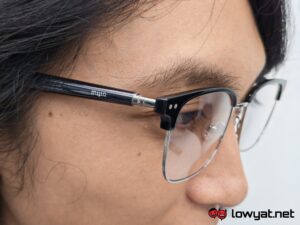
Xiaomi sub-brand Mijia deals in all manner of smart devices, and these Smart Audio Glasses fit right into its portfolio of gadgetry. While the idea of audio-focused smart glasses hasn’t quite gone mainstream yet (though not for the lack of trying), this is Mijia’s third attempt at the product.
On paper, glasses that double as an audio accessory sound pretty good, particularly for the bespectacled folks out there. Wearing headphones can be a battle of attrition as the ear cups pushing against your glasses, can make for an unpleasant experience. And some people may not enjoy plugging their ears with earbuds. So, sticking a set of speakers in eyewear sounds like an acceptable solution. As to how it actually stacks up in reality? Well, let’s just say it remains as impractical as ever.
What Am I Looking At?
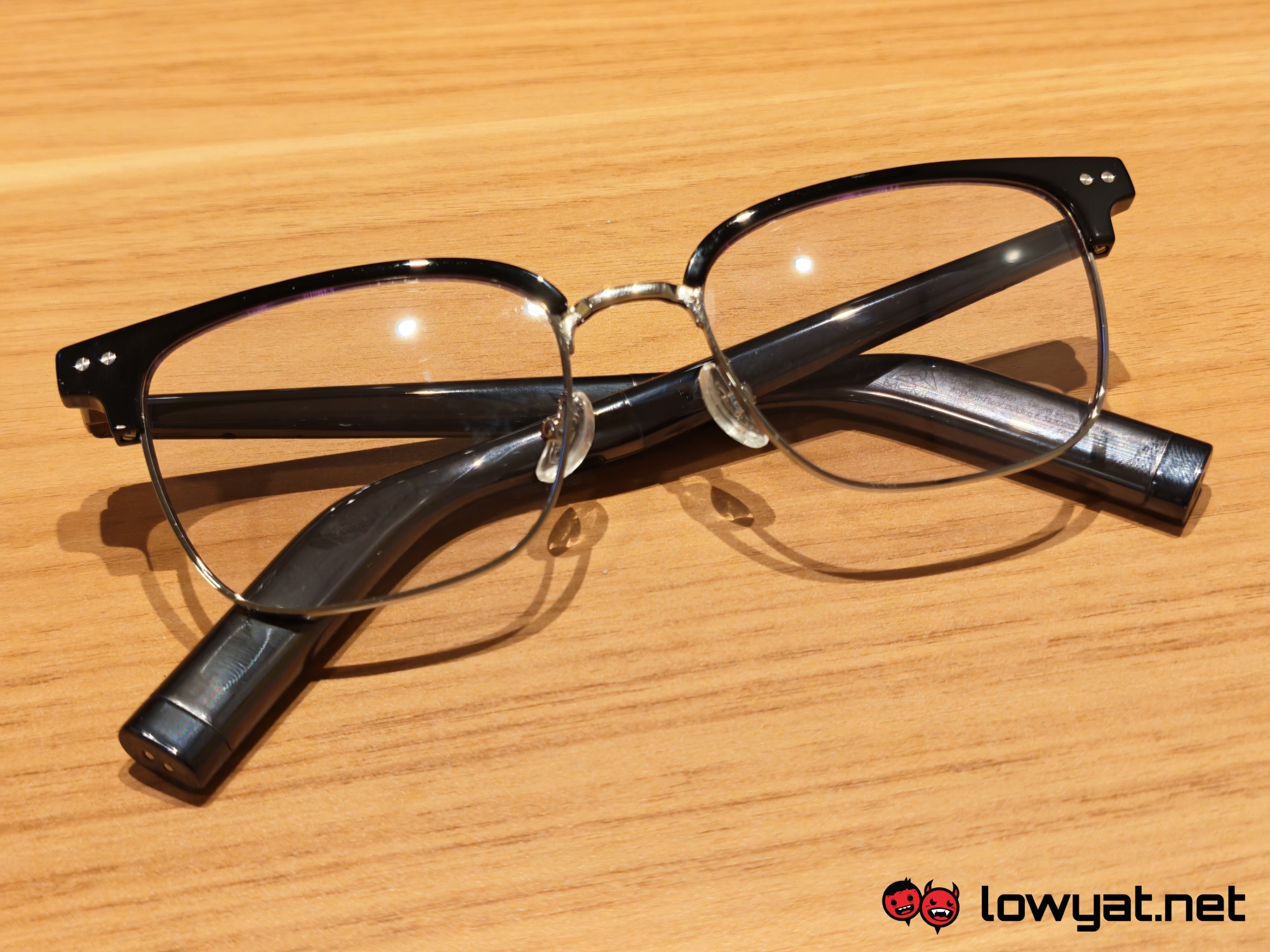
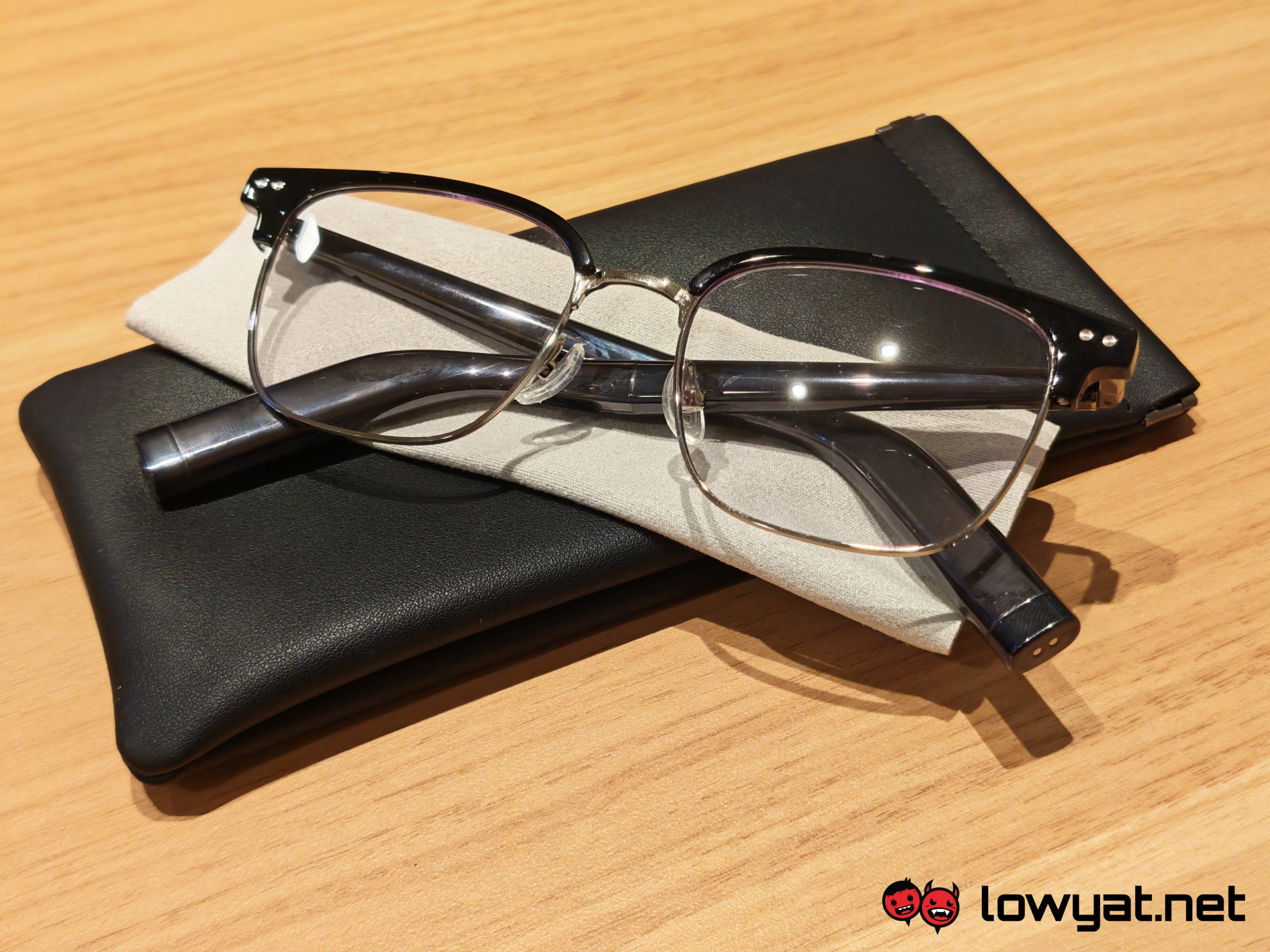
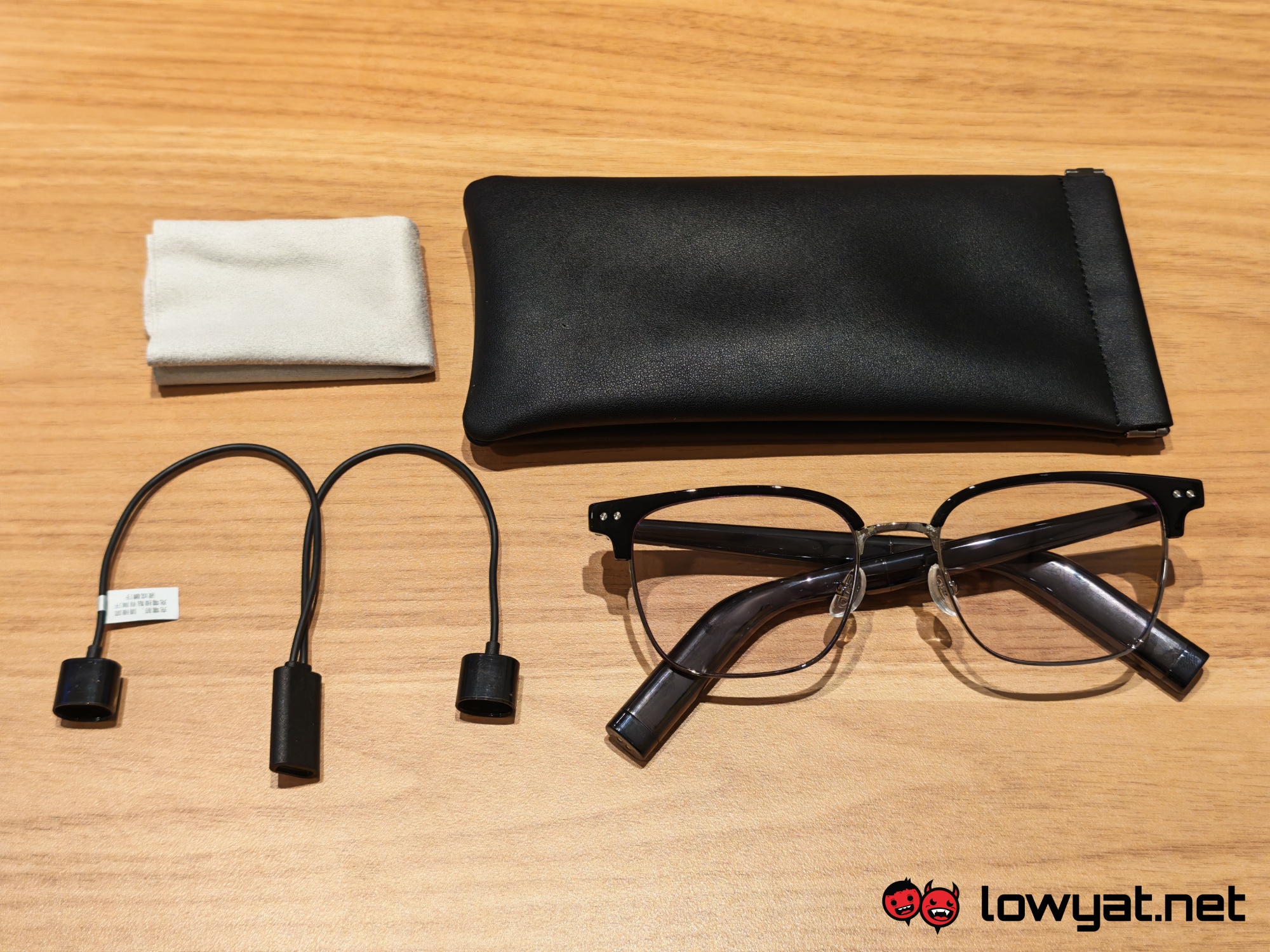 The Mijia Smart Audio Glasses are a pretty straightforward product. You get a pair of spectacles that do look fairly normal, all things considered. This Browline frame gets clear lenses with blue light filters. If you’re not a fan of this particular look, there’s also the Titanium model. And for those seeking some flair, the Pilot-Style frame is a pair with UV400-tinted lenses. Minor distinctions aside, the models pack the same internals. They can also be fitted with prescription lenses if need be.
At this point in time, consumer technology hasn’t quite advanced enough for these glasses to appear totally discreet. The temples are noticeably chunky, as that’s where all the innards are packed into. They’re also pretty shiny, which always means they’ll pick up quite the collection of smudges in no time.
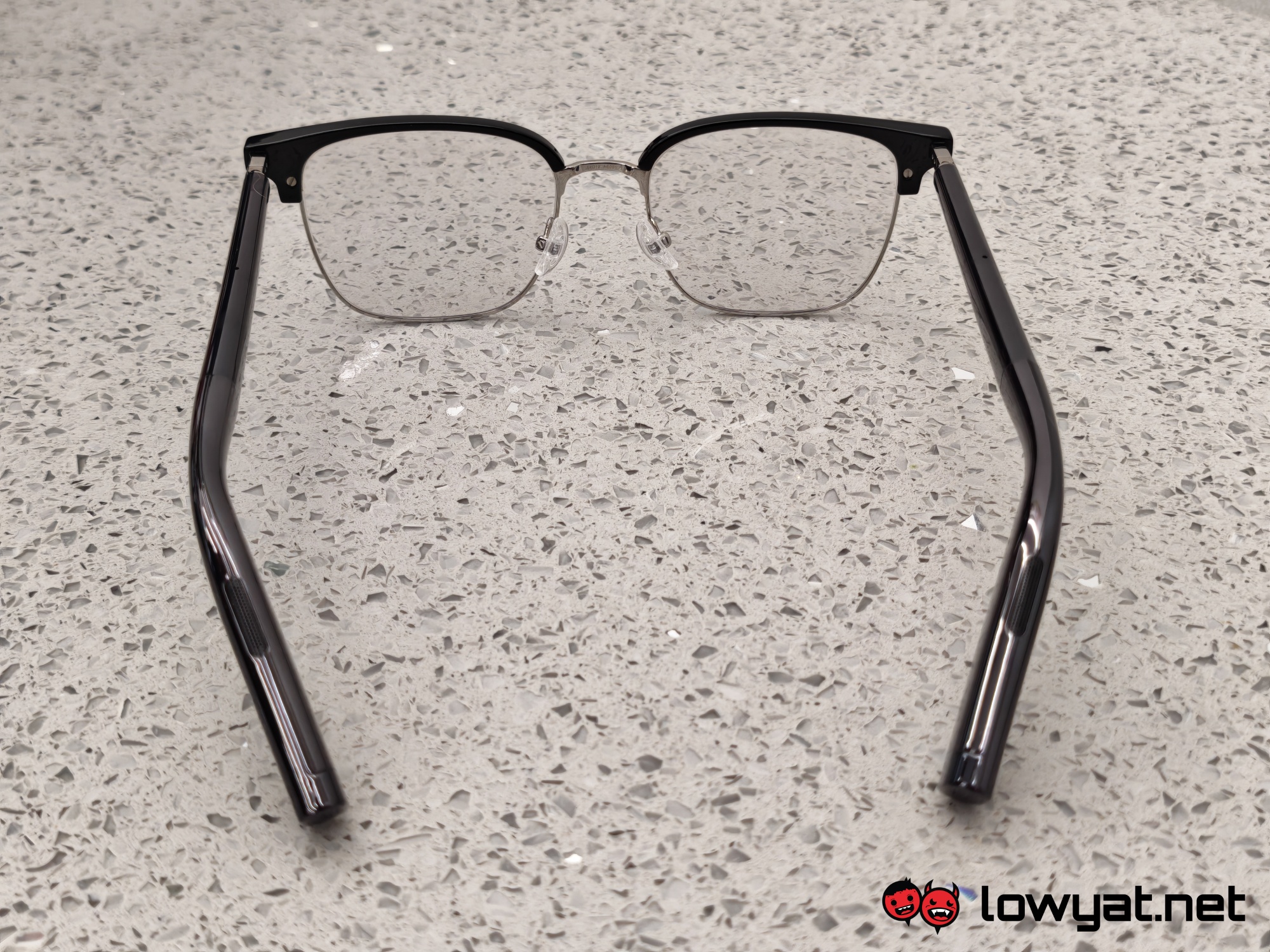
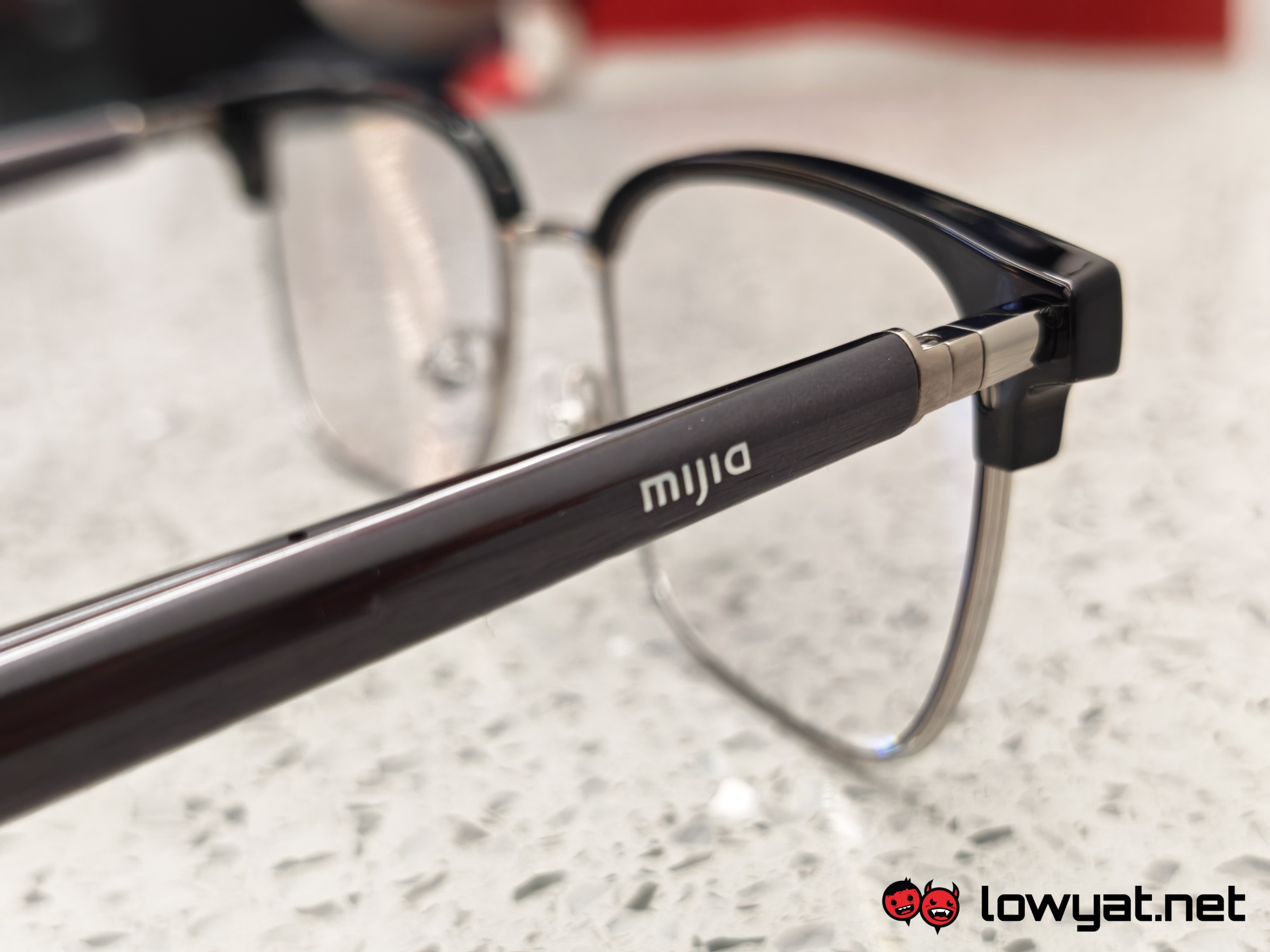
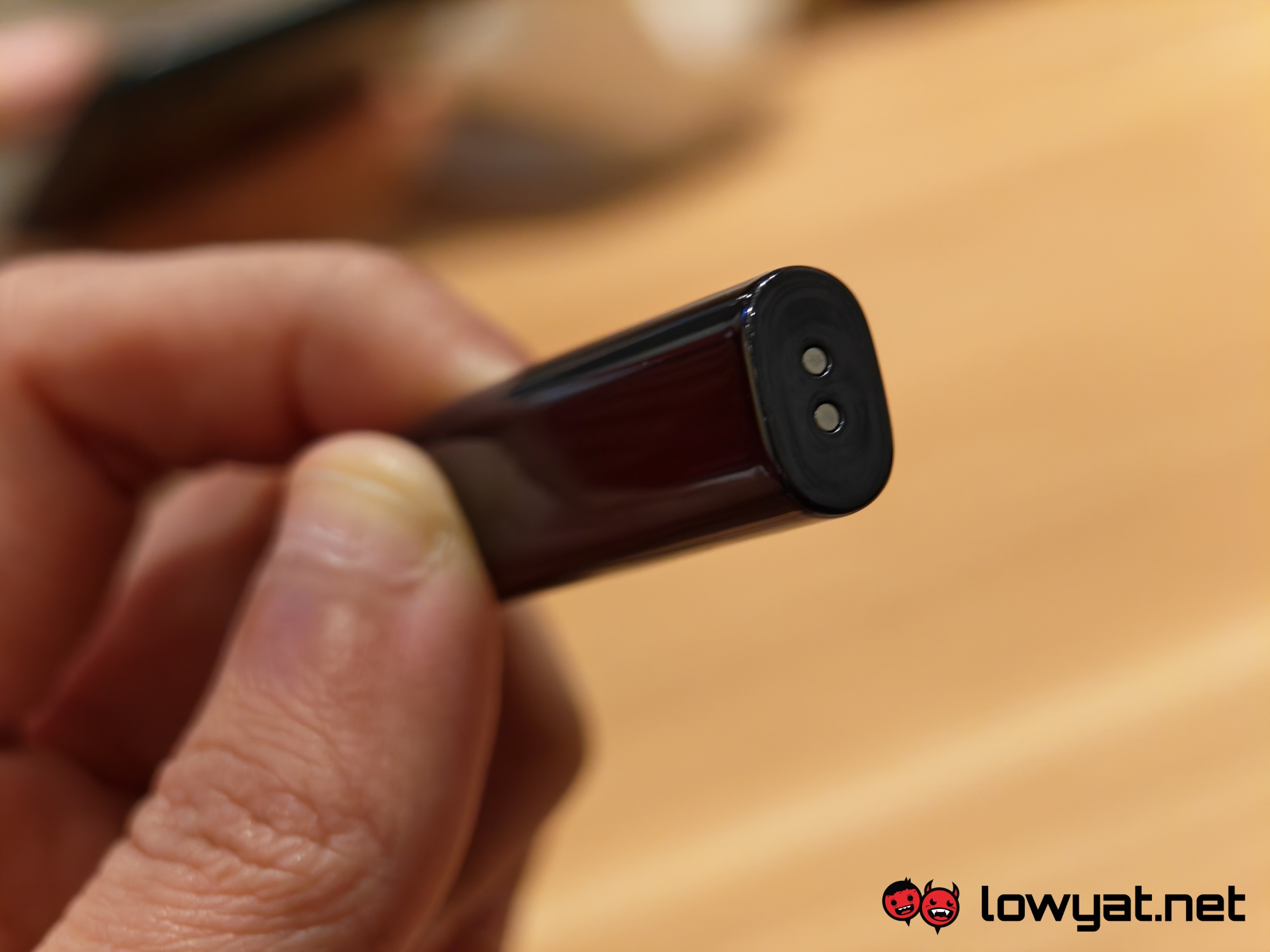 Anyway, the temples house the speakers and batteries, with the charging pins situated at the end. And speaking of charging, the glasses use an adapter that slots into a USB-C cable. This adapter comes in the box, but you’ll have to source your own charging brick and cable. Beyond that, the glasses come with a cleaning cloth and a carrying case.
Of course, you will need to download a companion app if you want access to some of the features. In this case, it’s the Xiaomi Glasses app. Here, you can customise the controls, as well as manage connected devices and recordings.
What’s Good About It?
 The touch controls on the temples are, for the most part, pretty straightforward and intuitive. Double-tapping either the left or right arm starts and pauses playback. The same action is used for answering and ending calls. Tapping and holding start or stop recording. Meanwhile, sliding the right temple adjusts the volume. Doing the same on the left side lets you switch between tracks. The controls themselves are pretty responsive, making for an overall smooth experience.
Much like open-ear earbuds, the glasses let you stay aware of your surroundings. This is useful if you have colleagues who enjoy spooking you while you’re trying to focus on work. The sound is also decent, although nowhere near audiophile quality. As with any other audio smart glasses, the mids and highs are more defined than the lows. Nine Inch Nails’ Into The Void, for instance, doesn’t quite pack the punch it needs to.
 Moreover, the battery life is arguably one of the major highlights. Xiaomi claims that the glasses can last a maximum of 13 hours on a single charge, and I’d say that number is pretty accurate. Of course, this is with the audio playing at around 40% volume. That said, you wouldn’t really want to go any louder under normal circumstances, for a reason I will get into soon. Other than that, the glasses are fairly quick to charge, going from empty to full in about an hour.
What’s The Catch?
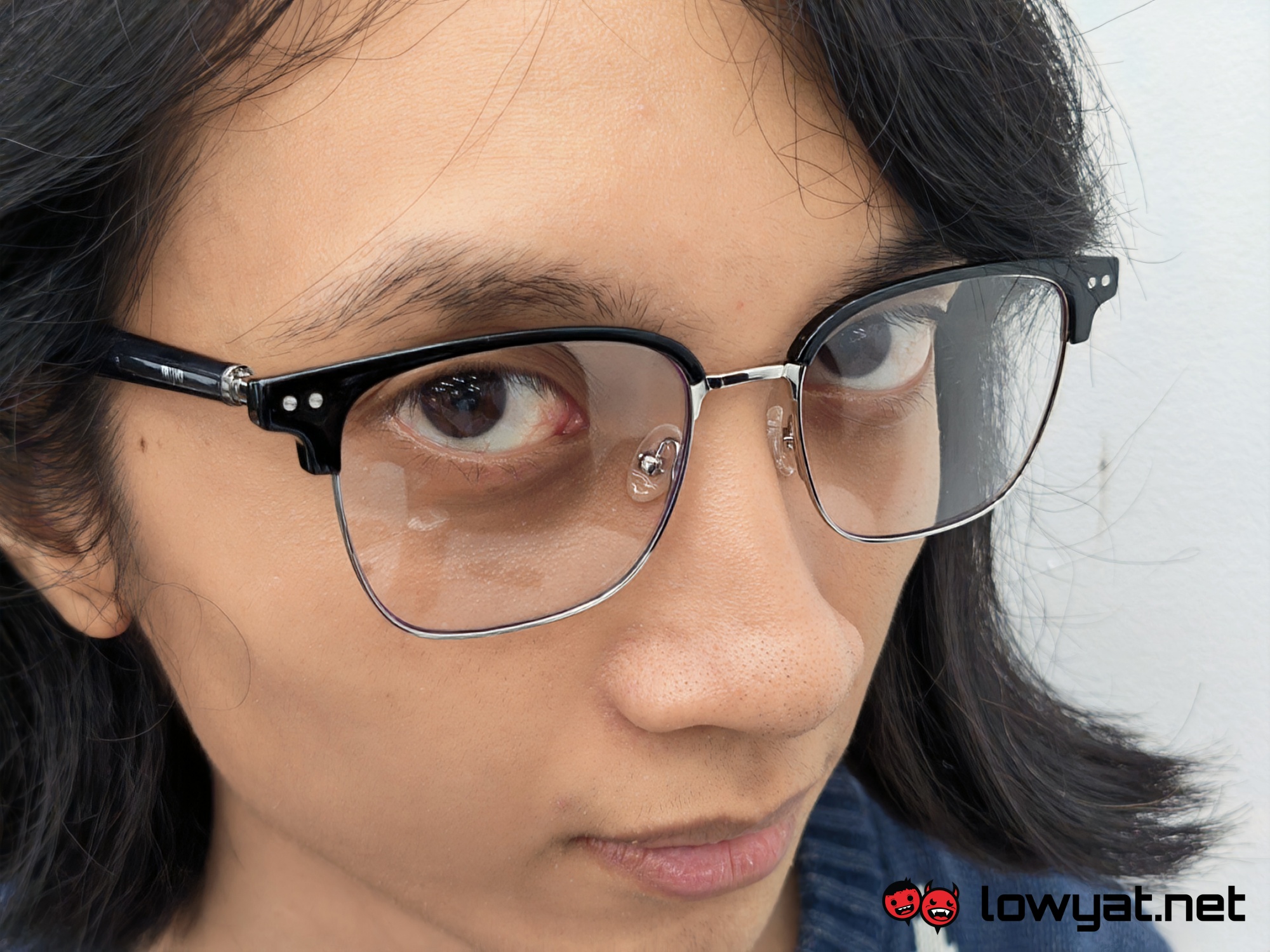 If the bulk doesn’t make it obvious already, the glasses are heavy, and you will notice that weight after a while. I would go so far to say that they do get pretty uncomfortable to have on for extended periods, so it only makes sense to have them on in short bursts.
Some sound leakage is to be expected with audio products that have an open design. However, these glasses are particularly leaky, especially when you turn the volume up. And you may want to do so, since the open design makes it hard to hear the audio when you’re in a noisier environment. So, like it or not, your immediate neighbours will be privy to what you’re listening to. For what it’s worth, you don’t really need to play your tunes at a high volume. Somewhere around the 40% range is ideal for me.
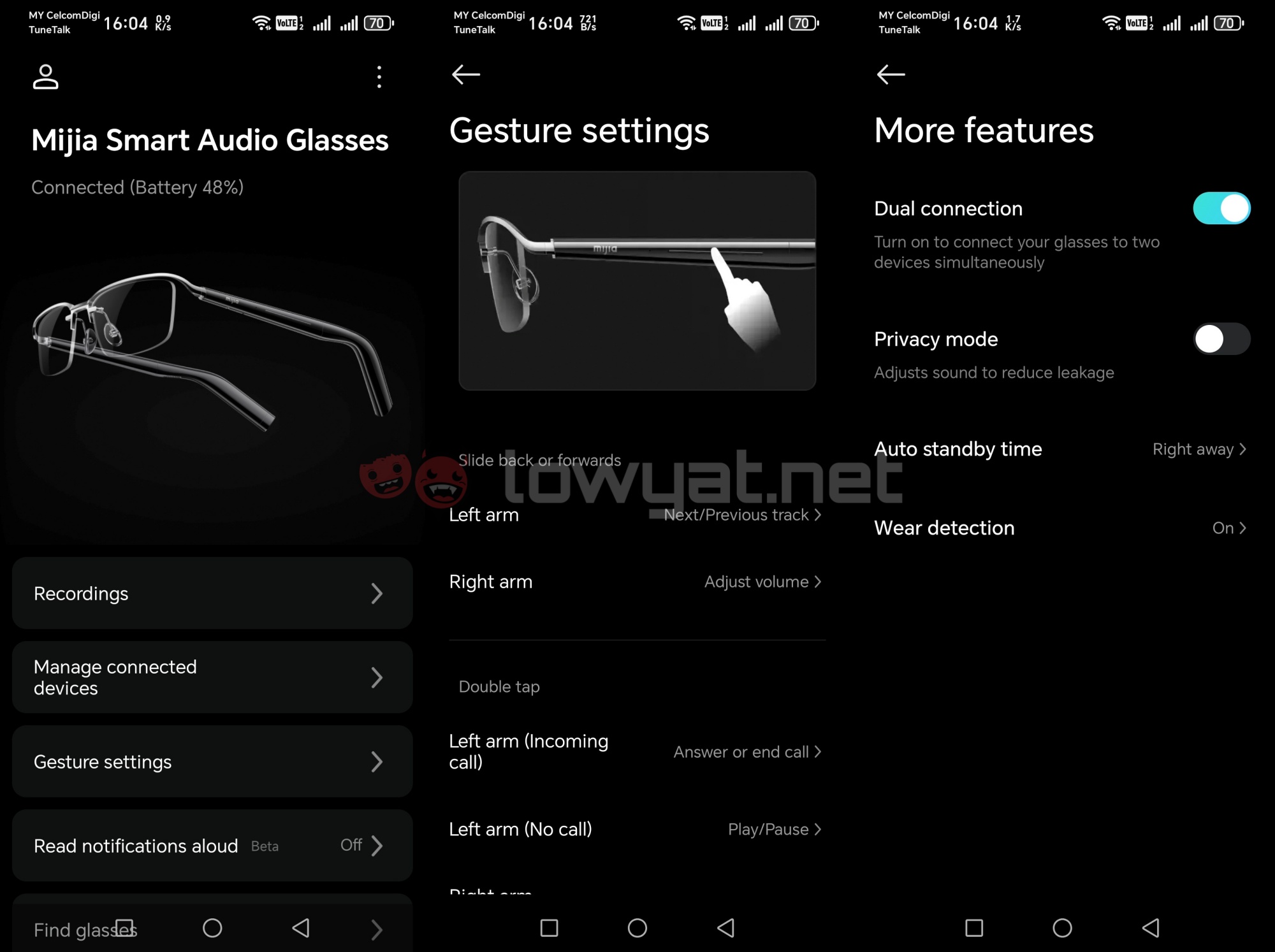 Of course, the app does offer a Privacy Mode, which supposedly adjusts the sound to reduce leakage. In practice, it just muffles the audio. This ultimately leaves you feeling like you’re listening to music underwater, or with a pillow smothering the speakers.
Should I Buy It?
 Much as I wanted to like the Mijia Smart Audio Glasses, there are quite a few drawbacks. Granted, these are mostly the inherent limitations of such a product to begin with. And arguably, many brands have yet to figure out a reliable way to get around said limitations. Either way, these glasses do seem to be a decent attempt at making it work, even if they end up feeling pretty awkward.
With a RM799 starting price, the glasses are competing with other audio products like earbuds and headphones, which can arguably offer more. At the end of the day, these spectacles are only a worthwhile purchase if you also care about the fashion aspect.